
Finding a bat can be a surprising and concerning experience. If you encounter a bat, knowing what to do next is crucial. Always avoid touching the bat with your bare hands, as they can carry rabies and other diseases. Instead, take a step back and assess the situation calmly.

If the bat seems injured or in distress, it’s best to contact a wildlife rehabilitator for help. They are trained to handle situations like this and can provide the care that the bat needs. Remember, it’s important not to try to rehabilitate the bat yourself, as this could endanger both you and the animal.
For those living in areas with bats, it’s helpful to learn more about their habits and roles in the ecosystem. By understanding bats, you can appreciate their value while ensuring the safety of your family and pets. If you do find a bat, having a plan can make all the difference.
Assessing the Situation
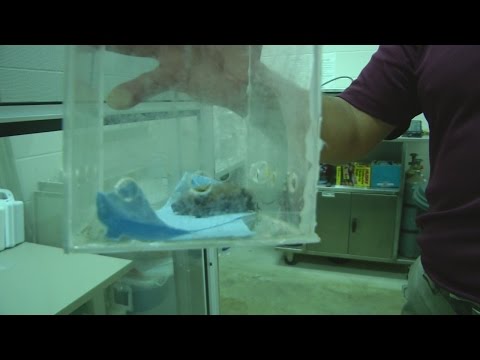
When you encounter a bat, it’s crucial to quickly assess its condition. Knowing if the bat is injured or in distress can help you decide what to do next. Additionally, understanding the risks associated with bats, including diseases like rabies, is important for your safety.
Determining If the Bat Is Injured or in Distress
First, observe the bat from a safe distance. Look for signs of injury, such as bleeding, missing limbs, or inability to fly. If the bat is on the ground, it may need your help.
If it seems calm and hangs onto a tree or wall, it might just be resting. Avoid touching the bat without gloves, as this protects you from potential bites. If you suspect it is injured, take care to gently cover it with a box or a container to prevent further stress.
Always remember, if the bat shows signs of distress, you may need to take action. Contact a local wildlife rescue or rehabilitation center for guidance on how to handle the situation.
Risks of Rabies and Other Diseases
While most bats are healthy, some can carry diseases like rabies. Rabies can be transmitted through bites or scratches, making caution essential. Always wear gloves when handling a bat to protect yourself.
If you get bitten or scratched, wash the area thoroughly and seek medical attention right away. It’s also wise to monitor the bat’s behavior. If it seems disoriented or aggressive, it might be best to keep your distance.
Take note of any potential rabies exposure. If you have pets, keep them away from the bat. By being careful, you can enjoy your experience with this fascinating creature while staying safe.
Safe Capture and Containment

When you find a bat, it’s important to handle the situation carefully. Capturing and containing a bat safely protects both you and the animal. This section covers essential preparation, techniques for capturing the bat, and secure containment methods for transportation.
Preparation and Protective Measures
Before attempting to capture a bat, take certain precautions. First, wear thick gloves to protect your hands. This keeps you safe from potential bites. Bats can carry rabies, so it’s crucial to avoid direct contact.
Prepare a capture container, like a sturdy box or a plastic bag. Ensure there are air holes so the bat can breathe. Gather some cardboard for sliding under the container. This helps minimize stress on the bat during the capture.
Finally, ensure your environment is quiet and calm. If needed, turn off lights to encourage the bat to settle down. This makes your capture easier.
Techniques for Capturing a Bat
Start the capture process when the bat is resting or hanging. Approach slowly to avoid startling it. Use your container to cover the bat carefully. Once covered, gently slide a piece of cardboard under the container.
It’s important to keep your movements slow and steady. If the bat tries to escape, remain calm and avoid sudden actions. You can also encourage the bat to move into the container by offering a quiet, dark space.
Remember, never touch the bat with bare hands. This protects both you and the bat from injury and disease.
Secure Containment for Transportation
After capturing the bat, secure it in the container. If using a plastic bag, make sure it is large enough. This prevents the bat from feeling trapped and reduces stress.
Place the container in a warm, dark area during transportation. This environment helps keep the bat calm. Do not forget to ensure ventilation. Bats need air, so check for holes.
When you arrive at a wildlife rehabilitation center, inform them about the capture. This way, they can provide appropriate care. Always follow their instructions for the best outcome for the bat.
Next Steps After Capture

Once you have safely captured the bat, it’s important to take the right actions to ensure both your safety and the well-being of the bat. You’ll want to contact the right services and know whether rabies testing is necessary.
Contacting Local Wildlife Services
Your first step should be to reach out to local wildlife services. This could be a wildlife rehabilitator, animal control, or your state wildlife agency. They can provide you with the best guidance on what to do next.
Make sure you explain the situation clearly. Mention how the bat was found, whether it appears sick or injured, and if it has been in contact with pets or humans. Most organizations have protocols to ensure the bat is handled safely and humanely.
Keep contact information handy to avoid delays. Services may also offer to send someone to pick up the bat from your location. This can help minimize any stress for both you and the bat.
Determining the Need for Rabies Testing
It’s key to consider whether rabies testing is needed. If the bat has bitten or scratched someone or a pet, it’s important to consult with local animal control or a healthcare provider.
Bats can carry rabies, and early contact is crucial for appropriate care. A wildlife expert will help assess if the bat should be tested. Don’t handle the bat with bare hands. Use gloves or a container to keep it safe.
If the bat appears sick or unusually calm, those are red flags. Contact wildlife specialists about the symptoms you observed. This ensures you take the necessary steps to keep your household safe.
Health Precautions and Rehabilitation

When you encounter a bat, it’s essential to understand the health precautions you should take and how to ensure the bat receives proper care. Knowing when to seek medical attention and how wildlife rehabilitators can help is crucial.
When to Seek Medical Attention for Rabies Exposure
If you are bitten or scratched by a bat, you must seek medical attention immediately. Rabies is a serious viral disease that can be fatal if not treated.
Make sure to inform the medical professional about the incident. They may recommend a rabies vaccination series. The treatment includes:
- A rabies immune globulin shot
- A series of rabies vaccines
Even if the bat seems healthy, it’s better to be cautious. Remember that any contact with bats should be treated seriously, as rabies can be transmitted through bites or saliva.
The Role of Wildlife Rehabilitators
Wildlife rehabilitators are trained professionals who can help injured or sick bats. If you find an injured bat, do not attempt to take care of it yourself.
Instead, reach out to a licensed rehabilitator. They have the knowledge and resources to provide the right care.
You can often find a rehabilitator through local wildlife organizations or websites dedicated to bat conservation.
A good rehabilitator will assess the bat’s condition, provide necessary treatments, and help release it back into the wild when it is ready. This ensures both your safety and the bat’s well-being.


