
Bats are fascinating creatures that can be found in many parts of the world. Their activity levels vary significantly throughout the year, with different behaviors linked to the changing seasons. Bats are most active during late spring and summer, when they emerge from hibernation to feed and roost.
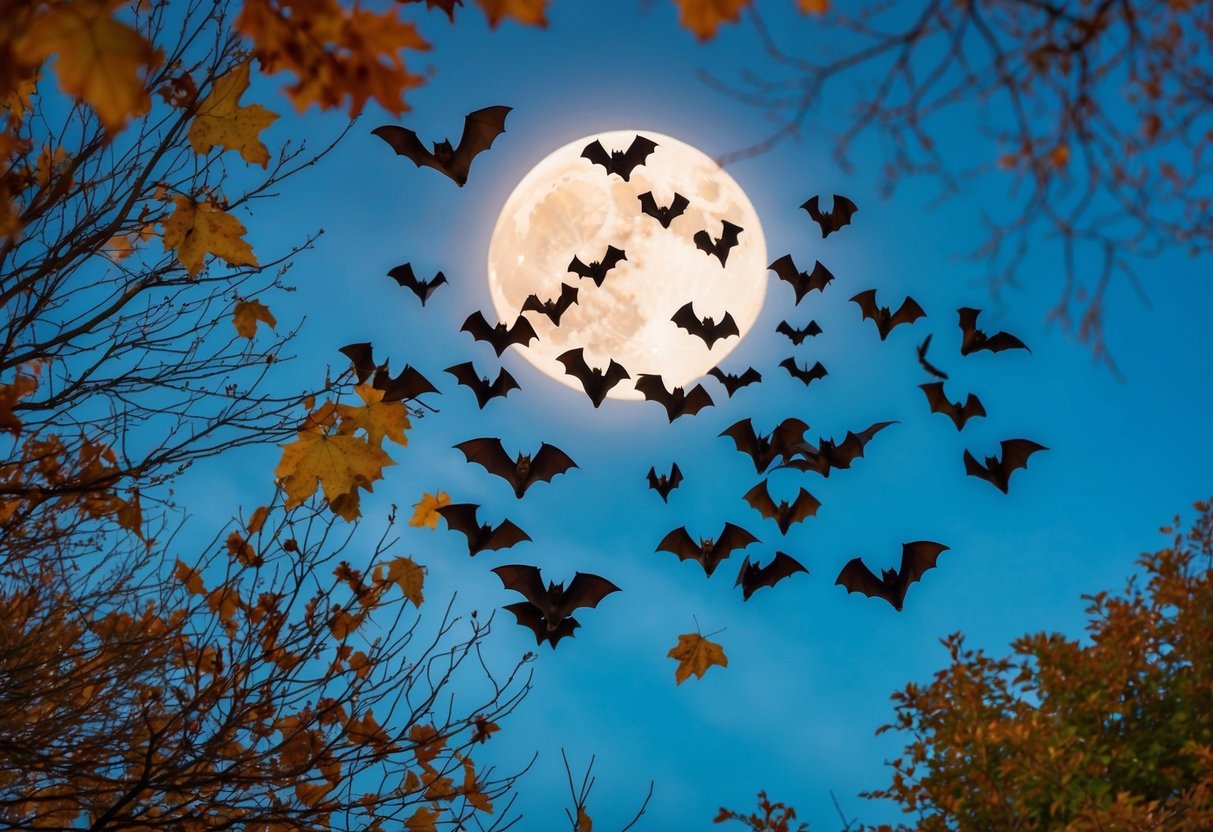
During these warmer months, you may notice bats flying around in the evenings, searching for insects. This is the peak of their feeding and mating season. As autumn approaches, bat activity begins to decrease as they prepare for hibernation. Understanding these patterns can help you appreciate the important role bats play in our ecosystem, particularly in insect control.
If you’ve ever wondered where bats go during the colder months, they often seek out roosting sites to hibernate until spring returns. Exploring their behavior throughout the year can deepen your appreciation of these unique animals and the natural world around you.
Bat Activity Throughout the Year

Bats show different behaviors based on the seasons. From hibernation habits in winter to caring for their young in summer, these patterns are vital for their survival. Let’s explore how bats manage their activities throughout the year.
Hibernation and Torpor
During the winter months, many bat species enter a state called hibernation. They find safe, cool areas like caves or hollow trees to avoid harsh weather. While hibernating, bats lower their body temperature and heart rate, which helps them conserve energy.
Some bats can also go into a lighter state called torpor. This means they become inactive for short periods, allowing them to conserve fat reserves. They may wake up occasionally to feed on any insects they can find. Hibernation helps bats survive the cold when food is scarce.
Maternity and Pup Rearing
In spring and early summer, bats focus on raising their young. Female bats gather in special groups called maternity colonies to give birth and care for their pups. Typically, a mother bat has one pup each season.
After pups are born, they depend on their mothers for food and warmth. Mothers nurse their young for about four weeks. During this time, the pups grow quickly, developing strength to fly and hunt for themselves. By late summer, they start becoming more independent as they learn to forage.
Foraging and Feeding Patterns
As bats emerge from their winter rest, they become active at dusk to find food. They rely on their excellent echolocation to catch insects in flight. Common prey includes moths, beetles, and other small insects.
Bats can consume a large number of insects each night, helping control pest populations. They usually feed in areas with plenty of insects, like around water sources or in gardens. With their high metabolism, fat stores accumulated during the warmer months allow them to thrive as they hunt.
Habitats and Roosting Behavior
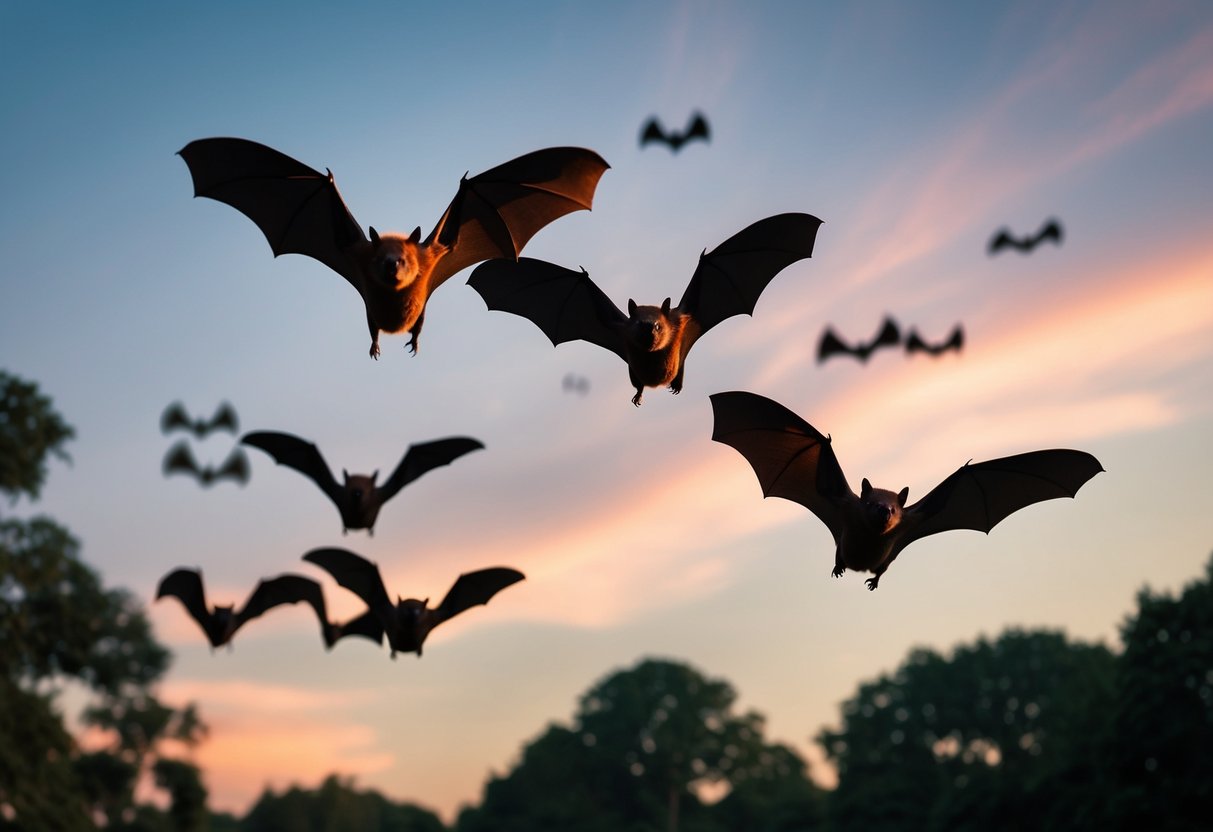
Bats have unique habits and preferences when it comes to choosing their roosting sites. Understanding where these creatures like to rest can help you appreciate their role in the ecosystem and the challenges they face. Let’s explore some important aspects of their habitats.
Natural Roosting Sites
Bats thrive in natural environments that offer safe and warm places to roost. Common natural roosting sites include caves, old trees, and rock crevices. Caves provide protection from predators and harsh weather.
Old trees with cavities are also popular as they offer ideal shelter and a stable microclimate. Many bat species, like the Little Brown Bat, prefer these natural spaces. Finding these natural roosts is essential for maintaining healthy bat populations in your area.
Urban Roosting Challenges
As urban areas expand, bats face challenges in finding suitable roosting sites. Disused buildings can provide shelter, but these structures also come with risks. They might be unsafe or poorly maintained.
In cities, bats often roost in attics, roofs, and even walls, which can lead to conflicts with people. If you find bats in these places, it’s essential to consider wildlife removal or bat exclusion methods to ensure their safety. Understanding these challenges helps in managing bat populations effectively in urban settings.
Roost Conservation
Conserving bat roosts is crucial for their survival. Protecting natural habitats and creating bat-friendly environments can encourage bats to thrive. You can help by planting native trees, preserving old buildings, and minimizing disturbances to known roost sites.
Engaging in local wildlife management programs will support bat conservation efforts in your area. Simple actions, like educating others about bats and encouraging sensible landscaping, make a big difference. Consider participating in local initiatives that focus on protecting bat roosts and ensuring their long-term habitat needs are met.
Human-Bat Interactions
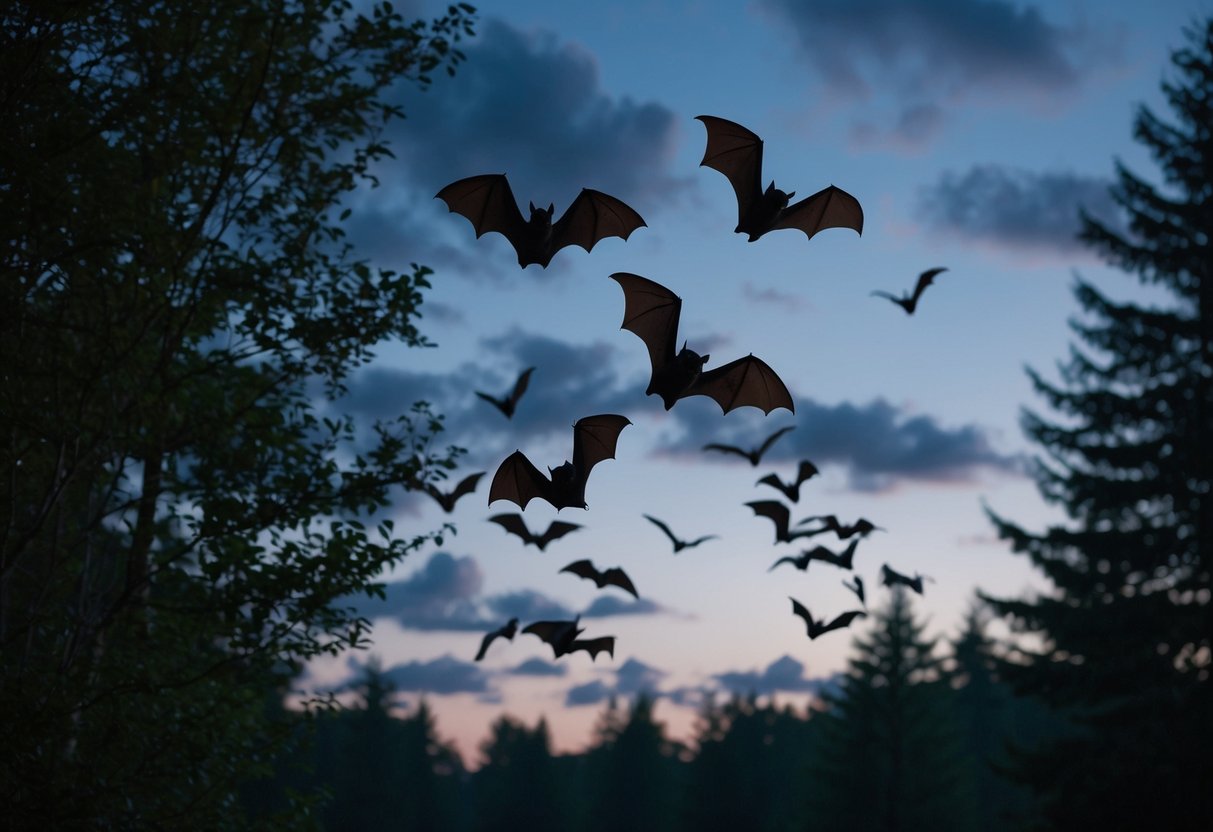
Bats play an important role in nature and can affect human life in various ways. Understanding these interactions helps you appreciate their benefits and manage any concerns about infestations.
Benefits of Bats in Ecosystems
Bats are excellent for insect control. As nocturnal animals, they consume large quantities of pests such as moths, beetles, and mosquitoes. A single bat can eat over half its body weight in insects each night, making them crucial allies in pest control.
In addition to eating insects, certain bat species act as pollinators. They visit flowers to sip nectar, helping plants reproduce. This benefits crops and plants, contributing to biodiversity.
Bats also contribute to nutrient cycles through their droppings, known as guano. Bat guano is rich in nitrogen and can be an excellent fertilizer for gardens and farms.
Bat Infestations and Removal
While bats are beneficial, they can sometimes invade human spaces, leading to bat infestations. These often occur in attics or other dark spaces. Bats can carry diseases, such as rabies, making it important to manage these situations carefully.
If you have a bat infestation, contact a pest control professional. They can assess the situation safely and remove the bats without harming them. Using exclusion methods ensures bats can exit without returning.
Always avoid trying to handle bats on your own. Their echolocation abilities help them navigate, but their presence in your home can create a challenge. Bat removal experts understand their behavior and can help you regain your space peacefully.


