
Many people wonder about the habits of bats, especially where they choose to roost year after year. Bats generally do not nest in the same exact spot every year, though some may return to similar areas. This means that while they might have favorite spots, there’s no guarantee they’ll return to the same location.
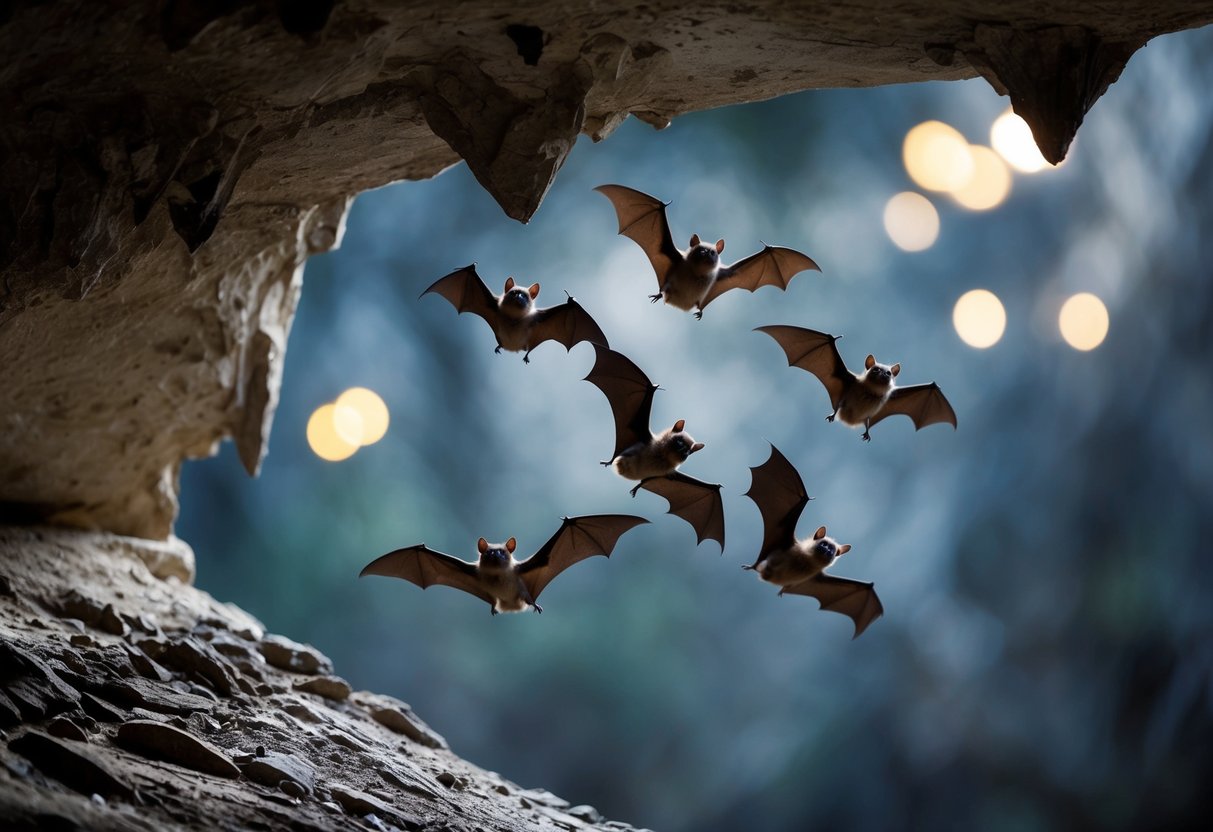
Understanding bat behavior can be both fascinating and beneficial. Knowing where they tend to roost can help you prevent unwanted visits in your home. It’s also good to learn how things like habitat loss and climate change can impact their choices.
Dive into this topic to uncover the truth about how bats live and why their nesting habits might vary. You may discover some surprising facts along the way!
Understanding Bat Roosting Behavior

Bat roosting behavior involves how these nocturnal creatures choose their resting spots. Roosts can be found in various locations, and understanding their preferences can help you appreciate these fascinating animals.
Defining Roosts and Habitat Preferences
Roosts are places where bats rest and shelter from the elements. They can be found in caves, attics, trees, and even buildings. Bats prefer sites that offer protection from predators and harsh weather. Each species has specific habitat preferences. For example, some bats like to roost in dark, cool caves, while others may choose warm attics or old barns.
Temperature plays a crucial role in these selections. Warm spots help bats maintain their body heat, especially during colder months. Understanding these preferences highlights the need for conserving their habitats to support healthy bat populations.
Patterns in Roost Selection
Bats exhibit interesting patterns in roost selection. While some bats return to the same roost year after year, many are flexible and may choose different locations based on available resources. Factors like food supply and weather conditions can impact their decisions.
Many species form social groups, or colonies, which can influence where they roost. Returning to established sites aids in social bonding and sharing of information among them. You might notice groups of bats flying together at dusk, heading to their favorite spots in search of food or rest.
Bats and Hibernation
Hibernation is a critical period for many bat species. During colder months, bats often seek out caves or other sheltered spots to hibernate. Male bats, along with females, may gather in communal roosts to conserve heat.
These roosts are especially important as bats need to maintain their body temperature to survive. They will enter a state of torpor, slowing their metabolism to conserve energy. If temperatures drop too low, it can impact their health, making it vital to protect their hibernation sites.
Bat Colonies and Reproduction Cycles
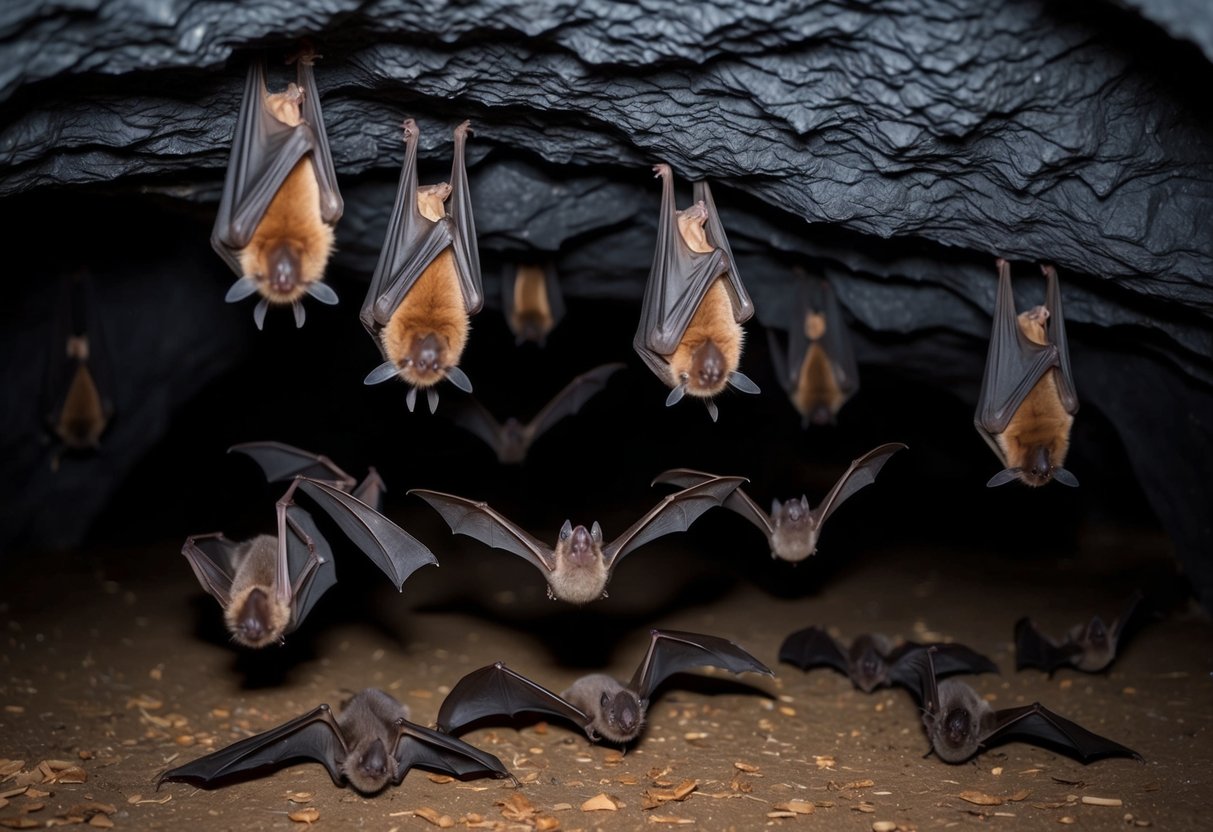
Understanding bat colonies and their reproductive cycles gives insight into their behavior and habitat needs. During maternity season, female bats gather in maternity roosts to care for their young, which are called pups. Different bat species, like the big brown bat and little brown bat, have distinct habits and needs during this critical time.
Maternity Season Dynamics
Maternity season typically occurs in late spring and early summer. During this time, female bats come together to form maternity colonies. These colonies provide protection and support as mothers raise their pups.
Each female usually gives birth to one pup per year, though some species can have two or three litters. The pups are born blind and helpless, relying on their mothers for warmth and nourishment. Maternity roosts, often found in attics or trees, are chosen for their safety and accessibility.
Implications of Seasonal Changes
Seasonal changes greatly affect bat reproductive cycles. Weather, food availability, and environmental conditions play a significant role. For instance, a mild winter can lead to an earlier start of the maternity season.
When food sources are plentiful, bats are more likely to thrive. Changes in habitat, such as deforestation or urbanization, can disrupt these cycles. It’s important to protect maternity roosts to ensure the survival of pups and the stability of bat populations.
Human Co-Habitation and Its Challenges
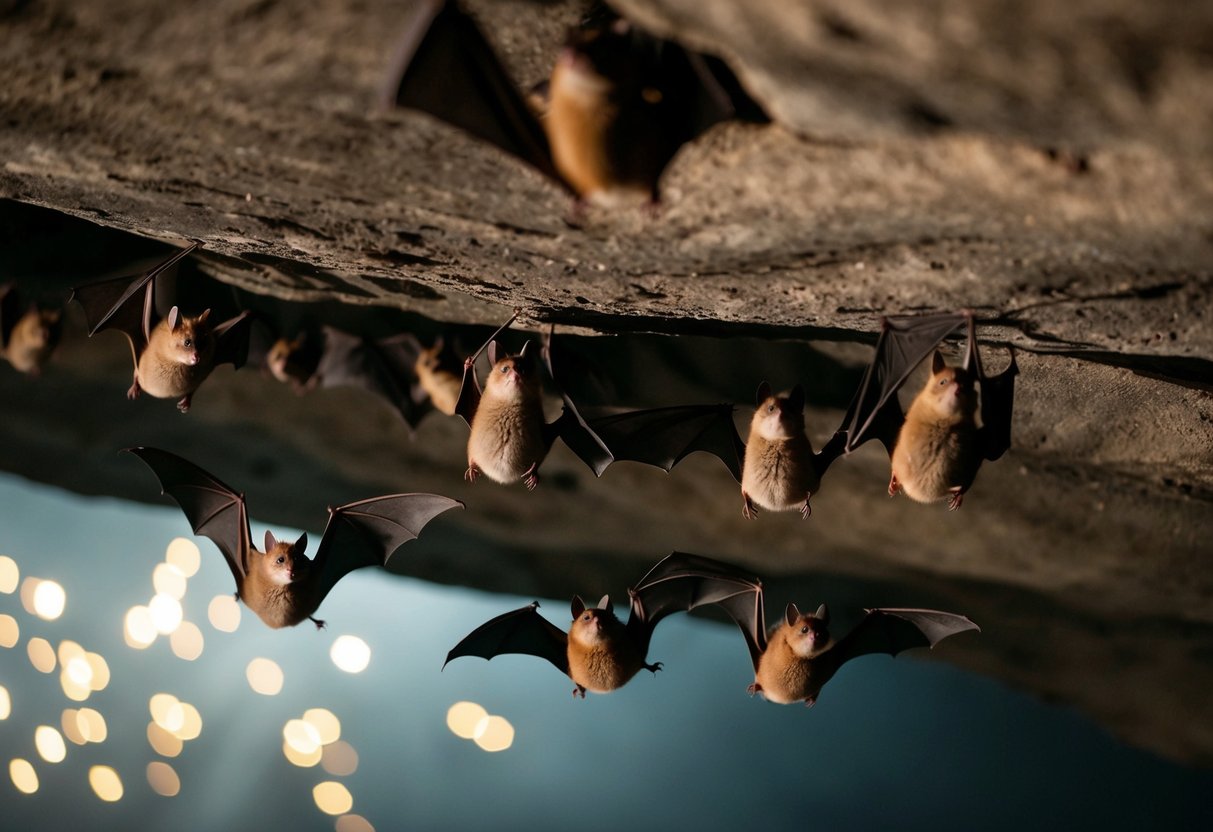
Living in close proximity to bats can create unique challenges for homeowners. Understanding these issues is key to maintaining a safe and healthy environment.
Dealing with Bat Infestations
If bats find their way into your attic or other parts of your home, it can lead to a serious infestation. Bats typically use small entry points to access buildings, so it’s essential to inspect your home for any gaps or holes.
Once inside, bats can leave behind guano, which is their droppings. This guano can cause health issues, including diseases like histoplasmosis, when inhaled. You should not attempt to handle bat droppings without proper safety gear.
Hiring a pest control expert can help remove bats safely. They can also advise you on bat repellent options and sealing entry points to prevent future infestations.
Safeguarding Human Health and Safety
Keeping your home safe from bats involves more than just removal. It’s important to practice safety measures that protect your health. Bats can carry diseases like rabies, making it vital to avoid direct contact.
If you notice a bat in your living space, remain calm and contact animal control. Avoid handling the bat yourself.
Ensuring that all food sources are sealed and stored properly can also deter bats from entering your home.
Regular inspections of the attic and other hiding spots can help catch issues early. Use bat control measures, such as installing screens or using repellents, to keep these creatures at bay and safeguard your space.


