
Ever wondered when bees act the most aggressive? It’s usually in the afternoon, especially between 10 a.m. and 4 p.m. That’s when honey bees hustle to collect nectar and pollen.
During these hours, bees get disturbed more easily and might react defensively if they feel threatened.
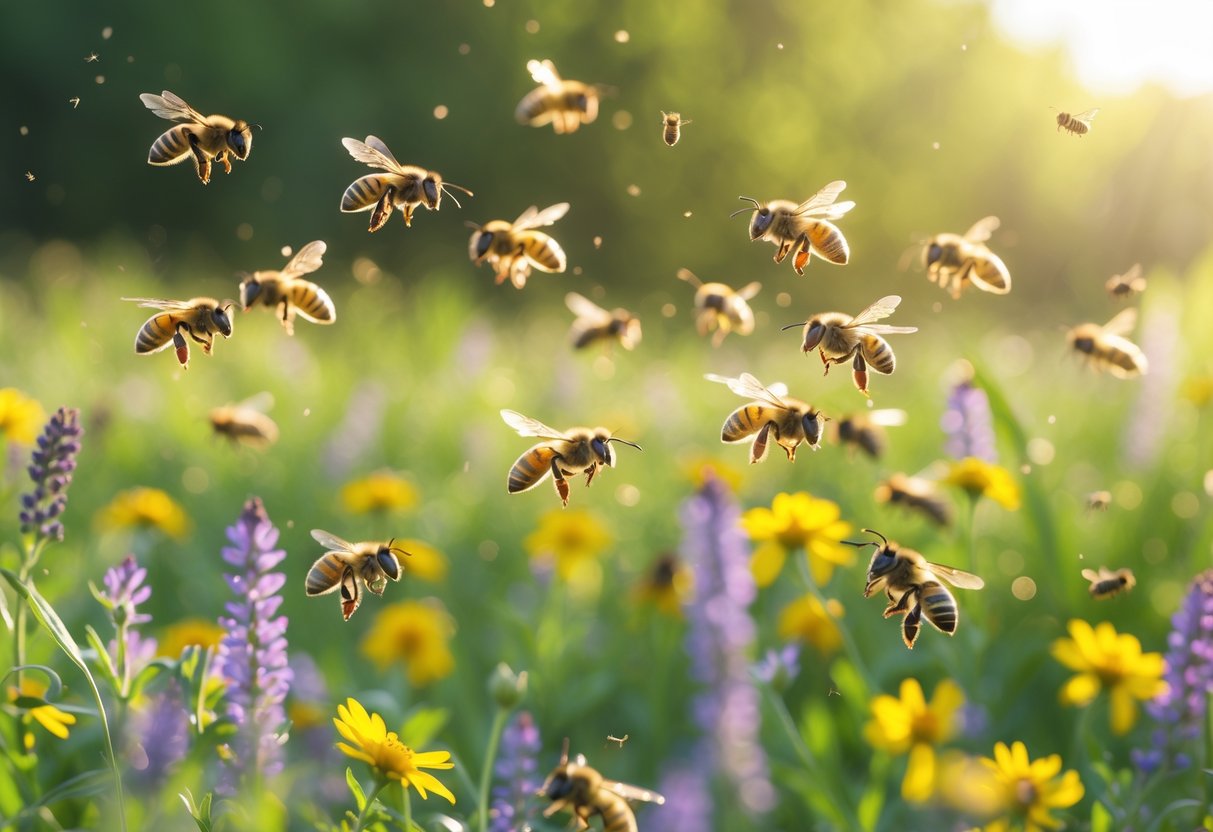
You’ll probably run into more aggressive bees when the sun is high and the temperature climbs. Bees seem calmer early in the morning or late in the evening.
But once the day heats up, honeybees become much more active and protective of their hive. If you get their daily patterns, you can dodge a lot of unwanted stings.
If you’re gardening, hiking, or just hanging out outside, knowing these aggressive windows can help you stay safe. It’s interesting how their behavior changes with the time of day and weather.
For more on how this works, check out when bees are most aggressive.
When Are Bees Most Aggressive?

You’ll notice bees act differently depending on the time of day. Their mood shifts with the temperature, sunlight, and what they’re up to.
They get way more active at certain times and really respond if you get close to their colony or their favorite flowers.
Peak Activity Periods and Aggression
Bees get most aggressive between 10 a.m. and 4 p.m. That’s when they’re in overdrive, collecting nectar and pollen.
You’ll probably see more buzzing and bee traffic during these hours. Bees stick to a daily routine, called circadian rhythms, that keeps them busy when flowers give the most resources.
Early afternoon, usually around 2 p.m., seems to be their busiest stretch. If you’re near a hive or a bunch of flowers, you should be extra careful at that time.
Influence of Temperature and Sunlight
High temperatures and bright sunlight really wake bees up. As the sun comes up, bees get moving.
Warm weather helps them fly and gather nectar more easily. Oddly, cold can make bees cranky too, especially if they feel threatened.
Sunlight affects their mood a lot. Bees chill out as daylight fades.
You won’t see much bee action early in the morning or after sunset. Those are safer times to be outside if you want to avoid bee stings.
Role of Foraging and Colony Defense
During the day, bees spend a lot of time foraging for nectar and pollen. As the day goes on, they get more protective, wanting to defend what they’ve gathered.
That’s when they guard the hive closely and might react if you get too close. If they sense danger near the colony, bees get defensive to protect their young.
Their aggressive side comes out to keep the hive safe. If you know this, you can avoid disturbing a hive and lower your chances of being stung.
For more details on their peak activity and behavior, check out this guide.
Environmental and Behavioral Factors Impacting Bee Aggression
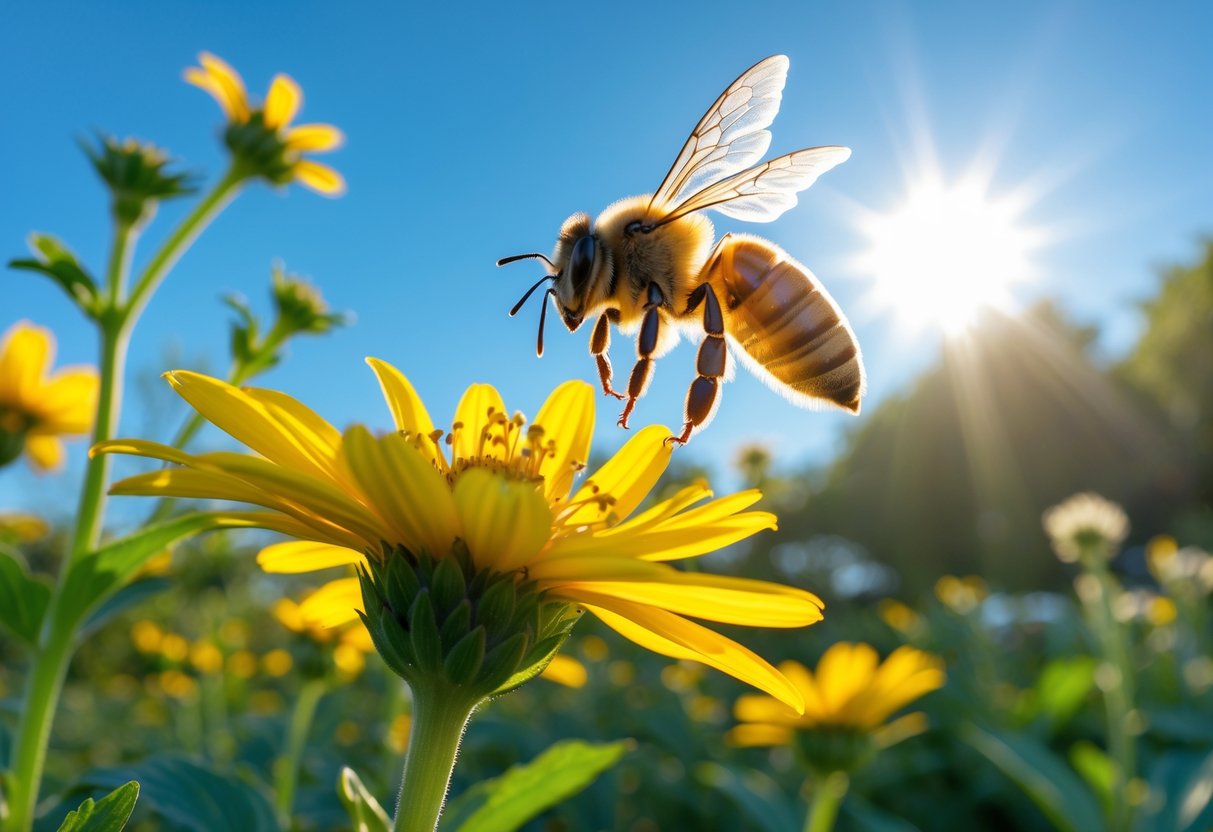
Bee aggression shifts with the weather, how much food’s around, and how they interact in and around their nests. Understanding these factors makes avoiding stings a bit easier.
Weather Conditions and Wind
Sunny, warm days make bees more active and sometimes more aggressive. High temps push bees to work harder for nectar and pollen.
Strong wind, though, makes flying tough for them and can stress them out. That stress sometimes makes them more irritable and defensive.
Cloudy, cool, or rainy days usually calm bees down since they aren’t as active. On windy days, you might see bees get defensive near their hives.
Wind messes with their foraging and can throw off their usual behavior, so they get grumpy. If you’re near a hive in windy or really hot weather, move slowly.
Quick motions can startle them, and nobody wants that.
Resource Competition
Bees get more aggressive when there’s not much nectar or pollen to go around. When flowers are scarce, they compete for what’s left.
That competition puts bees on edge and makes them more likely to defend their food. If you’re a beekeeper or just working with plants, it helps to know when things bloom.
When nectar is low, the whole hive can get touchy. Aggression ramps up as bees guard the few flowers they find.
Try not to disturb flowers with lots of foraging bees. Swarming around those flowers can set them off, and that’s when stings happen.
Social Interactions and Nesting Behavior
Inside a hive, bees are always communicating with each other to keep their home safe.
When they sense a threat nearby, they ramp up their aggression and defend the nest together.
These kinds of social interactions really crank up the hive’s overall alertness.
You should know bees get especially defensive between 10 a.m. and 4 p.m.—that’s their peak foraging window.
They’re much more sensitive to anything that disturbs them during these hours.
Most beekeepers notice this is when bees seem to guard the colony the hardest.
If you want to steer clear of angry bees, it’s best to give their nesting spot some space.
Try not to make sudden movements or loud noises near a hive, and you’ll probably avoid trouble.


