
You’ll spot squirrels all winter long since they stay active, searching for what they stashed in the fall and whatever else they can scrounge up outside. Most squirrels get through the cold months by munching on nuts, seeds, and other dry foods they buried earlier. Sometimes, they’ll grab a bit of fresh plant material or even some human food if they’re lucky.

Watch them dig, nibble, and raid bird feeders—those habits reveal how they find and use food when it’s freezing out. The next sections dive into their favorite foods and how they manage to stash and retrieve them. You might even spot ways to help them out safely.
What Squirrels Eat in Winter

Squirrels depend on their hidden food supplies and whatever else turns up on chilly days. You’ll often catch them digging for buried nuts and snacking on high-energy foods that last through the cold.
Nuts and Seeds for Winter Nutrition
Nuts and seeds really make up the core of a squirrel’s winter diet. They’re full of fat and calories, which is exactly what a little animal needs to stay warm.
Acorns are a top choice. You’ve probably seen squirrels burying them in soil or stashing them in tree hollows. Hickory nuts, hazelnuts, and walnuts also offer dense energy and show up in their winter menus.
Pine nuts and pecans, both rich in fats, help squirrels keep their body heat. Sunflower seeds and pumpkin seeds are popular too, especially near bird feeders.
If you want to help out, toss some unsalted seed mixes in a tray feeder. Just skip the salty or flavored stuff. Squirrels use memory and scent to track down their caches—so their burying patterns really matter for survival.
Fruits and Berries in Cold Months
Fresh fruit is rare in winter, but some hardy types stick around or dry well for later. Persimmons and crabapples sometimes cling to trees even after frost.
Squirrels will eat frozen or shriveled fruit if they find it. The sugar gives them a quick energy boost.
Dried fruits like apple slices or berries, if they’ve hidden them away, come in handy when food is scarce. Sometimes you’ll spot a squirrel raiding a compost pile or garden for leftover fruit.
Just don’t put out fruit that’s moldy or loaded with added sugar—it’s not good for wildlife.
Alternative Winter Foods
When nuts and fruit run low, squirrels get creative. They’ll nibble on buds, strips of bark, and even the soft cambium layer from young twigs to get nutrients.
Sometimes, they’ll eat eggs or small insects if they come across them. You might even see a squirrel digging into human food scraps if trash bins stay open.
They often raid bird feeders for suet cakes or spilled seeds. If you’re hoping to help, set up squirrel feeders far from trash and avoid bread or processed snacks. For more ideas on safe winter foods, check out expert tips on feeding backyard squirrels.
How Squirrels Find and Store Food in Winter
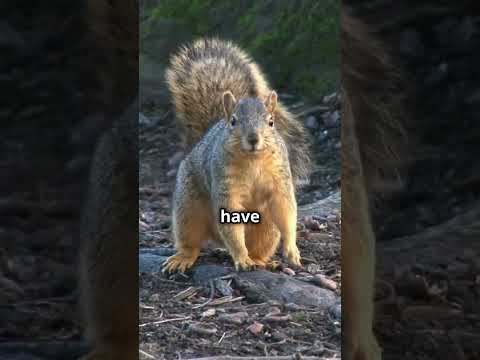
Let’s look at how squirrels stash food, how they track down their own caches later, and how city life and feeders change their routines. You’ll get some practical details about where they hide nuts and how they use memory and scent.
Scatter Hoarding and Larder Hoarding Techniques
Squirrels use two main storage tricks. With scatter hoarding, a squirrel buries single nuts or seeds in lots of shallow spots all over its territory.
This spreads out the risk—if a predator finds one cache, plenty of others remain safe. Scatter hoards usually sit just a couple centimeters under leaves or soil, near tree roots or under shrubs.
You’ll spot tiny digging marks clustered in one area during fall. Squirrels can bury hundreds of items this way.
Larder hoarding is different. Here, a squirrel piles up many nuts in one secure place, like a tree cavity or a thick brush pile.
Larder hoards are easier to guard, but if something finds them, the squirrel loses everything. Eastern gray squirrels often mix both methods, adjusting depending on the food and local risks.
Cached Food Retrieval Strategies
Squirrels depend on spatial memory and scent to find their buried food. They build mental maps using landmarks—big trees, rocks, or even your bird feeder pole—to help them locate scatter hoards.
Neighborhood trees and fences become important reference points. Scent helps if landmarks get covered by snow or if memory fails.
Squirrels can sniff out buried nuts, especially when it’s not too cold. They’ll even move their stashes to new spots if they think a cache isn’t safe.
You might catch a squirrel digging in the same spot more than once. Usually, that means it’s checking or moving its stash. They go for high-calorie items like acorns and walnuts when they want to store food for the long haul.
The Role of Urban Squirrels and Feeders
In towns, squirrels really adjust their caching habits to whatever humans throw at them. Bird feeders, compost bins, and gardens? Those just mean more steady snacks.
You’ll probably catch squirrels stashing seeds and corn near yards, under decks, or in those scrappy soil patches close to feeders. Sometimes, they even go for larder hoarding in attics, soffits, or hollow trees right by houses.
That gives them quick access and, honestly, some extra warmth. Feeders totally change up their diet mix—suddenly there are way more sunflower seeds and peanuts in the stash.
This swap can affect how long their food actually lasts before it spoils. If you set up a feeder, get ready to see more digging in the area.
Want to cut down on random squirrel stashing in certain spots? Try putting feeders over gravel or toss in a baffle so squirrels have to carry food away, not just eat or bury it right under the feeder.
If you’re curious, you can find more about squirrel caching and their winter food habits in articles like this one on how squirrels store food for winter (https://worlddeer.org/how-squirrels-store-food-for-the-winter/) and another on urban feeding and storage strategies (https://petshun.com/article/where-do-squirrels-store-their-food-for-the-winter).


