
Ever wondered what smell makes bees aggressive? The main culprit is smoke.
Bees pick up on the scent of smoke and instantly associate it with danger. They feel threatened and get on high alert when they catch a whiff. This instinct protects their hive from wildfires or predators—makes sense, right?
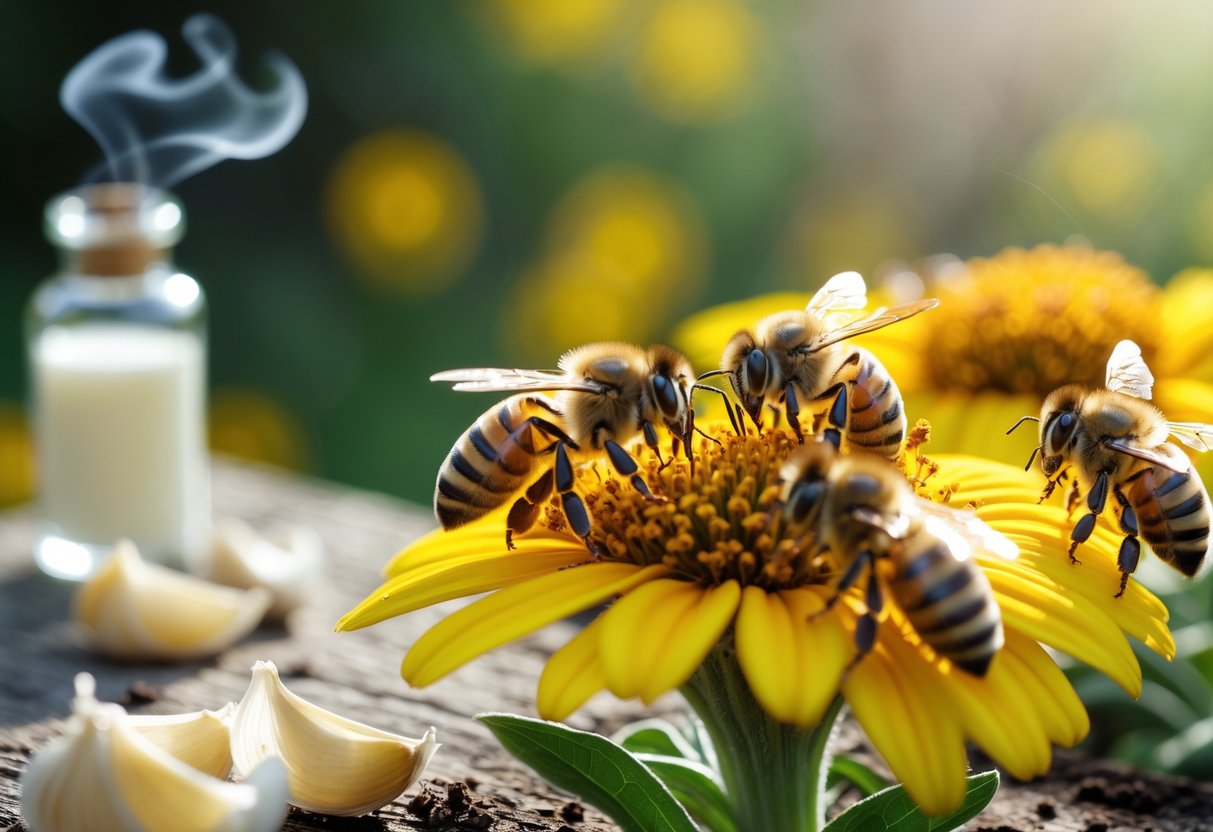
But smoke isn’t the only thing that sets bees off. Some strong scents—like bananas, certain perfumes, or even a few plants—can make them defensive.
If you know which smells bother bees, you can avoid ticking them off during a picnic or while checking on a hive.
Smells That Make Bees Aggressive

Some smells really set honey bees off. These odors signal danger and tell bees it’s time to defend the hive.
If you know which scents cause this, you can steer clear of bee stings and keep yourself safer around them.
Banana Scent and Alarm Pheromones
Banana scent is weirdly similar to the alarm pheromones bees release when they feel threatened.
Alarm pheromones are chemicals bees use to warn the colony about nearby danger. When bees smell something like these pheromones, they get defensive fast.
Banana-like smells have compounds that ring the same alarm bells in a bee’s brain. That means if you’re wearing banana-scented lotion or munching on a banana, you might attract some seriously unwanted bee attention.
The Impact of Perfumes and Artificial Odors
Strong perfumes and fake scents can really throw bees off and make them act up. Bees depend on their sense of smell to find flowers and relax around familiar scents.
Artificial odors mask those natural smells. If you wear strong perfume or use a lot of hairspray, you make it harder for bees to recognize their environment.
That confusion can make bees feel threatened. It’s a good idea to go easy on fragrances or chemicals if you’re anywhere near a bee colony.
Human Scents and Fear Pheromones
Bees can pick up on certain human smells, like sweat or fear pheromones. When someone gets scared or starts sweating, their body releases chemicals bees can detect.
Bees might mistake these smells for a threat. If you panic or swat at bees, you send out fear signals that can make them more likely to attack.
Staying calm—and not producing strong human scents—can help keep bees from getting hostile.
Factors Influencing Bee Aggression Beyond Smell
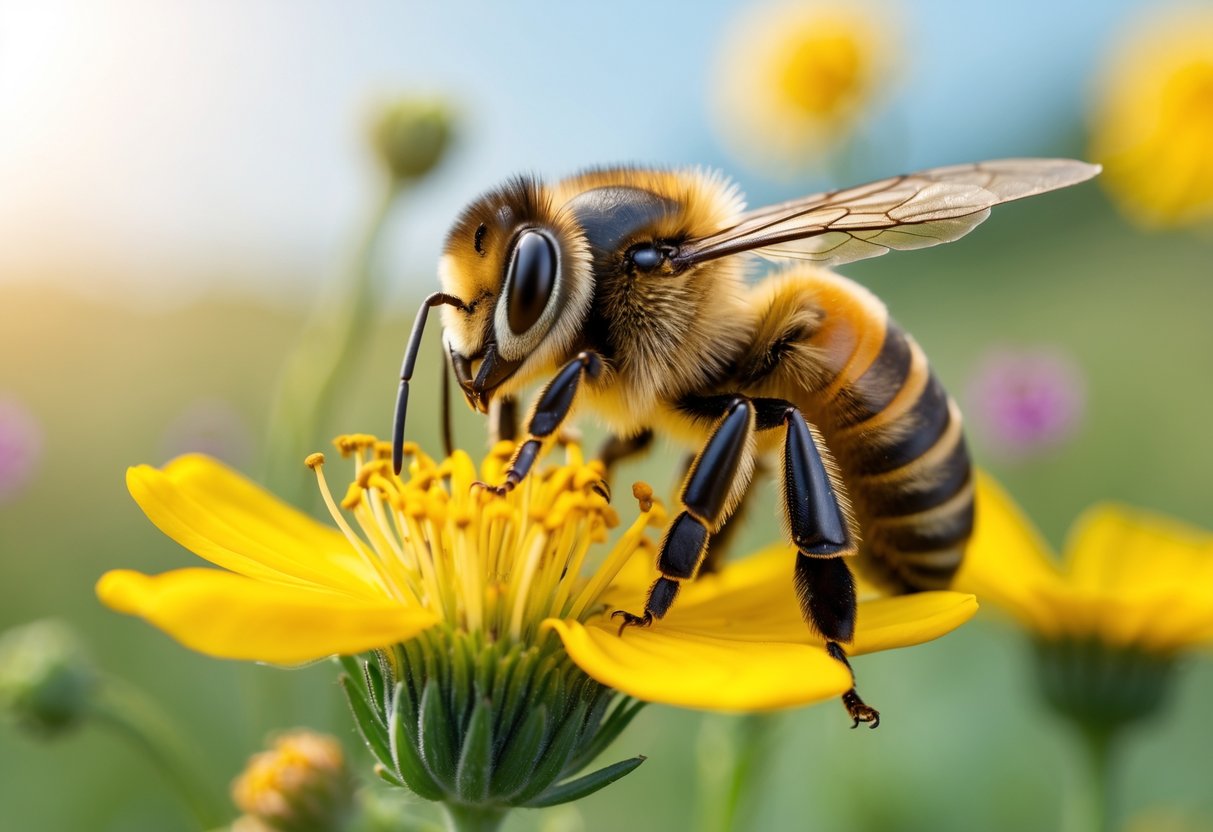
Bee aggression isn’t just about smell. Vibrations, the environment, and even genetics all play a part in how defensive bees get.
Knowing what sets them off helps you stay safe and avoid getting stung.
Role of Vibrations and Hive Disturbance
Bees use vibrations to communicate and sense danger. When you inspect a hive, loud noises, sudden moves, or even stomping can create vibrations.
These vibrations make the colony feel threatened. Guard bees jump into action to protect the queen and brood.
If you disturb a hive too often or get rough, you stress the bees out. Even tapping the hive or using tools carelessly can upset them.
Wearing proper bee gear helps reduce problems during inspections. Bees are also sensitive to vibrations from nature—hornets and wasps create vibrations that honeybees notice as threats.
Africanized bees, also called “killer bees,” often react more aggressively to vibrations than other types.
Environmental Stressors and Resource Scarcity
Bad weather and low food supplies can make bees cranky. Hot, humid weather puts stress on the hive.
When nectar or pollen runs low, bees get defensive to protect what little food they have. Starvation risks make them more likely to sting.
Varroa mites are another headache. These pests weaken bees and make colonies more on edge during hive checks.
If you notice bees acting extra aggressive, look for signs of pests or disease. When nectar is scarce—like in late summer or during a drought—bees guard resources fiercely.
You can help by giving the hive extra food when flowers are few and far between.
Genetics and Species Differences
Bee species and genetics play a big role in how aggressive a hive gets. Africanized honeybees, for example, have a reputation for being much more defensive than European honeybees.
These bees react to threats almost instantly. They send out a swarm of guard bees before you even realize it.
The queen’s genetics really shape how the whole colony behaves. If she comes from an aggressive line, you’ll probably notice the entire hive acting more protective.
Drones can carry this trait too, passing on those defensive genes. So, the hive’s temperament doesn’t just depend on the queen.
If you understand your bees’ genetics, you can get a better sense of how they’ll act during hive checks. Some folks prefer calmer strains because they’re easier to manage.
Still, even the gentlest bees will do whatever it takes to defend their queen and brood if they feel threatened. Isn’t that kind of admirable, in a way?


