
If you’ve found bees buzzing behind your walls, you’re probably wondering how long they’ll last in there. Bees might survive from just a few days up to over a year when stuck in a wall, mostly depending on their food stash and the size of their hive. That’s a pretty wide range, and it really affects whether you need to act quickly or if you have some time to plan safe removal.

Your home’s walls might look like a fortress, but for bees, the length of survival changes a lot depending on things like stored honey, temperature, and whether they can get any fresh air at all.
It’s good to know this before you decide what to do. You’ll see why just sealing them in isn’t the answer, and you’ll pick up a few tips to keep both your house and the bees safe.
How Long Can Bees Live Trapped in a Wall?
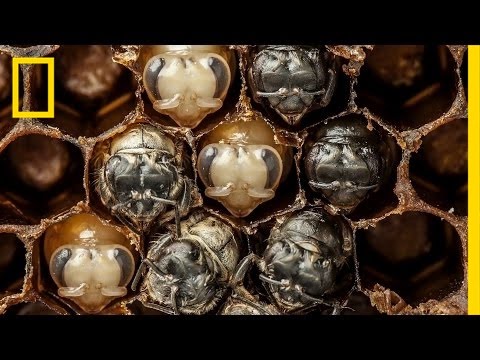
When bees get stuck inside your walls, their survival really depends on a bunch of things. Food supply, colony size, and which kind of bee you’re dealing with all matter here.
Some bees make it for weeks, while others could last months.
Factors That Impact Bee Survival Indoors
The food they’ve stored up is a huge deal. Worker bees need honey and pollen to live.
If the food’s gone, they won’t last long. A bigger hive with more supplies can stick it out longer inside a wall.
Temperature and airflow change things too. If it gets too hot or dry, bees die faster.
They’ll try to escape by following light or sound, but if they can’t, they eventually get weaker.
Don’t just block up their entrance. That can cause damage and sometimes even pushes the bees to find new ways into your home.
Your best bet is to call a bee removal expert. It’s safer for you and the bees.
Trapped Bee Colony Food Sources
Bees inside a wall eat whatever they brought in before getting trapped.
Worker bees store nectar in their honey stomachs and turn it into honey, which becomes their main food.
They also stash pollen for protein. If the colony built a good hive with enough honey and pollen, they might hang on for months, maybe even a year.
But if the hive is small or new, food runs out fast. The queen needs plenty of food too since she lays eggs to keep the colony alive.
If supplies run out, the whole colony dies off pretty quickly.
Lifespan of Different Bee Species in Walls
Not all bees are the same when it comes to surviving indoors. Honey bees usually last the longest in walls because they’ve got big hives and lots of honey.
If food holds out, they might survive a year or more.
Bumblebees don’t do as well—they don’t store as much food, and their colonies are smaller.
Carpenter bees and mason bees don’t build big hives, so they usually only last a few weeks inside a wall.
Worker bees usually live a few weeks to a couple months, depending on how things go. The queen can live longer, but if she loses her colony and food, even she won’t last.
If you know which bee species you’re dealing with, it’ll help you decide how quickly you need to act.
For more info on how long bees can survive in walls, check out this detailed guide on bee survival.
Bee Removal and Prevention from Wall Cavities

Bees living in your walls can do real damage and even create safety risks. Spotting the problem early and knowing how to get rid of them safely helps protect your house and the bees.
Identifying Signs of a Bee Infestation
Listen for buzzing sounds coming from inside your walls, especially when it’s warm out.
You might catch a whiff of something sweet, see dripping wax, or notice little holes where bees sneak in and out.
Some signs to watch for:
- Buzzing noises near walls or ceilings
- Flapping sounds behind walls
- Small holes or cracks on your outside walls
- Bees flying in and out of the same spot over and over
Honey bees and carpenter bees usually build nests in wall spaces. Mason bees prefer hollow stems, so they’re not as likely to cause wall trouble.
Safe Bee Removal Methods
Don’t try to just seal up bees inside your walls. That only starves them and can cause nasty smells or more mess.
Instead, you could use a bee vacuum to gently collect bees without hurting them.
Another option is to open a small part of the wall and give the bees a way out.
Skip the poisons or sprays—honey bees are crucial for pollination and the environment.
The queen’s survival really shapes how long the colony can last, so be careful.
If you try removing the hive yourself, you’ll need to work slowly and wear good protective gear.
When to Call a Professional Beekeeper
If you’re not sure how to deal with bees, you should probably reach out to a professional beekeeper or a bee removal service.
These folks know how to safely remove a hive without harming the bees.
They’ll relocate the queen and her colony somewhere more suitable.
They also make sure to seal up entry points, so you won’t get another infestation popping up.
Professionals usually avoid removing bees on cold or rainy days, since that can stress the colony.
Honestly, calling a beekeeper just makes life easier—and it protects the bees too.
You can always check out guides on bee removal and prevention from wall cavities if you want to learn more about safe methods.


