
If you’re dealing with unwanted mice or chipmunks, you’re probably wondering what smells can actually keep them at bay. Strong scents like peppermint, lavender, cinnamon, and clove can overwhelm their sensitive noses and drive these little pests away. Try using these smells around your home or garden to make the area less tempting for them.

You don’t need to rely on harsh chemicals to protect your space. Natural scents like mint oils or dried lavender are safe and easy to use.
They work even better when you combine them with regular cleaning and sealing up entry points.
Most Effective Smells That Repel Mice and Chipmunks
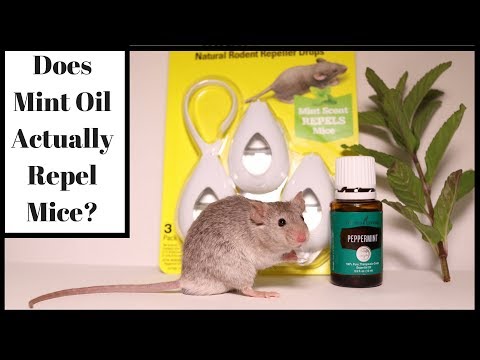
Certain strong smells can help keep mice and chipmunks away. These scents mess with their senses or set off their natural fears.
Try using these smells at entry points or anywhere you’ve noticed rodent activity.
Garlic and Its Potent Odor
Garlic’s strong, sharp smell has been a go-to natural rodent repellent for ages. Its sulfur compounds give off an odor that mice and chipmunks just can’t stand.
You can put fresh garlic cloves or crushed garlic near holes, walls, or anywhere you think they’re sneaking in.
If you don’t want to use fresh garlic, try sprinkling garlic powder in those spots. The smell sticks around and can make rodents think twice.
Garlic’s scent can even cover up food smells that might attract rodents in the first place.
Mint: Nature’s Rodent Repellent
Mint, especially peppermint oil, is another favorite for keeping rodents out. The strong menthol smell really irritates the sensitive noses of mice and chipmunks.
Soak cotton balls in peppermint oil and set them near entrances, cupboards, or any suspicious areas.
You can easily renew the scent by swapping out the cotton balls every few days. Some people even add a few drops to their cleaning solutions to keep the smell going all over the house.
It’s safe to use around pets, which is a big plus over some chemical options.
Predator Urine and Instinctual Fear
Predator urine taps into rodents’ natural fears. Mice and chipmunks can smell animals like foxes or coyotes, and they’ll steer clear to stay safe.
You can buy predator urine at garden stores and put it near entry points or in your garden.
Rodents have an instinct to avoid places where they think predators are lurking. Just be careful where you use it so pets or kids don’t get into it.
If you want a deterrent that works with their instincts, this one’s worth a try.
Cinnamon as a Natural Deterrent
Cinnamon’s spicy scent can really bother mice and chipmunks. Sprinkle ground cinnamon around entry spots, windows, or along baseboards.
The strong smell keeps rodents from wanting to pass through those areas.
Cinnamon also gives off a natural warming quality that rodents dislike. It’s safe to use indoors and doesn’t involve any chemicals.
Just refresh the cinnamon now and then so the scent stays strong. You can mix cinnamon with peppermint for extra power.
For more details on natural scents that keep rodents away, check out this guide on smells that mice hate.
How to Use Repellent Scents for Best Results

If you use repellent scents the right way, you can keep mice and chipmunks away. Pick the product that fits your needs, put it where it counts, and add extra barriers if you want to stop rodents from getting inside.
Choosing Between Natural and Commercial Products
You’ve got options: natural choices like peppermint oil, cinnamon, or vinegar, or commercial sprays and pellets. Natural scents are safe around kids and pets, but you’ll need to reapply them pretty often because the smell fades out.
Commercial products usually last longer and some release their scent slowly. They might have chemicals, though, so that’s something to think about.
Tip: If you want to keep it simple, start with natural oils like peppermint oil on cotton balls. If that doesn’t do the trick or things get worse, try a commercial repellent.
Where and How to Apply Scent Repellents
Focus on spots where you’ve seen signs of mice or chipmunks—near doors, windows, or cracks in the walls. Entry points in the basement, garage, or attic are important too.
Soak cotton balls in oils and tuck them in these areas. If you use sprays, mix water with a few drops of peppermint or eucalyptus oil and spray it where you think rodents travel.
Don’t forget to refresh the scents regularly since they lose strength over time. Avoid spraying on surfaces that could get damaged by liquids.
Combining Scents with Physical Barriers
Smells alone won’t fix a rodent problem. You need to seal up holes, gaps, and cracks in your walls and floors to block their entry.
Grab some steel wool, caulking, or weather stripping—those usually get the job done.
Try putting scent repellents right by these sealed spots. That extra step might make rodents think twice before squeezing through.
You can also set up humane traps or plant something strong-smelling, like mint, nearby.
Mixing these methods gives you a much better shot at keeping mice and chipmunks out.
For more about effective scent repellents, check out 15 Smells That Mice Hate.


