
When it comes to animal testing, beagles are often the subject of various research studies. They are frequently used to test a wide range of products, including pharmaceuticals, cosmetics, and household items. This is due to their gentle nature and ability to interact well with humans, making them suitable for laboratory settings.
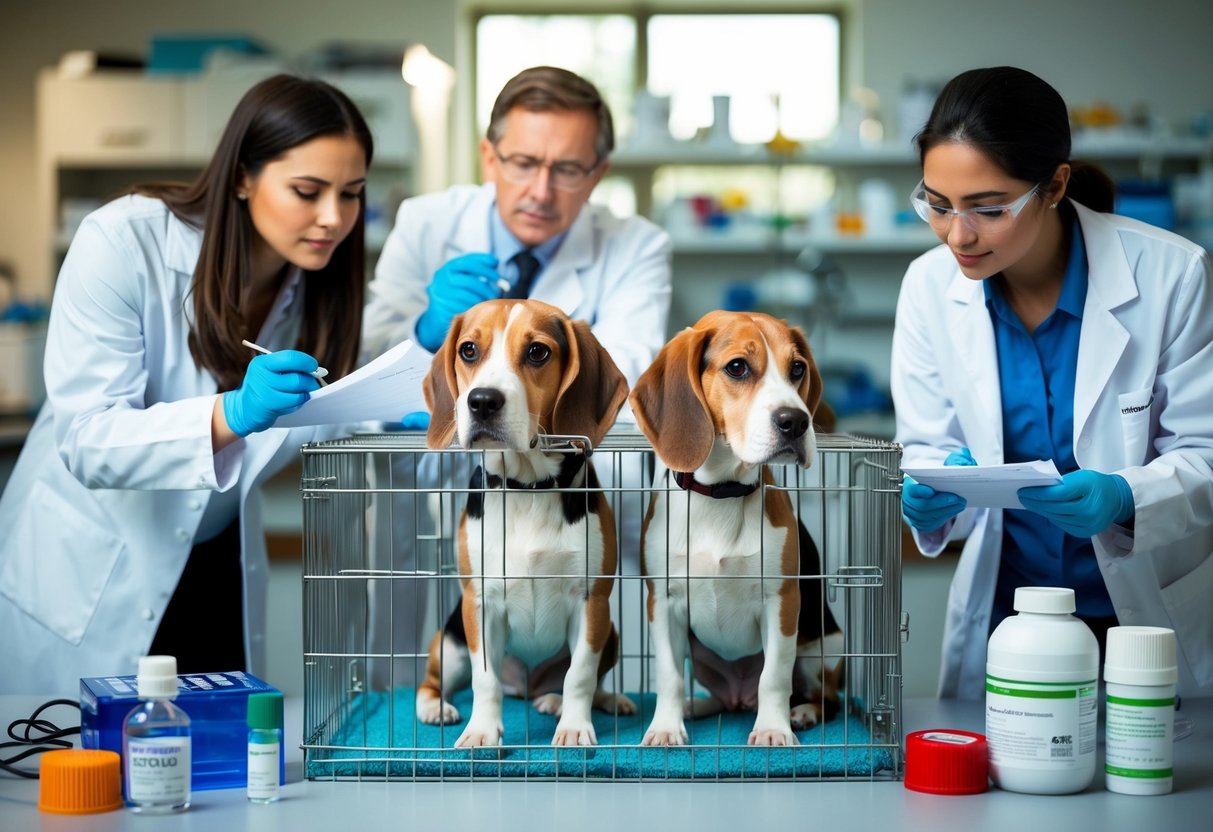
In the realm of medical research, beagles play a crucial role in testing the safety and effectiveness of new drugs before they move on to clinical trials. Researchers use them to evaluate everything from cancer treatments to pain medications. These tests help ensure that new products are safe for human use, but they raise important ethical questions about animal welfare.
You might wonder which specific products are tested on beagles. Investigations have revealed that they are often involved in tests for a variety of medications, including those for diabetes and pain relief. Understanding what products are tested on these animals can help you make informed choices as a consumer.
Why Beagles Are Used in Research

Beagles are commonly chosen for research due to their unique characteristics and genetic traits. These qualities make them suitable test subjects in various studies, particularly in lab settings.
Beagle Physique and Temperament
Beagles are small to medium-sized dogs known for their friendly and gentle temperament. Their compact size makes them easier to handle in lab environments.
Their physical build is well-suited for various tests. For example, their manageable weight allows for ease in procedures, while their strong sense of smell enables research in olfactory studies.
In terms of temperament, beagles are typically social and adaptable. This makes them ideal for behavioral research, as they can easily interact with humans and other animals. Their cooperative nature reduces stress during testing, leading to more reliable results.
Beagle Genetics and DNA Relevance
Beagles possess a genetic makeup that is useful in scientific research. Their DNA closely resembles that of humans in many ways, making them valuable models for studying diseases and medical responses.
When researchers test new drugs or medical devices, beagles can give insights into how these products might affect humans. Their genetic predisposition to certain health issues allows scientists to study how various treatments work.
Additionally, beagles are often bred for consistency in traits. This uniformity helps in ensuring that research results are reliable and reproducible across different studies.
Types of Tests Conducted on Beagles

Beagles are often chosen for testing due to their gentle nature and manageable size. Various tests, including drug efficacy and surgical procedures, help researchers understand how substances affect living beings. Here are some of the main types of tests conducted on these dogs.
Drug Testing and Medical Trials
In drug testing, beagles are used to evaluate the safety and effectiveness of new human drugs. Researchers administer potential treatments and monitor the dogs for adverse effects. This can include observing changes in behavior, physiology, and overall health.
Beagles may also participate in medical trials for veterinary medicines. These studies help ensure that new drugs are safe for both dogs and humans. The beagle’s responses can guide how treatment is adjusted for various conditions.
Surgical Procedures and Implants
Surgical procedures are another key area for testing with beagles. These can range from routine surgeries to more complex ones, like pacemaker implants and kidney transplants. Each surgery aims to assess how these interventions might benefit humans.
During these surgeries, researchers take careful note of recovery times and any complications. This data helps refine techniques and improve surgical outcomes for both animals and future human patients. The careful monitoring of these procedures contributes valuable insights into veterinary and medical surgery practices.
Cosmetics and Household Products
Many household and cosmetic products have been tested on beagles to understand their safety. This includes testing for irritation or harmful reactions to skin or ingestion. Researchers use beagles to ensure these products meet safety guidelines before they are marketed.
While some companies are moving towards developing cruelty-free cosmetics, a significant number still conduct tests on animals. The beagle’s responses play an important role in determining if a product is safe for human use. Awareness of these practices has led to increased advocacy for alternative testing methods that do not involve animals.
Beagle Welfare and Ethical Considerations
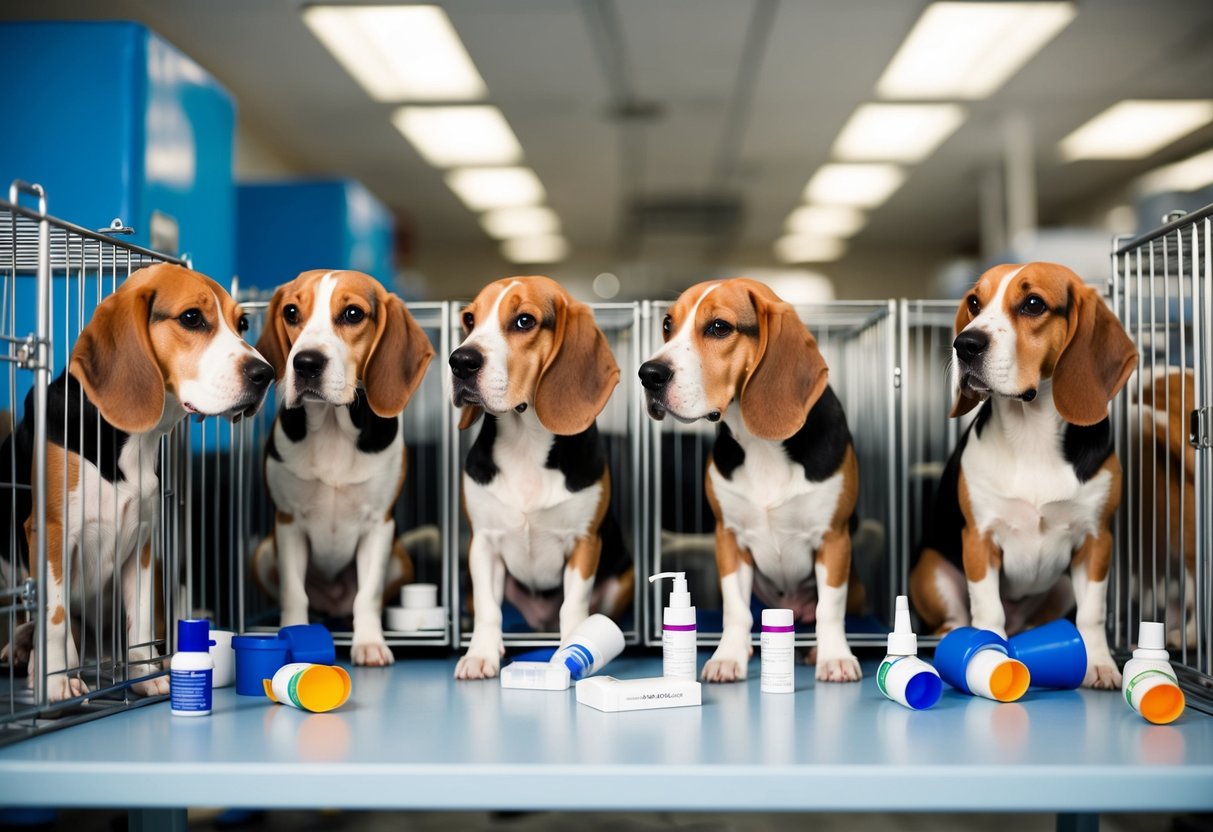
The welfare of beagles used in testing raises important ethical questions. You may find it necessary to consider their breeding conditions, advocacy efforts, and the path to adoption after their use in labs.
Breeding and Living Conditions
Beagle breeding practices often focus on producing dogs suitable for research. Many beagles used in testing come from breeding facilities that prioritize specific traits. These dogs are kept in controlled environments, but conditions can vary greatly.
In some cases, these beagles live in small cages with minimal social interaction. Animal welfare organizations criticize these conditions. They advocate for better living situations and more humane treatment. You might also hear about the work of the Humane Society and similar groups, which aim to bring attention to these issues.
Advocacy and Reform Efforts
Animal activists play a crucial role in advocating for beagles and pushing for reforms. Organizations like the Beagle Freedom Project focus on raising awareness about the ethical concerns of using dogs in testing. They work toward more humane treatment and seek alternative methods for research that do not involve dogs.
You can support these initiatives by becoming involved in local animal welfare efforts. By raising awareness, you can help bring about change. This includes pushing for cruelty-free products, promoting legislation that protects animals, and encouraging scientific research to find alternatives to animal testing.
Adoption and Aftercare
After testing, many beagles need a loving home. Adoption programs are essential for finding these dogs safe environments. You will find rescue shelters dedicated to placing retired laboratory beagles in caring households.
These shelters educate new owners about beagle care. They ensure that these dogs transition smoothly to life outside the lab. Many beagles can adapt well to family life, so consider adopting if you have the space and heart for a new companion. Your support can lead to happier lives for these gentle dogs.
Alternatives to Animal Testing

You might wonder what options exist instead of testing on animals like beagles. Thankfully, there are many alternatives that can help ensure products are safe without causing harm to animals.
In Vitro Testing
This method uses cells or tissues to test products in a lab setting. It allows researchers to observe how substances react without using live animals.
Computer Modeling
Scientists create software programs to predict how products might affect human health. These models can simulate how substances interact with the body.
Human Cell Testing
Using human cells is another approach. It provides more accurate results for safety testing since it examines human reactions directly.
Ethical Stances
Many companies focus on cruelty-free products. These brands commit to safety testing that does not involve animals. They often seek certifications to show their dedication to humane practices.
You can support these causes by choosing products from companies that prioritize ethical testing methods.
Organizations like the American Kennel Club advocate for animal welfare and promote awareness of these alternatives.
Universities, like the University of Utah, are also researching and developing new methods to replace animal testing. Their work is essential in creating safer, more humane testing practices.


