
If you’re curious about powerful pups, you’ve come to the right place! Many dog breeds stand out for their strength, whether it’s muscle, endurance, or sheer size. The top 10 strongest dogs include breeds like the Tibetan Mastiff, German Shepherd, and English Mastiff, each known for their unique strengths and capabilities.
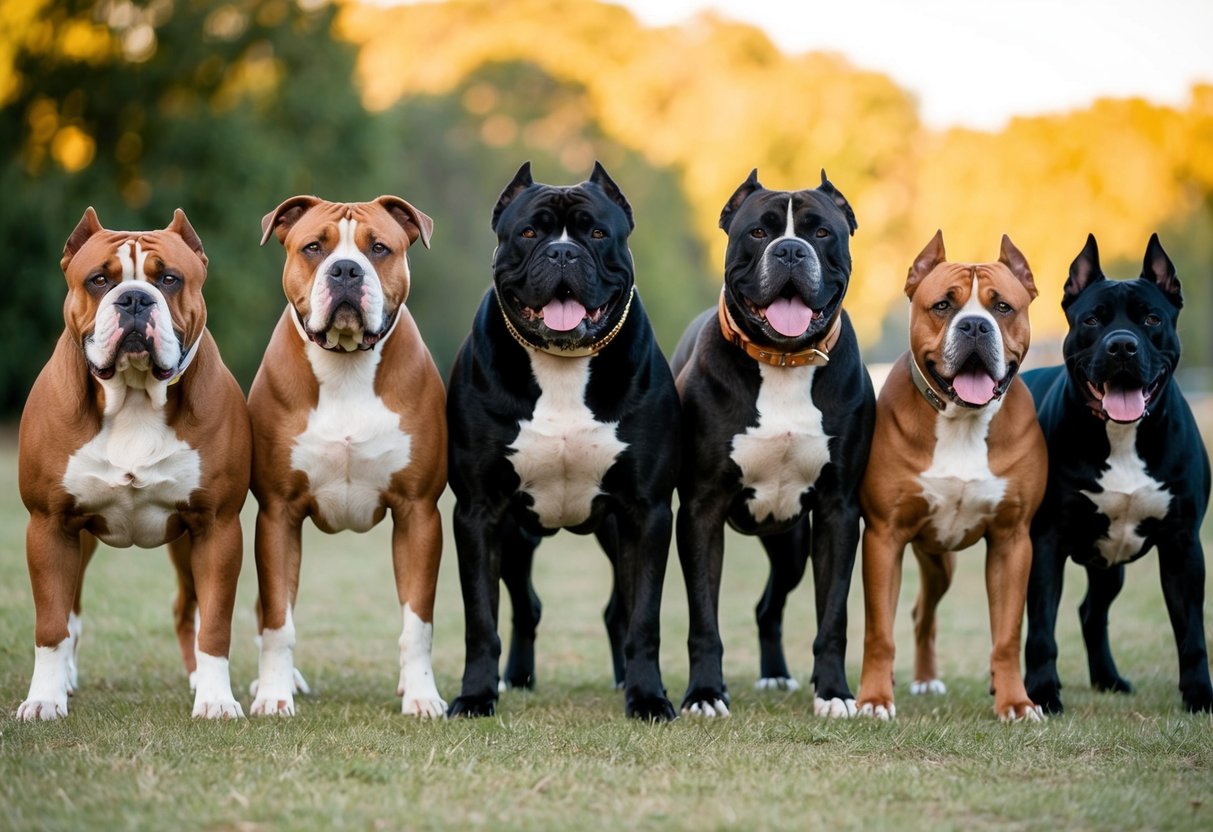
These incredible animals not only possess physical power but also showcase intelligence and loyalty, making them ideal companions in various roles. From service dogs to rescue helpers, their skills are as impressive as their strength.
Get ready to discover more about these remarkable breeds and find out which ones made the list of the strongest dogs in the world! Whether you’re a dog lover or just curious, there’s plenty to learn about these mighty canines.
Understanding Dog Strength

When considering the strongest dogs, it’s important to look at their physical attributes and unique abilities. Two key factors that determine a dog’s strength are their physical build and bite force. Understanding these elements will give you a clearer picture of what makes certain dog breeds particularly strong and powerful.
Physical Attributes
The physical build of a dog is crucial to its strength. Powerful dogs often have a solid, muscular frame that allows them to perform demanding tasks.
Key Physical Traits:
- Muscular Build: Strong dogs, like the Cane Corso and Rottweiler, have well-defined muscles. This aids in endurance and agility.
- Bone Density: Breeds with thicker bones can support greater weight and stress, contributing to their overall robustness.
- Size: Larger breeds often have more muscle mass, helping in strength compared to smaller breeds.
These traits enable dogs to perform functions like guarding or pulling heavy loads effectively. A solid physical structure is essential for any strong dog.
Bite Force and Musculature
Bite force is another significant aspect of a dog’s strength. It refers to the pressure a dog can exert with its jaws.
Factors Influencing Bite Force:
- Jaw Structure: Breeds like the Kangal have strong jaws that create remarkable bite force, rated at over 700 PSI.
- Muscle Strength: Dogs with powerful neck and jaw muscles can bite harder and hold their grip longer.
Bite force is important for tasks that require apprehending or detaining. Understanding this force helps you appreciate why some dogs excel in protection or working roles. The combination of strong musculature and bite power sets these breeds apart as some of the strongest dogs in the world.
Top 10 Strongest Dog Breeds
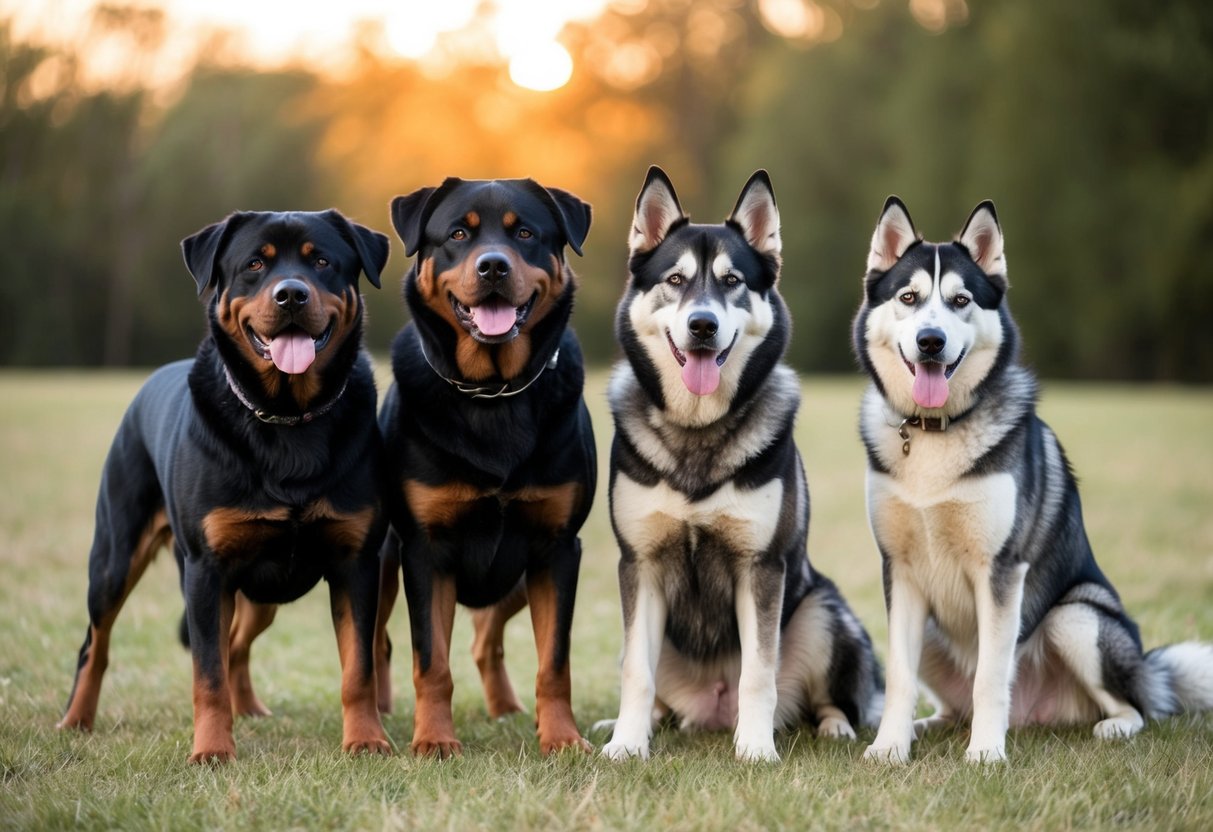
When it comes to strength in dogs, there are certain breeds that stand out. These breeds are known for their power, stamina, and impressive physical abilities. Here’s a look at the top ten strongest dog breeds you might consider.
Kangal
The Kangal is a true powerhouse. Originally from Turkey, this breed is known for its strong bite force, which measures around 743 PSI. They are protective and loyal, often used as livestock guardian dogs.
Their strong build, with males weighing between 110 to 145 pounds, combines power and agility. Kangal dogs have a calm demeanor but are courageous when needed. Their size and strength make them excellent protectors.
Mastiff Varieties
Mastiffs are among the largest dog breeds, celebrated for their size and strength. The English Mastiff can weigh up to 220 pounds or more. They have a solid body and a gentle temperament. Often seen as great family pets, they are protective.
Different types, like the Bullmastiff, combine strength and loyalty. These dogs require proper training to ensure their strength is directed positively. Overall, Mastiffs are gentle giants that can be formidable protectors.
Rottweilers
Rottweilers are strong and confident. Weighing between 80 to 135 pounds, they are muscular and agile. Their intelligence and loyalty make them popular working dogs in various fields, including police and service work.
Rottweilers are known for their protective instincts. They form strong bonds with their families and need socialization from an early age. With proper training, they can be both powerful and loving companions.
Irish Wolfhounds
Irish Wolfhounds are not just tall; they are also incredibly strong. This breed can stand up to 32 inches tall and weigh between 140 to 180 pounds. Their strength allows them to hunt large game, which they historically did in Ireland.
Despite their size, they have a gentle and friendly disposition. They are known for being great with children and other pets. Their combination of strength and kindness makes them unique in the dog world.
Siberian Huskies and Alaskan Malamutes
Both Siberian Huskies and Alaskan Malamutes are strong, working breeds. Huskies generally weigh between 35 to 60 pounds, while Malamutes can weigh up to 100 pounds. They were bred for pulling sleds through harsh conditions.
Their endurance and strength help them thrive in colder climates. Huskies are friendly and social, while Malamutes are more independent. Both breeds require a good amount of exercise and mental stimulation.
Saint Bernards and Great Danes
Saint Bernards are known for their massive size and strength. Weighing between 120 to 180 pounds, they are gentle giants. Great Danes, on the other hand, can weigh up to 175 pounds and stand tall at around 30 inches.
Both breeds are friendly and good-natured. They may not be aggressive, but their sheer size can be intimidating. Proper training is essential to ensure they understand their strength and behave accordingly.
Dogo Argentino
The Dogo Argentino is a robust breed known for its strength and athleticism. This breed was developed in Argentina for big-game hunting. They weigh between 80 to 100 pounds and are very muscular.
Dogo Argentinos are known for their loyalty and courage. They are protective of their families and require training to channel their energy positively. This breed needs an experienced owner to thrive.
American Pit Bull Terrier
American Pit Bull Terriers are strong and determined. Their muscular build allows them to perform various tasks, from hunting to agility sports. Typically weighing around 30 to 65 pounds, they pack a strong punch.
These dogs are often misunderstood due to negative stereotypes. With proper training, they can be loving and loyal family members. Their strength, when combined with a good upbringing, can make them wonderful companions.
Doberman Pinscher
Doberman Pinschers are known for their intelligence and strength. Weighing between 60 to 100 pounds, they are sleek and powerful. Often used in security roles, they are alert and protective.
These dogs are extremely loyal and can form strong bonds with their families. They thrive on training and require mental stimulation. Proper socialization is key to their development as well-rounded pets.
Roles and Responsibilities of Strong Breeds
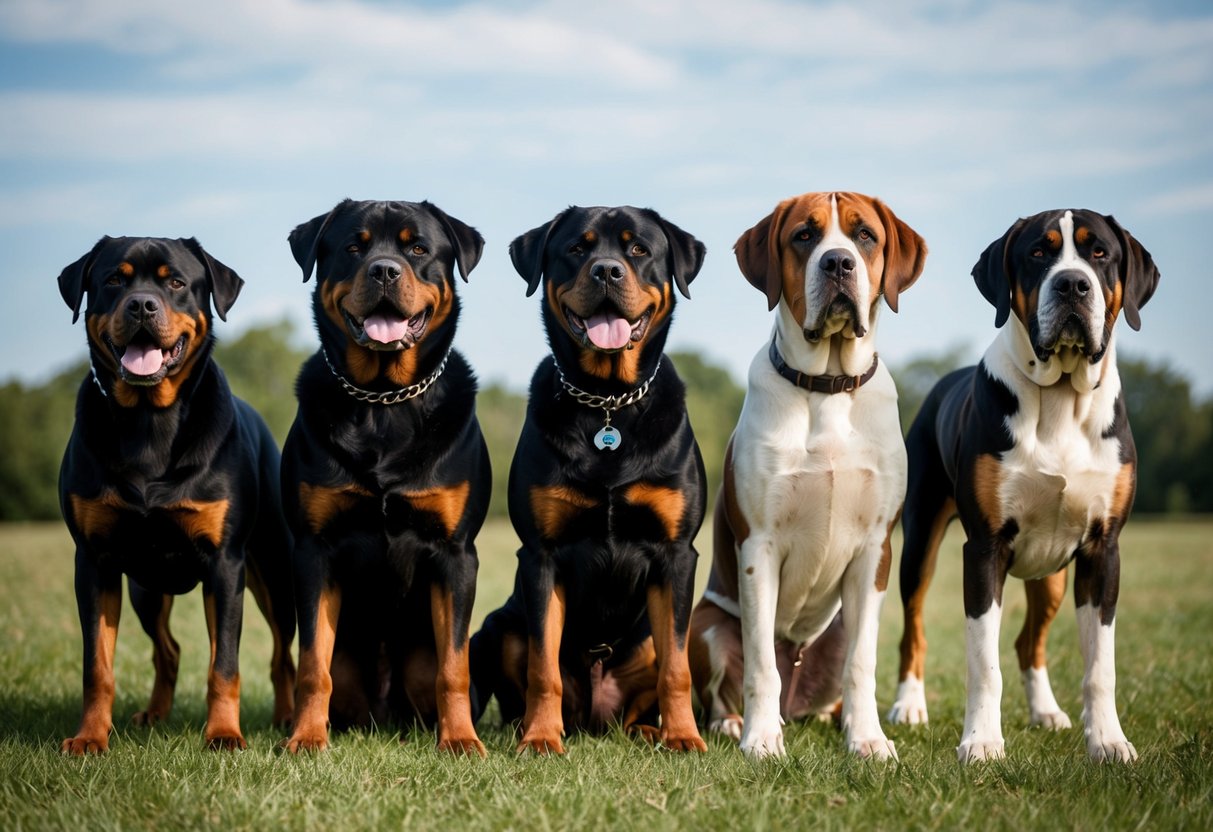
Strong dog breeds often take on important roles in various settings. They can be loyal companions or dedicated professionals. Their size and strength give them unique responsibilities, which you’ll find valuable to understand more.
Working Dogs and Protection
Many strong breeds are known as working dogs. They are often trained for specific jobs. Some act as guard dogs, protecting homes and properties with their fierce loyalty and alertness.
Police dogs play a vital role in law enforcement. They help officers in tracking criminals and can assist in drug detection. Their protective instincts make them well-suited for these roles.
Another important category is rescue dogs. They assist in locating missing persons during emergencies like earthquakes or floods. With their keen sense of smell and agility, they can navigate tough terrains to find people in need.
Family Pets and Companions
Strong breeds can make great family pets, too. Many of them are gentle giants known for their affectionate nature. Their robust build often provides a sense of safety for families.
Even though they may seem intimidating, these dogs can be incredibly loving and loyal. They bond strongly with their families and often serve as sources of comfort and joy.
When well-trained, breeds like the German Shepherd or Rottweiler can thrive in family settings, balancing their protective instincts with a caring demeanor. With the right training and socialization, they can blend seamlessly into family life while keeping you safe.
Care and Training for Strong Breeds
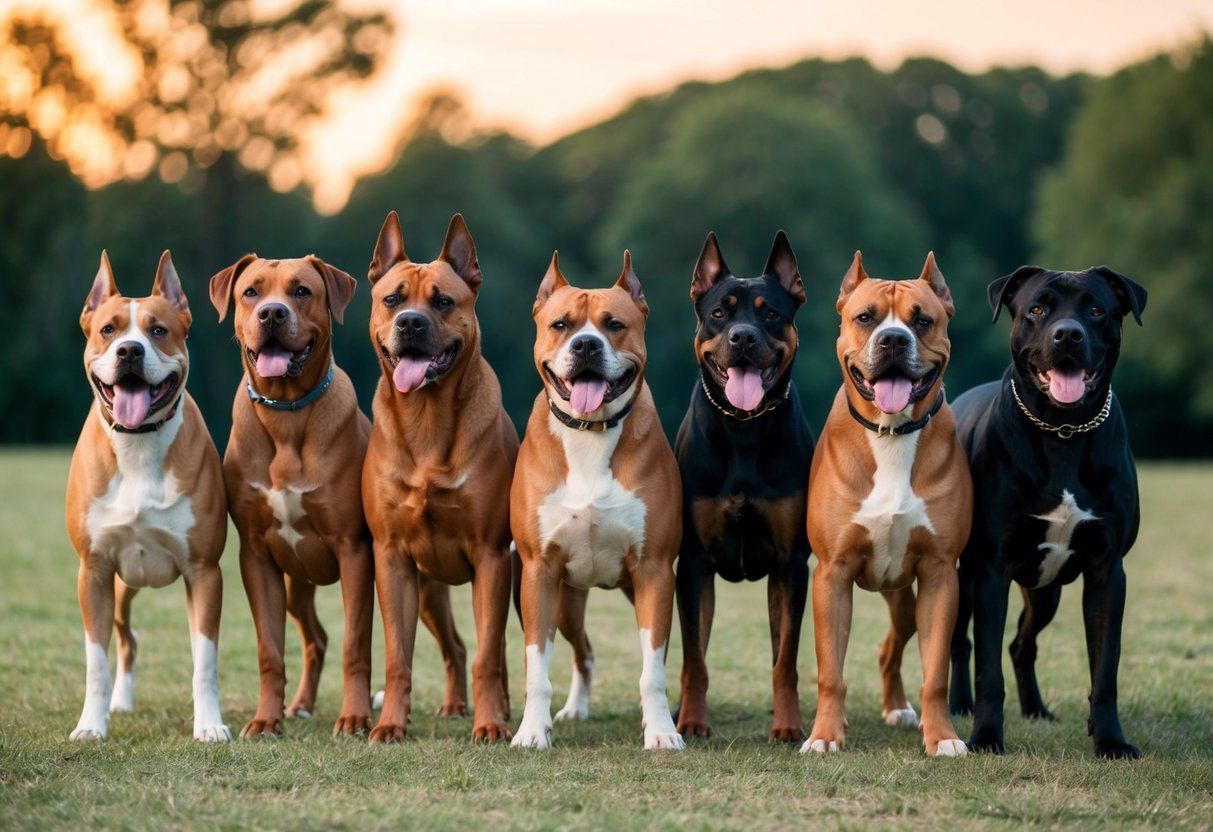
Caring for and training strong dog breeds requires attention to their social needs, physical exercise, and health. Understanding how to meet these needs will help you build a strong bond with your dog and ensure their well-being.
Proper Socialization
Socialization is key for strong dogs. Starting from a young age, you should expose your dog to different people, environments, and other animals. This helps them grow into well-adjusted pets.
Enroll your dog in puppy socialization classes or set up playdates with other dogs. Engaging in positive experiences can reduce fear and aggression. Always use reward-based training methods to encourage good behavior.
Remember, a well-socialized dog tends to be more confident and less likely to misbehave. The effort you put into socialization can pay off in a loyal, gentle giant.
Exercise and Endurance
Strong breeds need plenty of physical activity to stay healthy. Regular exercise keeps them fit and helps prevent behavioral issues. A daily routine should include walks, runs, or playtime in a secure area.
Aim for at least 60 minutes of exercise each day, depending on your dog’s age and breed. Engaging activities like fetch or agility training can provide a great outlet for their energy.
You could also consider activities that build endurance, such as hiking or swimming. A tired dog is a happy dog, and they will be more relaxed at home after a good workout.
Health Considerations
Strong breeds require special care for their health. Regular veterinary check-ups are essential to catch any potential issues early. Strong dogs can be prone to certain conditions like hip dysplasia or heart issues, so it’s vital to stay informed.
Make sure to maintain a balanced diet with high-quality dog food that meets their nutritional needs. Regular dental care, proper grooming, and vaccinations are also important for their health.
Remember that monitoring your dog’s weight is crucial. Obesity can lead to serious health problems. Keeping your dog in shape will enhance their overall quality of life.


