
Bumble bees are in trouble, and that’s honestly bad news for all of us. Their populations keep dropping because of habitat loss, disease, parasites, and climate change. When bumble bees vanish, the plants and crops we depend on take a hit too.
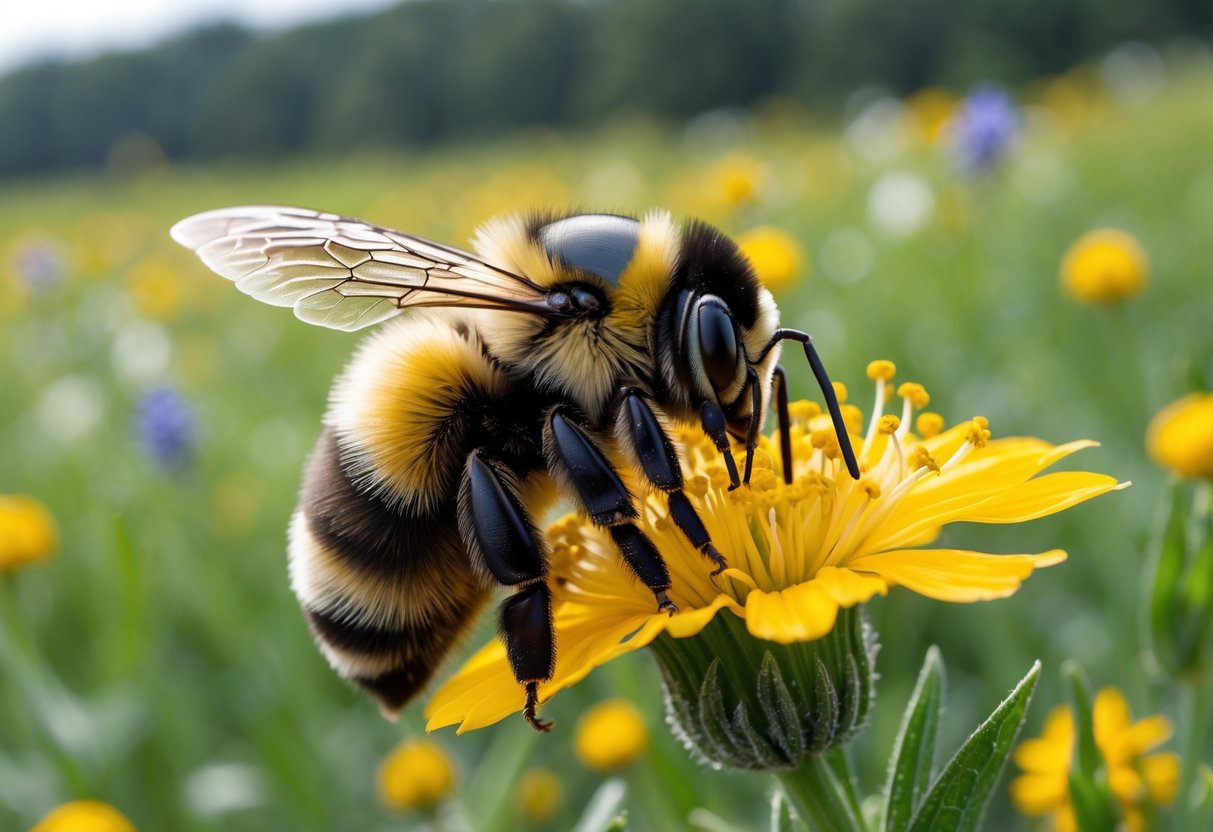
Maybe you don’t spot bumble bees all that often, but they’re some of the hardest-working pollinators out there. They help grow a ton of fruits and veggies.
Lately, their numbers have been falling faster than ever. Their nests overheat, and pests seem to bring more diseases than before.
These challenges stack up and make survival tough for bumble bees. When that happens, the environment and our food supply suffer.
It’s worth understanding why bumble bees are struggling. When you see the reasons, it’s easier to care.
Protecting their homes and cutting down threats really can help. Curious about the details? Scientists have been talking about new dangers, like extreme temperatures, in this article about the major factor in bumblebee decline.
Key Problems Facing Bumble Bees

Bumble bees deal with some pretty tough problems. These threats mostly come from how we change the environment and what we do.
Let’s talk about how pesticides, shrinking habitats, and climate shifts make life harder for these bees.
Impact of Pesticides
Farmers and gardeners use pesticides to kill pests. Sadly, these chemicals don’t just target the bad bugs.
Bumble bees get exposed when they visit flowers covered in pesticides. This weakens their immune systems and messes with their ability to find food or raise new bees.
Some pesticides even mess with bumble bees’ nervous systems. That makes it tough for them to navigate or communicate.
Honestly, this is a huge reason why species like the American bumblebee have dropped so much. Pesticide use connects directly to some bumble bees landing on the Endangered Species Act’s radar.
If you want to help, being thoughtful about pesticide use really matters.
Role of Habitat Loss
Bumble bees need wildflowers and natural spaces to live and eat. But when we clear forests, meadows, or fields for farms and roads, bees lose their homes.
You might notice fewer wildflowers in your area. That means fewer food options for bees.
In North America, losing native plants and open spaces has hit bumble bee populations especially hard. They end up with fewer places to nest and eat.
Without enough habitat, colonies just can’t survive. Restoring these natural areas gives bumble bees a fighting chance.
Effects of Climate Change
Climate change brings unpredictable temperatures and weird weather patterns. Sometimes, spring comes too early or winter drags on.
This throws off the timing between when flowers bloom and when bees are active. Suddenly, bumble bees can’t find food when they need it most.
As climates shift, bees get pushed into smaller or less suitable spaces. Local bumble bee populations might not adapt fast enough.
Species like the western bumble bee have really struggled when climate and land use change at the same time. Keeping an eye on these changes helps us figure out how to support bumble bees as the planet warms.
Why Bumble Bees Matter for Ecosystems

Bumble bees are absolutely essential for nature and food production. They keep plants growing and help ecosystems stay balanced.
Without bumble bees, a lot of wildflowers and crops just wouldn’t get pollinated.
Bumble Bees as Essential Pollinators
Bumble bees move pollen between flowers, making seeds and fruits possible. That’s true for wild plants and for crops like tomatoes and berries.
They’re especially good at pollinating in cold weather, when other bees just aren’t around. Your gardens, local parks, and farms all benefit from their work.
The American bumblebee, for example, supports native plants by pollinating flowers that other insects skip. That’s pretty cool, right?
Because they visit so many kinds of plants, bumble bees help keep nature diverse. Their work supports birds, small mammals, and a bunch of other creatures by keeping plants healthy.
Consequences for Ecosystems and Agriculture
When bumble bee numbers drop, lots of plants just don’t get pollinated. That shift ripples through entire ecosystems.
Plants feed and shelter so many animals. If there are fewer plants, you’ll see fewer animals too.
Agriculture takes a hit as well. Many fruits and veggies really depend on bumble bees.
Without these bees, crops like blueberries and pumpkins might not give us as much food. That means less variety and less abundance at your table.
Honestly, climate change and habitat loss keep making things tougher for bumble bees. Their decline spells trouble for wild environments and for what we eat.
If you want to dig deeper, check out this detailed source on bumblebee behaviors and their impact on ecosystems.


