
Badgers are fascinating creatures that play a vital role in our ecosystem. Unfortunately, they are often targets of wildlife crime, which can lead to serious legal consequences. The Protection of Badgers Act 1992 states that you may face up to six months in prison if you kill a badger. This legislation is designed to protect these animals from harm and ensure their survival in the wild.

It’s important to be aware of the laws that exist to keep badgers safe. Ignorance of these regulations doesn’t excuse breaking the law. If you are caught harming, injuring, or killing a badger, you could also be fined or face other penalties. Understanding the legal framework around wildlife crime can help you appreciate the significance of protecting badgers and their natural habitats.
As you read on, you will discover more about the protections in place for badgers, the reasons behind these laws, and how you can contribute to wildlife conservation. Knowing the rules not only keeps you informed but also helps in fostering a thriving environment for these amazing animals.
Legal Protections for Badgers
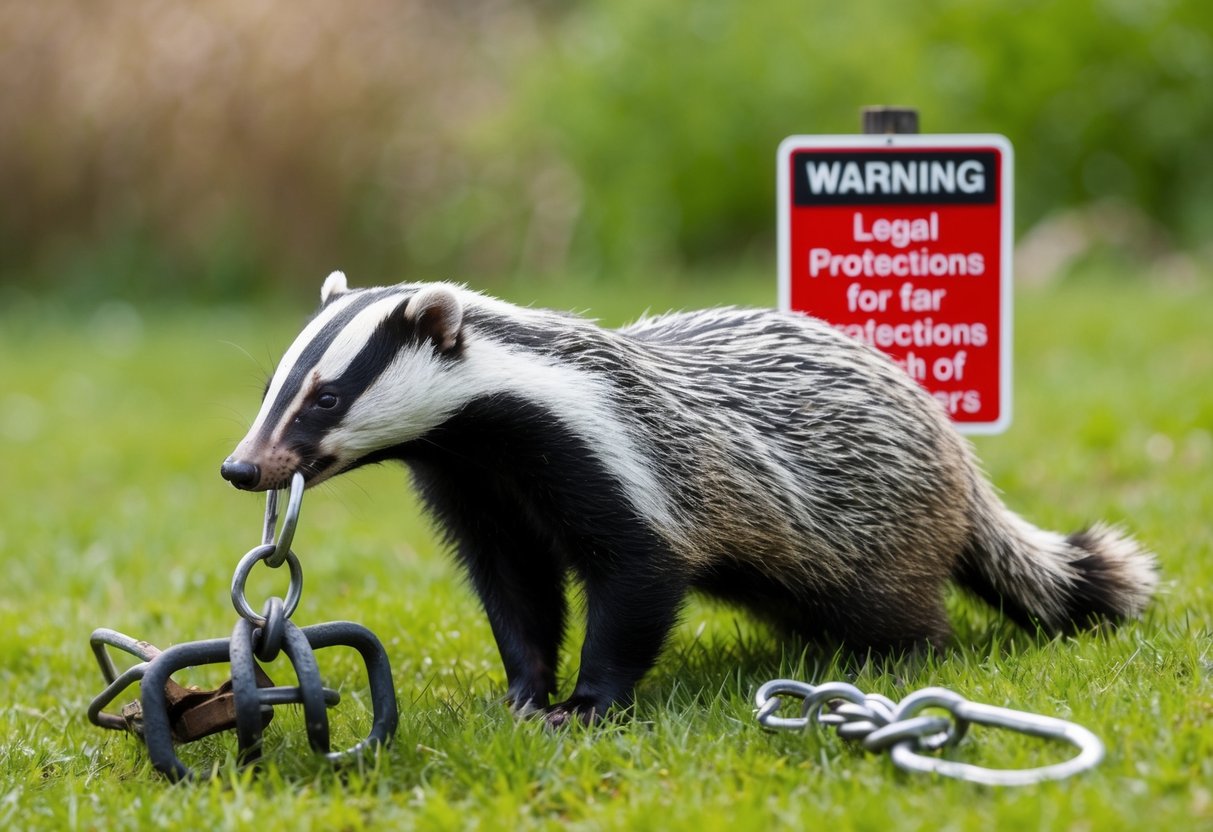
Badgers are protected by several key laws in the UK. These laws aim to ensure their safety, especially concerning their setts and the threats they face. Understanding these protections is essential for anyone interested in wildlife conservation.
Protection of Badgers Act 1992
The Protection of Badgers Act 1992 is the main law safeguarding badgers in England and Wales. Under this act, it is illegal to kill, injure, or disturb badgers or their setts. A badger sett is where badgers live and raise their young.
If someone violates this law, they could face a fine or even a prison sentence of up to six months. The act is crucial because it was established to prevent the historic persecution of badgers. It helps combat activities like badger baiting, which involve cruel killing or injury.
Wildlife and Countryside Act 1981
The Wildlife and Countryside Act 1981 also plays a role in protecting badgers. This law protects wildlife habitats and specifically includes badgers as a species requiring special consideration.
Under this act, it is illegal to damage or destroy badger setts during construction or land development. If you encounter a sett, it’s essential to avoid disturbing it. The penalties for breaching this act can be severe, reflecting the government’s commitment to wildlife protection.
Badgers Act 1973 and Subsequent Amendments
The Badgers Act 1973 was the first legislation to offer protection to badgers. Though it laid the groundwork, it had many weaknesses that were addressed in later amendments. The Badgers (Further Protection) Act 1991 strengthened these protections.
These acts collectively prohibit activities that harm badgers, such as illegal hunting and badger baiting. They ensure that badgers receive the necessary safeguards against cruelty. The laws demonstrate the progress made in wildlife conservation over the years.
These protections are vital in helping maintain the badger population and preserving their natural habitats.
Offenses and Penalties

Killing a badger or interfering with its habitat comes with serious legal consequences. Knowing these specifics can help you navigate the rules surrounding badgers and protect them safely.
Killing, Injuring, or Taking Badgers
Under the Protection of Badgers Act 1992, it’s illegal to take, injure, or kill a badger. Offenders can face a fine of up to £5,000 or a prison sentence of up to six months. In severe cases, such as repeated offenses or malicious intent, penalties can be much harsher. Badger baiting, which involves training dogs to attack badgers, is a serious criminal offense as well, often resulting in heavy fines or imprisonment.
Interference with Badger Setts and Habitats
Interfering with badger setts can also lead to legal trouble. The Protection of Badgers Act prohibits disturbing badger setts, which are homes for these animals. Activities like digging for badgers or using heavy machinery near a sett without permission can lead to fines up to £5,000. If you cause harm or damage to their habitat, you may face even steeper penalties. It’s essential to respect these homes to ensure badgers remain safe and undisturbed.
Possession and Cruel Practices
Possessing live badgers is illegal unless you have specific permits. Under the Animal Welfare Act, badgers must not be subjected to unnecessary suffering. If you’re found engaging in cruel practices, like badger baiting or keeping a badger in poor conditions, you could be prosecuted. Penalties for such actions can include fines, potential imprisonment, and animal confiscation. Awareness of these laws helps in preventing wildlife offenses and promoting safe interactions with badgers.
Conservation and Reporting

Protecting badgers is crucial for their survival and overall ecosystem health. You can play a part by understanding conservation efforts and knowing how to report wildlife crimes effectively.
Conservation Efforts and Protected Areas
Badgers are protected under the Protection of Badgers Act 1992. This law makes it illegal to harm or kill them. Organizations like the Badger Trust work tirelessly to promote badger welfare.
Defra (Department for Environment, Food & Rural Affairs) also aids in conservation. They focus on creating protected areas where badgers can thrive without threats.
Natural England helps manage these habitats. They ensure that areas remain safe for badgers while educating the public about their needs. You can support these efforts by respecting wildlife areas and spreading awareness about badger protection.
Reporting Badger Crimes
If you suspect badger crimes, your voice matters. Report any incidents to a wildlife crime officer or call local authorities. Badger persecution includes disturbing their setts or engaging in badger baiting, which is a serious wildlife offense.
Always provide as much detail as possible, like the location and nature of the crime. You can also contact the Badger Trust for guidance on reporting. Taking action helps enforce the Environmental Protection Act 1990, which aims to prevent harm to wildlife.
Remember, your vigilance can help protect badgers and keep their populations healthy.
Contextual Issues Affecting Badgers

Understanding the challenges badgers face is essential to appreciating their protection. Factors such as government policies and illegal activities can significantly impact their well-being and habitat.
Badger Cull and Bovine TB
The badger cull is a controversial method implemented in some areas to control the spread of bovine tuberculosis (TB). The government permits this practice to reduce TB cases in cattle, as badgers can carry the disease.
The culls can lead to reduced badger populations and disrupt their natural habitats. Critics argue that culling is not the solution. They suggest that improving cattle management and biosecurity may be more effective in controlling disease spread.
Animal welfare advocates stress the importance of considering the long-term consequences for badger populations and the ecological balance of the countryside.
Wildlife Crime in Context
Wildlife crime is a significant issue for badgers. For example, badger baiting is a cruel practice that involves training dogs to attack badgers. This can lead to serious injuries or death.
Such actions not only harm badgers but also violate the Protection of Badgers Act 1992, which safeguards these animals. Penalties for these crimes can include fines or imprisonment for those who are caught.
Moreover, illegal activities like lamping can disturb badger habitats. This can drive badgers away from their setts and interfere with their natural behaviors. Protecting badgers means addressing these threats and enforcing laws designed to keep them safe.


