
When you picture the most colourful bird in Britain, maybe you think of a sudden flash of feathers or a burst of bold colours lighting up the sky.
Most people call the goldfinch the most colourful bird in Britain because its mix of red, yellow, white, and brown feathers just pops out in gardens and parks. Its bright red face and those yellow wing patches really make it stand out—you won’t forget it once you spot one.

You might have also seen kingfishers with their stunning blue and orange, or the wild mix of greens and purples on a mandarin duck. But honestly, the goldfinch’s colours and patterns are something else if you want a bird that brings real brightness to your backyard or a countryside walk.
Wondering what makes the goldfinch so special? Let’s dive in and see where you can spot it—and a few other colourful feathered locals.
Britain’s Most Colourful Birds
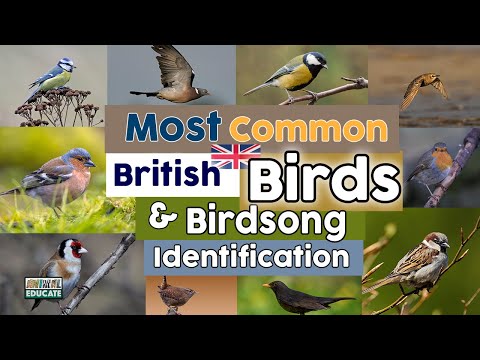
You’ll find some of Britain’s brightest birds right in gardens and parks. These birds show off reds, blues, yellows, and even pinks.
They bring a much-needed splash of colour to all that green and grey.
Goldfinch: Red Faces and Yellow Wings
Goldfinches are some of the most eye-catching birds around. Their bright red faces, white cheeks, and mix of tan, black, and white feathers make them easy to recognise.
But honestly, those yellow wing patches steal the show every time.
These birds are small and lively, always on the hunt for seeds at feeders. People used to catch them for cages, but now laws protect them.
If you see one, you might think it looks like a tiny, flying piece of art.
Blue Tit: Nature’s Little Jewel
Blue tits show up all over the place, but their colours never get old. They wear bold blue caps and wings, with a bright yellow belly and white cheeks outlined in black.
This combo of blues and yellows makes them pop in trees or at feeders.
Curious by nature, blue tits often visit gardens. You might catch them hanging upside down on branches, searching for insects or seeds.
They live in towns, woods, and parks, and their cheerful colours really do brighten up any spot.
Kingfisher: Splashes of Azure
Kingfishers aren’t easy to find, but you won’t forget them. Sometimes you’ll see a flash of brilliant blue and orange as they zip over rivers or canals.
Their blue wings and backs shine in the sun, while their chests are a bold orange.
Kingfishers hunt small fish and insects. You might spot one perched quietly by the water, waiting to dive.
Their colours make them one of Britain’s most celebrated birds—even if your glimpse is brief.
Bullfinch: Pink Chested Beauty
Bullfinches are a treat if you love birds. Males wear soft pink bellies and cheeks that stand out against dark heads.
Females look similar but swap the pink for muted greys.
They’re shy and often quiet, but sometimes they’ll visit gardens in spring for buds or in winter for seeds.
Their colours aren’t flashy but have a unique, gentle charm. If you spot a male up close, it’s a real delight.
Other Bright British Bird Species and How to Spot Them

Britain’s got plenty of colourful birds beyond the classics. Some catch your eye with bold patterns, while others win you over with their tiny size or unusual colours.
If you know what to look for, spotting them gets easier.
Great Spotted Woodpecker: Striking Spotted Patterns
The great spotted woodpecker really stands out with its black and white feathers, covered in bold spots and bars. Its back is mostly black, but those big white shoulder patches are hard to miss.
Males sport a bright red patch on the back of their heads, while females don’t.
You’ll often catch this woodpecker clinging to tree trunks, tapping away for insects. Watch for flashes of red under its tail as it flies.
The lesser spotted woodpecker looks similar but is smaller and less common.
Listen for loud drumming on wood if you want to find these birds, especially in woods or parks with old trees.
Robin: Famous Red Breast
Robins are probably the easiest birds to recognise in Britain. Their round shape and bright orange-red breast stand out, and sometimes you’ll hear their sweet, clear song before you even see them.
They’ve got brown backs and faces, which contrast with that warm orange on their chest and face.
You’ll often spot robins hopping low among bushes or on lawns, searching for insects and worms.
Robins stay active all year, but you’ll notice them most in quieter places where they defend their little territories.
Wren and Goldcrest: Tiny Charmers
Wrens and goldcrests are tiny but surprisingly colourful. Wrens look brown, with fine bars on their wings and tails, often held upright.
They’re noisy for their size, with a loud, complicated song.
Goldcrests are the UK’s smallest birds. They’ve got bright yellow crests edged in black on their heads, olive-green backs, and pale bellies.
You might see them flitting through branches or at feeders in winter.
Both birds prefer dense shrubs or woodland edges. Often, you’ll hear them before you see them—listen for their distinctive calls and watch for quick, darting movements.
Jay and Yellowhammer: Unmistakable Colour
Jays show off soft pinkish-brown bodies, with those striking blue and black patches on their wings—especially obvious when they’re in flight. You’ll probably notice their black mustaches and the white patches near their heads right away.
These birds mostly hang out in woodlands. They’re clever, too—jays love hiding acorns, almost like they’re playing a secret game.
Yellowhammers, in contrast, have this bright yellow head and chest that really pop, along with chestnut wings and a brown back streaked with darker lines. You’ll usually find them around farmland or hedgerows.
Their song? It’s pretty upbeat, kind of like they’re saying, “a little bit of bread and no cheese.” That tune sticks with you.
If you’re out walking, look for the jay’s flashes of blue in the trees or even on the ground. And don’t be surprised if you spot a yellowhammer perched out in an open field, belting out its song on a sunny day.


