
If you’ve watched Pixar’s short film For the Birds, you might find yourself wondering what it’s really trying to say. Basically, the big lesson here is about bullying—and how pushing others out can come back to bite the group. The little birds tease and shove the bigger bird away, but in the end, they’re the ones who deal with the fallout.
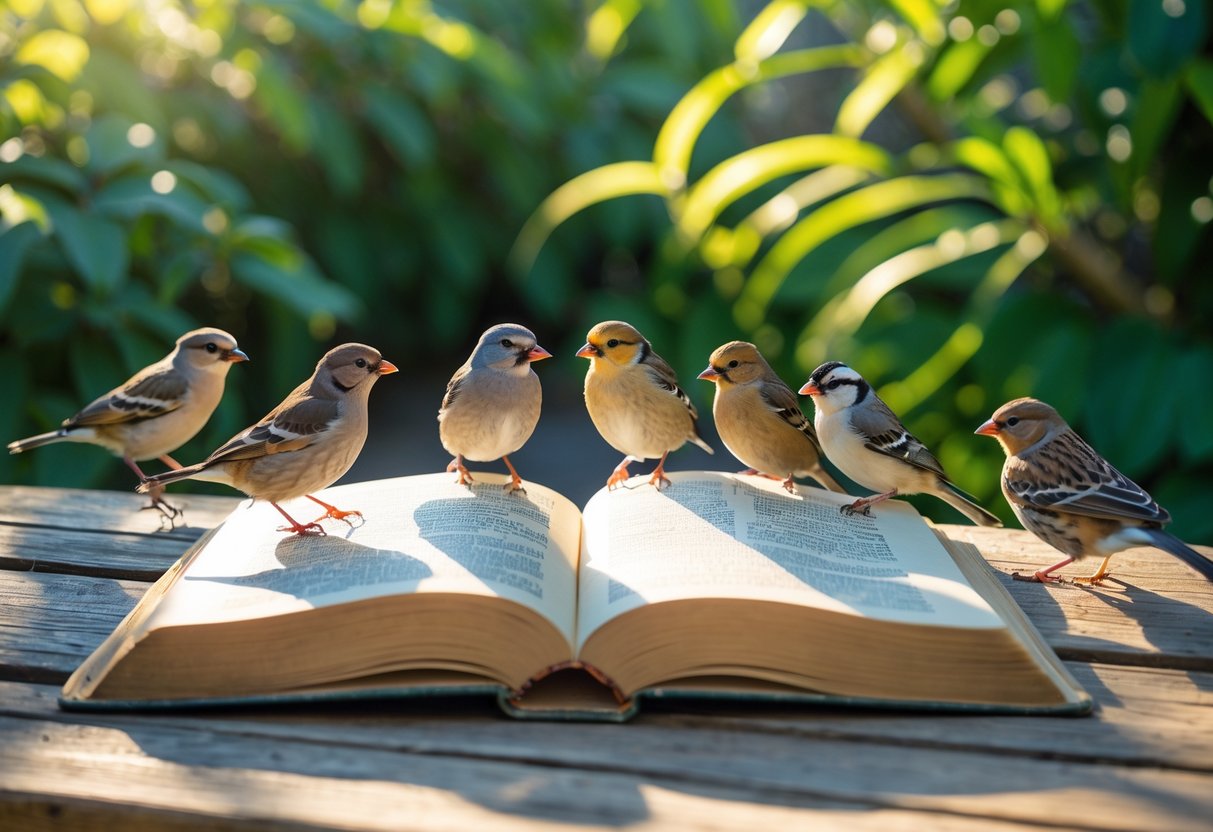
This story uses humor and simple actions to show how unfair it feels when you treat someone badly just because they’re different. It nudges you to notice how groups sometimes act together, maybe without really thinking about the impact on others.
If you’re curious about what this funny, quick film can teach, stick around.
Central Lesson and Key Themes in For the Birds
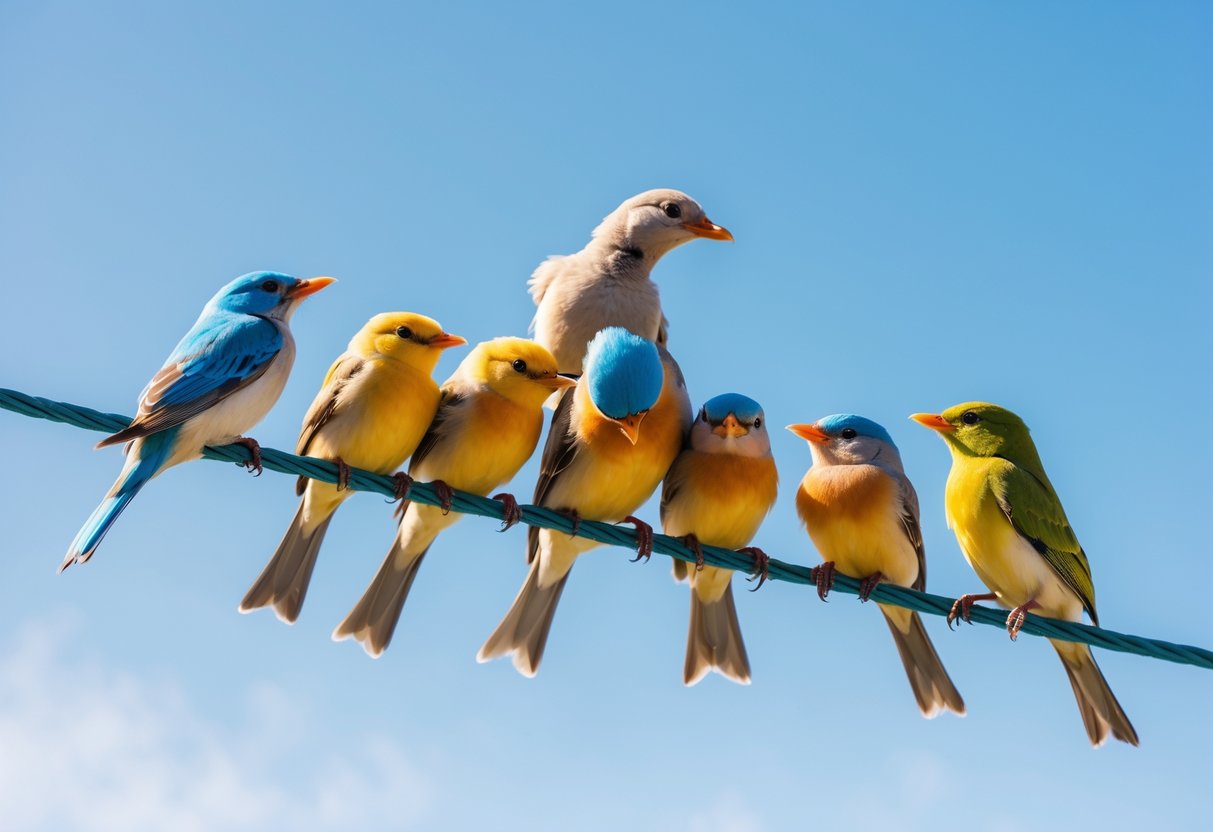
For the Birds lays out how fast your judgments and choices can impact others. The way you treat people who don’t fit in can lead to some pretty surprising results.
You actually see how decisions about kindness, acceptance, and group behavior play out in a way that’s hard to ignore.
Understanding the Main Message
The film’s main message? Being different is perfectly fine and deserves respect.
The little birds instantly shut out the big bird just because he looks different.
Their reaction really shows how judging others before you know them can cause trouble. The story pushes you to think before you leave someone out or make fun of them.
Groups sometimes act just to keep things the same, and that can hurt people who don’t fit in.
Bullying and Acceptance
The small birds in For the Birds bully the big bird by mocking him and trying to push him away. Their actions sting, and you can tell bullying hurts.
Usually, bullying comes from fear or just being uncomfortable with what’s different. The little birds act that way because the big bird isn’t like them.
Acceptance is the flip side. When you accept someone, you treat them kindly—even if they seem odd or new.
The film reminds you that it’s important to welcome others, not push them out.
Acceptance builds a group where everyone feels safe. Bullying just leads to hurt and problems for everyone.
Importance of Kindness
Kindness pops up as a huge theme in For the Birds. The little birds could’ve just been nice and let the big bird join them, instead of making fun of him.
Choosing kindness means showing respect and a little patience. When people act kind, friendships get stronger and the whole group feels better.
At the end, the big bird laughs. Maybe that’s a hint that, in the end, kindness usually wins out over being mean.
Kindness means trying to understand someone, even if they seem weird or different.
It can stop problems before they get big, and it keeps people connected.
Consequences of Behavior
Your actions have real consequences, and For the Birds makes that obvious. The little birds end up in a funny mess when the wire bends and they all get squished together.
This happens because they tried to force the big bird off. When you act mean or push someone out, it can backfire in ways you didn’t see coming.
The big bird gets the last laugh, honestly. Bullying or being unkind doesn’t protect you—it might just turn the tables.
How you treat people matters, not just for them, but for you and everyone around you.
Learn more about For the Birds’ lesson plan and themes.
Classroom Activities and Teaching Strategies

Teachers can use “For the Birds” to dive into fairness, group behavior, and power in a way that’s fun and easy to grasp. Try guided discussions, interactive activities, and worksheets to help students connect with these ideas through the story.
How to Use For the Birds in a Lesson Plan
Start off by showing the “For the Birds” short film—it grabs attention right away. Use it to kick off a talk about how groups act and why fairness counts.
Let students share why they think the little birds left out the big bird. This helps them build empathy and think more deeply.
Try role-playing scenes from the film. When students step into the birds’ shoes, they get to explore feelings and motives up close.
Break your lesson into parts: watch the film, talk it over, then do an activity or worksheet. This keeps things moving and students interested.
Discussion Prompts and Student Engagement
Ask simple questions to get students thinking. For example:
- Why did the small birds act mean to the big bird?
- Was the big bird right to want to join the group?
- When is it okay to exclude someone?
These questions open up conversations about fairness and group rules.
Invite students to connect the story to their own lives—maybe times they felt left out or saw someone else get excluded.
Encourage everyone to listen respectfully during discussions. Set some ground rules for group talks before you start.
Worksheet Ideas for Theme Exploration
Try making worksheets that get students to spot the main idea and notice how the characters feel.
Use sections like:
| Section | Activity Idea | Goal |
|---|---|---|
| Characters | List how each bird acts and feels | Understand behavior |
| Fairness | Write if the birds were fair or not | Develop judgment |
| Group Rules | Describe how groups decide behavior | Learn about social rules |
Add in some drawing tasks—maybe have kids illustrate a scene or dream up a new ending.
These worksheets let students sort out their thoughts and get more out of the film’s message.
You can always tweak them for different grade levels.


