
Ever wondered just how smart chimpanzees are? You’re definitely not the only one. Scientists usually estimate a chimp’s IQ somewhere between 40 and 60, which lands them about where a 3 or 4-year-old human child might be.
Chimps solve problems, use tools, and show off social skills that honestly reveal a surprising level of intelligence.

Chimpanzee IQ scores don’t match up with human tests because chimps don’t use language or culture the way we do. Instead, their smarts show up in things like fishing termites with sticks or cracking nuts open with rocks.
Watch them for a bit, and you’ll see just how clever they really are in their own world.
Curiosity about chimp brainpower? That’s a great place to start if you want to learn how these animals think, solve problems, and communicate. Dive in and see what makes chimp intelligence so fascinating. Comparing their IQ to ours gets tricky, but it’s still interesting. If you want more details, check out this guide on chimpanzee IQ.
IQ of a Chimpanzee: Estimates and Interpretation
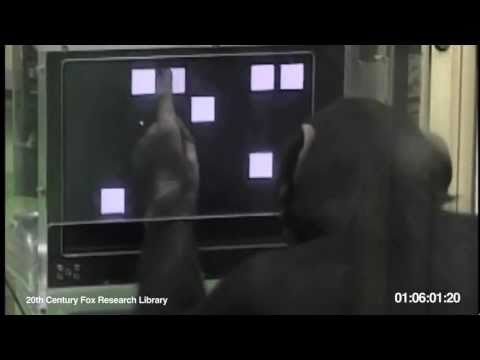
Measuring chimpanzee IQ isn’t straightforward because their brains work differently than ours. Scientists use a few different methods to estimate their intelligence, compare it to humans, and think about the limits of these comparisons.
Understanding these points helps you see what chimp IQ scores actually mean.
How Chimpanzee IQ Is Measured
Researchers estimate chimpanzee IQ by watching how they solve problems and looking at brain size. One method uses the Encephalization Quotient (EQ), which compares brain size to body size. Chimps have an EQ of about 2.35, and if you put that on a human scale, it’s something like an IQ between 35 and 60.
Scientists observe chimps using tools—like sticks for termites or rocks for nuts—and learning from each other. They also set up puzzles to see how chimps figure things out.
These behaviors give us a window into their thinking, but honestly, they don’t capture everything about how a chimp’s brain works.
Because chimps can’t take human IQ tests, researchers rely on what they see and compare it to human abilities. The IQ numbers for chimps are just rough guides, not exact scores.
Average IQ Scores Compared to Humans
Most estimates put a chimp’s IQ somewhere between 35 and 60. That’s about the same as a human toddler, maybe 3 or 4 years old. Chimps can understand simple problems, do a bit of planning, and use tools pretty well.
For instance, chimpanzees come up with clever ways to get food, which shows they’re thinking beyond just instinct. Their social skills—gestures, emotions, all that—also reflect this level of smarts.
But keep in mind, these scores don’t mean chimps think just like humans. Instead, they show mental abilities that overlap with early child development.
Limitations of Comparing Human and Chimpanzee IQ
Human IQ tests focus on language, math, and logic—stuff chimps don’t really use. Because of that, you can’t fully measure chimp intelligence with our tests. Chimps think and learn in ways that don’t fit those molds.
Chimps excel at survival, tool use, and social learning in their own environment. These skills need different mental processes, and IQ tests just don’t catch that.
So, when you see a chimpanzee’s IQ score, treat it like a rough estimate. It lets you compare basic thinking skills, but it definitely doesn’t show the whole story of their cleverness.
Want to dig deeper? Check out What is the IQ of a Chimpanzee? Understanding Primate Intelligence.
Understanding Chimpanzee Intelligence

Chimpanzees show off smart behaviors that help them survive and interact. They solve problems, use tools, and communicate with their group in all sorts of ways.
Their intelligence includes knowing when to use objects to get food and picking up on emotions in their friends.
Cognitive Abilities and Problem-Solving Skills
Chimps think ahead and work out ways to solve puzzles. They’ll use sticks to grab insects or rocks to crack open nuts.
They don’t just act on impulse—they plan things out.
Chimps often figure out new solutions by watching others. They learn by copying and remembering what works. That kind of problem-solving is right up there with a 3 or 4-year-old human.
You’ll see them handle challenges in the wild by using memory and quick thinking. Their brains help them adapt and get food in pretty clever ways.
Communication Methods and Social Intelligence
Chimpanzees communicate with sounds, facial expressions, and hand gestures. You might see them warn about danger or invite a friend to play using these signals.
They care about each other’s feelings. If one gets upset, others might hug or groom to help calm things down.
That shows they understand emotions and can show kindness.
Their social skills keep the group tight. Chimps depend on each other’s ability to communicate well to stay safe and work together. Trust and teamwork really matter in their lives.
Tool Use and Cultural Learning
Chimpanzees don’t just rely on instinct when it comes to tools. They actually pick up these skills by watching others in their group.
Younger chimps tend to observe the older ones and then try out using sticks or stones to get food. It’s almost like they’re attending a hands-on workshop in the wild.
Different groups of chimps have their own unique tool habits. One group might use sticks to fish for termites, while another prefers to smash nuts open with rocks.
These habits feel a lot like family traditions, passed down from one generation to the next. Sometimes, you’ll notice they even build on what they’ve learned and invent new tools.
That kind of learning really highlights how flexible chimpanzee intelligence can be. It’s probably a big reason they manage to thrive in so many different places.
If you’re curious about how chimps learn and think, you can check out chimpanzee intelligence studies.


