
Ever wondered what puts chimpanzees at the greatest risk? Honestly, it’s pretty clear: habitat loss is the biggest threat to chimpanzee survival.
These amazing apes—Pan troglodytes, if you want to get technical—really need huge stretches of forest for food, shelter, and their social lives.
When humans clear forests for farming, logging, or new buildings, chimps lose the places they rely on.

But there’s more to it. Hunting and diseases hit chimps hard too.
Some people hunt chimps for meat or snatch up young ones to sell as pets, splitting up families in the process.
And because chimps are so closely related to us, diseases can spread between humans and chimps with surprising ease.
If you care about these great apes and want to know how we can actually help, let’s dig into the biggest challenges facing them right now.
Primary Threats to Chimpanzee Survival
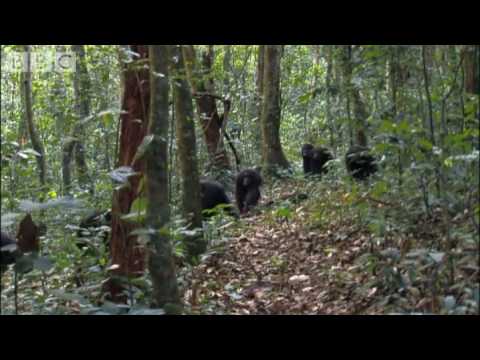
Chimpanzees deal with several big dangers that put their survival at risk.
These issues touch on their homes, health, and family groups.
Illegal Hunting and Poaching
Poachers pose a serious threat to chimpanzees. Every few hours, someone illegally takes a chimp from the wild.
Hunters often kill adult chimps just to get their babies for illegal trades.
This breaks up tight-knit chimpanzee groups, which usually have about 10 to 15 members.
The bushmeat trade makes things even worse, as people hunt chimps for their meat.
Even protected areas aren’t always safe—poachers still sneak in and target chimps.
Western chimpanzees, in particular, get hit hardest by poaching.
Habitat Loss and Deforestation
Habitat loss stands out as the number one threat.
People cut down forests for farming, logging, mining, or new towns.
When forests disappear, chimps lose places to live and search for food.
Smaller forests mean chimps get crowded into tiny patches, bumping into humans more often.
That leads to more conflict and makes it harder for chimps to find enough fruit or insects to eat.
Central and western chimpanzees really need large, protected forests to survive.
If we don’t protect these habitats, their numbers will just keep dropping.
Disease Transmission and Ebola
Diseases threaten chimps in a big way.
Because they share over 98% of their DNA with humans, viruses like Ebola can jump between us and them.
Ebola outbreaks have wiped out whole groups of chimps before.
When chimps live closer to people or their forests get disturbed, the risk of disease goes up.
Stressed groups spread illnesses faster.
Since chimps don’t have many babies, their populations recover very slowly after disease hits.
Illegal Wildlife and Pet Trade
The illegal wildlife trade causes real harm to chimpanzees.
Poachers capture baby chimps for the pet trade, often killing several adults just to take one infant.
This destroys family groups and weakens chimp communities.
It’s one reason they’re listed as endangered on the IUCN Red List.
Stopping the illegal pet trade makes a big difference for wild chimp populations.
Conservation Solutions and Community Involvement

Protecting chimpanzees takes strong action on many fronts.
You’ll find global organizations, education programs, and local communities all working together.
Each group plays a part in giving chimps safer homes and better chances for the future.
Global and Local Conservation Initiatives
Groups like the Jane Goodall Institute and WWF focus on saving chimpanzees, especially in West Africa—places like Guinea, Sierra Leone, and Liberia.
They fight deforestation and poaching by creating protected forests and pushing for stronger laws.
Local governments also step in to manage forests and crack down on illegal mining and hunting.
All of this helps western chimpanzees by improving their habitats and cutting down on threats.
A lot of these efforts depend on sharing research and data to keep track of chimp populations.
That way, they can make smarter plans to protect chimps where they live.
The Role of Education and Awareness
Education is one of the best tools we have.
Teaching people who live near chimps about the risks they face can really reduce illegal hunting.
Schools, community groups, and outreach projects show why chimpanzees matter to nature and local life.
When people learn about habitat loss and disease, they tend to make better choices.
Awareness campaigns help spread the word beyond just local areas.
You can get involved or support these efforts to help protect chimps and their forests.
Community Partnerships and Ecotourism
People living near chimpanzee habitats play a huge role every day. The choices they make can shape whether chimps survive or not.
Conservation groups reach out and work directly with locals. They try to build trust and suggest better options than things like logging.
Ecotourism? That’s a big deal here. It brings jobs and some steady income right to the community. When people see real benefits from visitors coming to watch chimps, it just makes sense—they’re less likely to harm the forests.
In places like Guinea and Sierra Leone, these partnerships really stand out. Local folks and conservation projects teaming up can make a real difference for both chimps and people.


