
So, you’re standing face-to-face with a chimpanzee and wondering, “Should I look it in the eye?” Here’s the gist: a quick, gentle glance is usually fine, but if you stare too long, chimps might get uncomfortable or even upset. Figuring out when and how to make eye contact can help you steer clear of trouble and pick up on their social signals.

Chimps don’t use eye contact the same way we do. In the wild, a long stare often means you’re picking a fight.
Chimps who live with people might not care as much, though. If you pay attention to their body language, you’ll get a better feel for when it’s cool to make eye contact and when you should look away.
Is It Safe to Make Eye Contact With Chimpanzees?
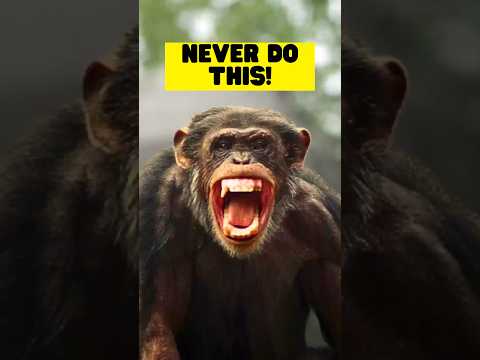
Eye contact with chimps can mean different things depending on the situation and the chimp’s mood. You need to know when a glance is friendly and when it could spark stress or even aggression.
How chimps react also changes if they grew up in the wild or around humans.
Differences Between Chimpanzees and Other Primates
Chimps treat eye contact differently than other primates do. Some, like bonobos, seem more chill about direct looks, but chimps? Not so much.
For example:
- Staring for too long usually comes across as a challenge or a threat.
- Chimps often focus on faces, but they spend a lot of time watching mouths when they interact.
- Dogs might look into your eyes to bond, but chimps can get irritated if you hold their gaze.
If you know these differences, you’re less likely to get the wrong idea when you’re around chimps.
Implications of Direct Eye Contact
When you look a chimp in the eye, you send a strong message. A quick, soft glance can show curiosity or friendliness.
But if you keep staring, they might feel threatened. Chimps could charge, yell, or bare their teeth if they feel challenged.
Watch how they act:
- If they seem relaxed and aren’t showing teeth, your glance probably doesn’t bother them.
- If they stiffen up, glare back, or flash their teeth, just look away and give them some space.
Paying attention to these signals can help you stay safe.
Situational Factors: Captive versus Wild Chimps
The way chimps live matters, too. Chimps raised around people often get used to eye contact.
They usually don’t mind brief looks and might not react at all.
Wild chimps, though, use eye contact to show dominance or warn others. If you stare at them, they’re more likely to see it as a threat.
When you’re near wild chimps, it’s smarter to avoid long stares and let your gaze move naturally.
If you want to dig deeper, check out Should You Make Eye Contact With a Chimp? Safety and Social Signals.
Interpreting Chimpanzee Eye Contact and Social Behavior

Eye contact with chimps means different things depending on the situation and the chimp’s personality. If you get how they use their eyes and react, you’re more likely to have a good, safe interaction.
Their individual quirks matter a lot, too.
Communication Through Eye Contact
Chimps use eye contact to show curiosity, challenge, or even a sense of connection. In their groups, quick glances are normal and not a big deal.
But staring too long is usually a challenge or threat. That’s when things can get tense, since it’s how chimps show dominance.
Most of the time, chimps focus on mouths when they “talk,” but their eyes still send out signals. If you keep your gaze soft and quick, you probably won’t bother them.
Try not to look too long or move your eyes in a way that seems tense.
How Chimps Respond to Human Gaze
Chimps’ responses depend on whether they’re wild or used to people. Captive chimps often tolerate brief eye contact and don’t get upset.
Wild chimps, though, usually see staring as a challenge.
If a chimp feels threatened, you might see them make loud noises, charge, or show their teeth. If they stay relaxed or just glance back, they’re probably curious or just fine with you.
You can learn a lot by watching their body language.
Tips for safe eye contact:
- Keep your glance short and gentle
- Don’t stare or lock eyes
- Stay calm and move slowly
- Look away if the chimp seems stressed
Personality Differences Among Chimpanzees
Not every chimp responds the same way to eye contact. Some chimps seem pretty curious and don’t mind a human staring, especially if they grew up around people.
Others? They might get shy or stressed out fast, dodging your gaze and looking uncomfortable.
You can usually spot how a chimp feels by just watching their body language. If their posture looks relaxed and their movements are smooth, they’re probably okay.
But when a chimp tenses up or bares its teeth, that’s your cue to back off and stop staring.
It really pays to respect these differences. You’ll avoid problems and have a friendlier interaction.
If you want more info about safe eye contact, check out eye contact with chimpanzees.


