
Bird disease paralysis happens when a bird suddenly can’t move parts of its body, usually its legs or wings. Infections, toxins, injuries, or even nutritional issues often mess with the bird’s nerves or muscles and cause this.
You might notice your bird struggling to stand or fly, or just moving oddly. Paralysis could be the culprit if you see these changes.
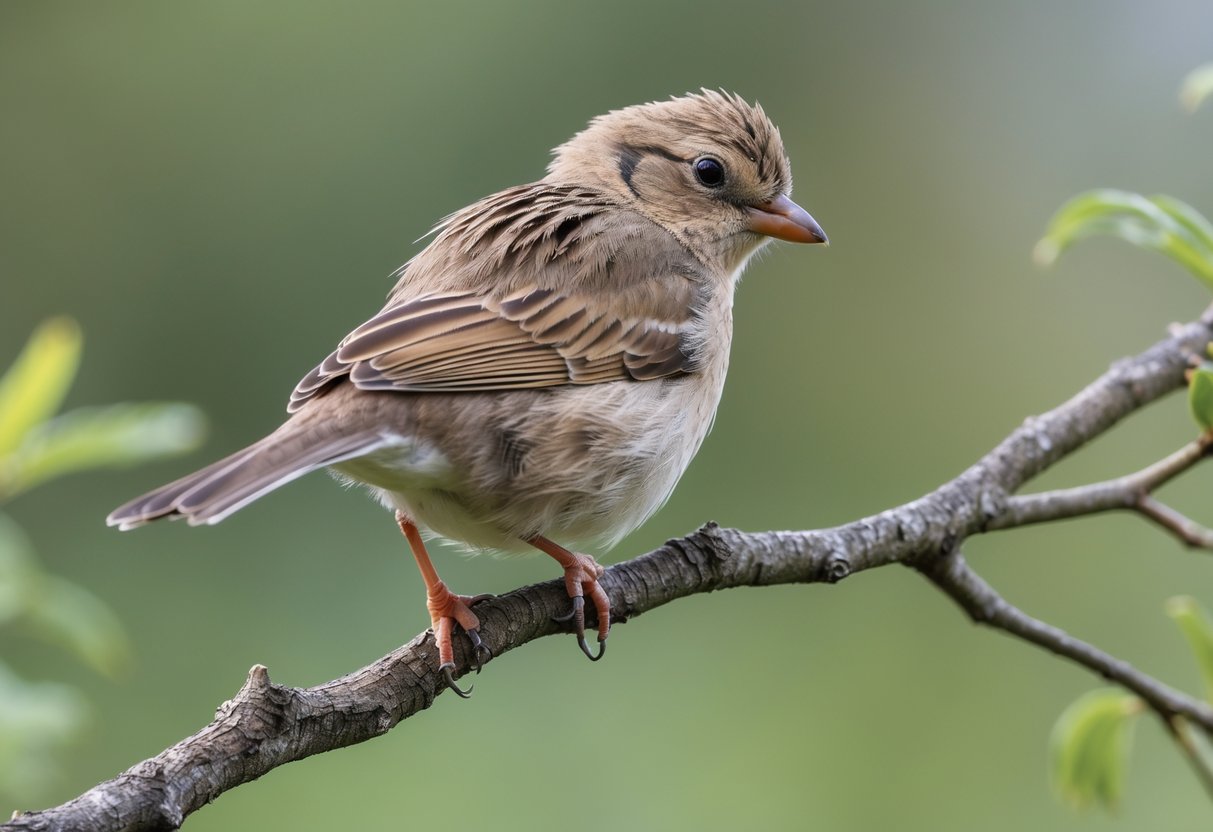
It’s important to figure out what’s behind the paralysis, since acting fast really helps. Diseases like Newcastle disease or avian bornavirus are common causes, but sometimes it’s just lead poisoning or a vitamin problem. Spotting the signs early can make a huge difference for your bird.
If you want your bird to stay healthy, learning about paralysis and its causes is honestly pretty valuable. This guide will help you recognize symptoms, understand what’s going on, and know when to call the vet.
For more details, you can check out this page about parrot leg paralysis causes.
Key Causes of Paralysis in Birds

Birds can get paralyzed for a bunch of reasons. Sometimes it’s from infections, other times poisons, bad diets, or just plain accidents.
Knowing exactly why it’s happening helps you act quickly and hopefully make things better for your bird.
Infectious Diseases Leading to Paralysis
Some diseases attack birds’ nerves and leave them paralyzed. Viruses like Newcastle disease can suddenly weaken legs and wings. Avian bornavirus works slower but still causes muscle weakness.
Bacterial infections such as mycobacteriosis and chlamydiosis also hurt nerves. These might start with coughing or weight loss, then lead to paralysis. Parrots and finches seem to get hit the most.
Look for poor coordination, struggles to perch, or droopy wings. If you spot these, get your bird to the vet right away.
Toxin Exposure and Heavy Metal Poisoning in Birds
Birds are super sensitive to toxins in their environment. Lead and zinc, for example, can cause sudden paralysis if your bird chews on cage bars, toys, or old paint.
Some pesticides, like organophosphates, also damage nerves fast. Moldy food or dirty water sometimes brings in biotoxins that cause leg weakness.
You might see weakness, shaking, or stumbling. Remove anything toxic and get your bird checked by a vet as soon as possible. Quick treatment really helps.
Nutritional and Metabolic Disorders
A poor diet can mess up your bird’s nerves and muscles. If your bird isn’t getting enough vitamin B, D, calcium, or selenium, paralysis or weakness can show up.
Take vitamin D for example—without it, birds lose calcium and end up with weak bones and leg issues. Not enough thiamine (vitamin B1) can cause nerve problems and clumsiness.
Feeding your bird a balanced diet with the right supplements keeps them strong. If you see limping or weakness, a vet might look for nutritional problems and suggest changes.
Trauma and Physical Injuries as Causes
Birds hurt themselves more often than you’d think—falling, bumping into things, or fighting. If they tear a muscle, break a bone, or damage a nerve, paralysis can happen in their legs or wings.
Signs include not being able to move a limb, pain, or swelling. You’ll want a vet to check for injuries with X-rays or a physical exam.
Sometimes surgery or physical therapy can help them move again. Keeping your bird’s space safe and handling them gently goes a long way.
Unique Avian Paralysis Syndromes and Affected Species

Paralysis doesn’t look exactly the same in every bird. Some species get hit at certain times of year, or after eating specific plants. Native birds like lorikeets are especially at risk, but pet parrots and finches can have problems too.
Lorikeet Paralysis Syndrome (LPS)
LPS mostly shows up in rainbow lorikeets, especially in eastern Australia between October and June. You’ll probably notice birds struggling to fly, wobbling, or even becoming paralyzed in their wings or feet. Sometimes their heads tilt or their calls sound weird.
No one’s really sure what causes LPS yet. It might be something lorikeets eat during spring and summer. Scientists have seen cases spike when the birds feed on more than 130 different plants, so maybe a toxin in the plants or a fungus is to blame. Hot, wet weather seems to make things worse. LPS can come on fast and can be deadly, so it’s a big worry for lorikeet populations.
Paralysis in Parrots and Finches
Pet parrots and finches can get paralyzed for a bunch of reasons. Infections like aspergillosis or certain viruses often target their nervous systems.
You might see their legs or wings shaking, getting weaker, or even total paralysis. Not enough B vitamins can also cause nerve damage and weakness. Toxins in cages or food are another possible cause.
If your bird suddenly can’t perch, climb, or fly, don’t wait—see a vet right away. Paralysis in these birds can develop quickly, and early care gives them the best shot at bouncing back.
Environmental and Seasonal Factors
Certain times of year—and sudden environmental changes—can bump up paralysis risks in birds. Take LPS, for example. It usually pops up during the warmer months, especially when lorikeets go after certain plants.
Honestly, climate change probably encourages birds to experiment with new foods. That means they’re running into toxins they’ve never dealt with before.
Wild birds sometimes get paralyzed because of biotoxins, infections, or whatever contaminants end up in their habitat. Heavy rains, wildfires, and habitat loss push birds to switch up their diet and move to different areas.
Birds have a tougher time figuring out which plants or insects are safe. If you keep birds, it really helps to keep an eye on them during these unpredictable times. Knowing what local risks are out there can make a big difference.
For more on Lorikeet Paralysis Syndrome, check out the RSPCA Wildlife Hospital page on LPS.


