
If you’re a proud owner of a Border Terrier, you know that grooming can be essential for keeping their coat healthy and looking its best. A quality stripping knife is the best stripping tool for Border Terriers. It effectively removes dead hair and helps maintain the wiry texture of their coat. Using the right tool not only makes the process easier but also ensures your dog’s coat remains in excellent condition.

Border Terriers have a unique double coat that requires specific grooming techniques. Stripping, or removing dead hair by hand or with tools, is crucial to manage shedding and keep their coat looking sharp. With the right stripping tool, you can enjoy a bonding experience with your furry friend while maintaining their grooming routine.
Whether you’re a seasoned groomer or a first-timer, finding the best tool will set you up for success. So, let’s explore the top options available and discover which stripping tools can help you give your Border Terrier the care they deserve.
Understanding the Border Terrier Coat
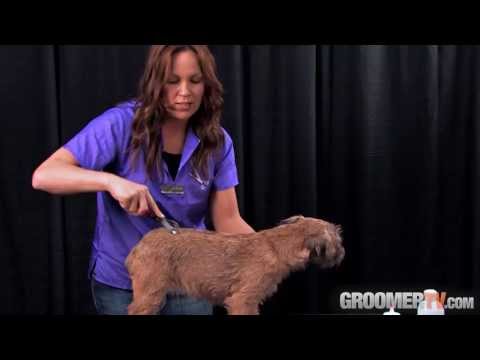
The Border Terrier has a unique coat structure that requires special attention. Recognizing the features of their double coat and knowing how to manage shedding will help keep your dog healthy and looking great.
Double Coat Characteristics
Your Border Terrier has a distinctive double coat that consists of a harsh, wiry outer layer and a soft undercoat. The top layer protects against the elements, while the undercoat provides warmth.
This combination is specifically designed to meet breed standards. The wiry coat helps to repel moisture, keeping your dog dry, while the undercoat traps heat.
As your dog ages or during seasonal changes, the coat may become “blown,” meaning the outer layer begins to fall away. This process makes it an ideal time for stripping to keep the coat healthy. Regular maintenance by removing dead hair is essential to ensure your Border Terrier’s coat remains functional and appealing.
Shedding and Maintenance
Shedding in Border Terriers is typically moderate. You’ll notice that they shed more during seasonal changes, especially in spring and fall.
To manage shedding effectively, establish a consistent grooming routine. You should aim to strip your dog’s coat every 6 to 8 weeks. This helps remove dead hair and encourages new growth.
Using the right tools, like a stripping knife or a grooming glove, can make this process easier. Remember to gently brush your dog’s coat regularly to keep it healthy. This practice not only reduces loose hair in your home but also helps maintain that lovely wiry texture your Border Terrier is known for.
Stripping vs Clipping
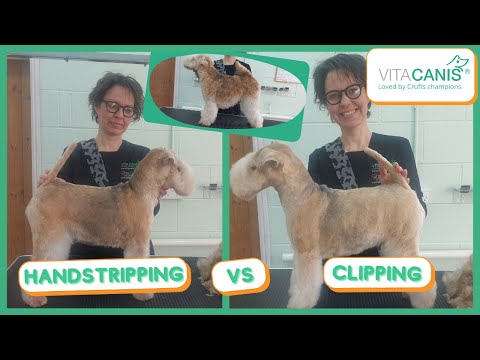
When it comes to grooming your Border Terrier, understanding the differences between stripping and clipping is important. Each method has its own advantages and disadvantages, which can affect your dog’s coat and overall appearance. Here’s a closer look at both options.
Pros and Cons of Hand Stripping
Hand stripping is generally recommended for Border Terriers. This method involves removing dead hair by hand, which promotes a healthy coat.
Pros:
- Coat Health: Stripping keeps the top coat wiry and strong. It helps in maintaining the double coat, ensuring proper insulation.
- Less Shedding: You may notice less fur around your home since the dead hair is removed before it falls out.
Cons:
- Time-Consuming: Hand stripping can take a while, often requiring a professional groomer.
- Painful for Some Dogs: This method can be uncomfortable. Be sure to approach it gently.
Hand stripping is a great choice if you want to maintain the natural texture and health of your Border Terrier’s coat.
When to Choose Clipping
Clipping involves using a clipper to cut the hair short. While it is easier and quicker than stripping, it is not always the best option for Terriers.
Pros:
- Quick Grooming: Clipping can save time and is easier for those new to dog grooming.
- Less Technical Skill Needed: You don’t need to be an expert, making it accessible for more dog owners.
Cons:
- Can Damage Coat: Clipping can cut the hair shaft and leave dead roots, which might lead to a softer and tangled coat.
- Doesn’t Remove Dead Hair: Just shortening the hair means more shedding later on.
Choose clipping if you’re looking for a quick solution, but be aware that it may not be the best way to maintain your dog’s coat health.
Grooming Tools and Techniques

Grooming your Border Terrier involves selecting the right tools and techniques to keep their coat healthy. Effective grooming not only improves their appearance but also enhances comfort. Here are key tools and step-by-step methods you’ll need.
Choosing the Right Stripping Knives
When picking a stripping knife, consider the specific needs of your Border Terrier. Look for knives with a comfortable grip and a blade that can effectively thin the wiry hair. Stripping knives come in various sizes and shapes, so choose one that fits your hand well.
For tight areas, a smaller knife may be more effective. It’s also important to have a knife with a mix of coarse and fine teeth. This will help you to remove dead hairs without pulling too much on the skin.
Additional Tools for Grooming
In addition to a stripping knife, other tools can help maintain your dog’s coat. A slicker brush is great for removing loose hair and dirt. It helps to keep the topcoat neat and tidy.
An undercoat rake is essential for reaching the dense undercoat. Don’t forget to use a pumice stone on their paw pads to keep them smooth and healthy.
A carding knife can also aid in thinning the coat and is especially useful in the grooming process. Each tool plays a role in keeping your Border Terrier’s coat healthy and free from knots.
Step-by-Step Guide to Stripping
-
Prepare your dog: Make sure your furry friend is calm and comfortable. A favorite toy or treat can help!
-
Start with brushing: Use a slicker brush to remove surface tangles and loose hair. This sets the stage for effective stripping.
-
Use the stripping knife: Hold the knife at a slight angle and gently pull it through sections of hair. Focus on small areas at a time.
-
Thinning: For thicker spots, alternate between your stripping knife and a carding knife as needed.
-
Check your progress: Regularly look at the coat to ensure even thinning.
-
Finish up with a brush: After stripping, give your pup a final brush to remove any remaining loose hair.
Following these steps will help you keep your Border Terrier looking sharp and feeling great!
Maintaining a Healthy Border Terrier Coat

Taking care of your Border Terrier’s coat is essential for their overall health and appearance. Regular grooming, the right bathing products, and a good routine will help keep your pup looking great and feeling comfortable.
Bathing and Conditioning
Bathing your Border Terrier is important for a clean and healthy coat. Use a texturizing shampoo designed for wiry coats. This helps maintain the coat’s unique texture without stripping away natural oils.
After shampooing, apply a conditioner to keep the fur soft and manageable. This will also help with moisture retention, preventing dryness.
Make sure to rinse thoroughly. Leaving shampoo or conditioner in the coat can cause irritation.
Aim to bathe your dog every few months, or more often if they get into something dirty.
Preventing Mats and Tangles
Regular grooming is key to preventing mats and tangles in your Border Terrier’s coat. Use a slicker brush to remove loose hair and dirt. Brush your dog at least once a week.
Pay special attention to areas behind the ears, under the legs, and around the collar. These spots are prone to matting.
If you notice any tangles, work through them gently. Using a mat splitter can help. You can also keep your dog’s coat well-maintained with occasional hand stripping, which removes dead hair and maintains the texture.
Grooming Salon vs. Home Care
Deciding between a grooming salon and at-home care depends on your comfort level. Many owners prefer to groom their Border Terriers at home using the right tools, like a stripping knife and a grooming rake.
If you feel unsure about grooming, a professional grooming salon can handle the task. They know how to manage coats properly and can teach you techniques.
Whether at home or at a salon, make grooming a positive experience for your dog. Use treats and praise to make it enjoyable.
Regular grooming will keep your Border Terrier’s coat healthy and stylish.


