
Border Terriers are playful and spirited little dogs that are known for their affectionate nature. If you’re a fan of this small dog breed, you might wonder about their digging habits. The answer is yes; Border Terriers do like to dig. This behavior is rooted in their history as working dogs, where they were bred to hunt vermin and chase after small prey.

As family pets, they bring joy and energy into any home. Digging can be a natural instinct for them, sometimes leading to unexpected surprises in your garden. Understanding this trait will help you create a happy environment for your Border Terrier, allowing them to express their playful side while keeping your yard intact.
Understanding the Border Terrier’s Natural Instincts
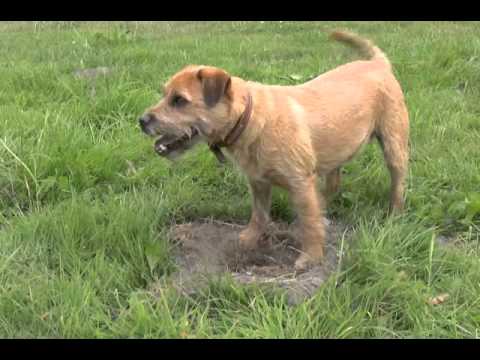
Border Terriers are lively dogs with unique instincts shaped by their history. Their desire to dig and hunt is rooted in their background as hunting dogs. This section will explore their prey drive and digging behaviors.
Prey Drive and Hunting Instincts
Border Terriers have a high prey drive. This means they are naturally inclined to chase small animals. This instinct comes from their ancestors, who were bred to catch vermin.
When you take your Border Terrier outside, you might notice them getting excited by small creatures. They may chase after squirrels or rabbits. This behavior shows their natural hunting instincts. It’s important to understand this drive, as it can affect their training and behavior.
You can channel this hunting instinct into fun activities. Games like fetch or hide-and-seek can satisfy their urge to chase. Providing mental stimulation is key. This helps keep your Border Terrier happy and healthy.
Digging: A Common Terrier Trait
Digging is another common trait in Border Terriers. This behavior is tied to their instincts as hunting dogs. Originally, they dug to find and catch prey that hid underground.
Your Border Terrier may dig in your yard or at the park. This can be frustrating if they disturb your garden or landscape. Nevertheless, digging is a natural behavior for them.
To manage this, provide them with a designated digging area. You can fill it with toys or treats. This will give them a safe place to dig without causing trouble. Remember, understanding this trait can help you better interact with your furry friend.
Caring for Your Border Terrier

Taking care of your Border Terrier involves paying attention to grooming, ensuring they get enough exercise, and monitoring their health. Each of these areas contributes to their overall happiness and well-being.
Grooming Essentials
Your Border Terrier has a wiry coat that requires regular grooming to keep it looking its best. Brush their fur at least once a week to prevent matting and tangling. This helps remove loose hair and dirt.
Bathing should be done every few months or as needed, especially if they get particularly dirty. Use a gentle dog shampoo to avoid skin irritation.
Pay attention to their ears and teeth too. Check their ears regularly for dirt or wax buildup. Brush their teeth several times a week to maintain good dental health.
Exercise Needs and Mental Stimulation
Border Terriers are energetic dogs that need regular exercise. Aim for at least 60 minutes of physical activity each day. This can include walks, fetch, or playtime in a secure area.
Mental stimulation is just as important. You can keep their minds sharp with puzzle toys, training sessions, or interactive games. Teaching new tricks helps strengthen your bond and prevents boredom.
Without enough exercise and mental challenges, they might resort to digging or other unwanted behaviors. A well-exercised Border Terrier is usually happier and more relaxed.
Health Considerations and Common Issues
While Border Terriers are generally healthy, they can face some specific health concerns. Keep an eye out for hip dysplasia, a genetic condition that affects their joints. Regular vet check-ups can aid in early detection.
Another condition to be aware of is progressive retinal atrophy (PRA), which can lead to vision loss.
Allergies are also common in Border Terriers, often triggered by certain foods or environmental factors. Monitor their skin for any signs of irritation or itching. If you notice any issues, consult your vet for advice.
Training and Socialization: Building Good Behavior

Training and socialization are key to helping your Border Terrier develop good habits. By focusing on these areas, you can shape their temperament and ensure they become well-adjusted companions.
The Benefits of Early Socialization
Early socialization is crucial for your Border Terrier. It helps them learn how to interact with different people, pets, and environments. This exposure can reduce anxiety and barking, making them more confident.
Take your puppy to parks, pet stores, and playdates. Aim for positive experiences. This can prevent separation anxiety later on. When they face new situations with ease, it leads to a more relaxed dog. A well-socialized Border Terrier will often exhibit a friendly, playful demeanor, making them a joy to be around.
Training Techniques for an Obedient Dog
Training your Border Terrier can be a rewarding experience. Positive reinforcement is the most effective method. Reward your dog with treats and praise for good behavior. This encourages them to repeat desirable actions.
Start with basic commands like “sit,” “stay,” and “come.” Use clear and consistent commands to avoid confusion. Keep training sessions short, around 5 to 10 minutes, to hold their attention. Mix in playtime for fun learning. A well-trained dog will be less prone to digging or other unwanted behaviors.
Fostering a Safe and Happy Environment

Creating a happy home for your Border Terrier involves understanding their energetic nature and their love for exploration. By meeting their needs, you can ensure they thrive in your living space.
Securing Your Garden Against Escape Artists
Border Terriers have a strong instinct to dig and explore. This trait makes them excellent escape artists, so it’s vital to secure your garden effectively.
Here are some tips to keep your garden safe:
- Fencing: Use tall, sturdy fences that go deep into the ground. This prevents them from digging underneath.
- Digging Barriers: Install barriers like chicken wire beneath the soil along the fence line. It will deter them from digging out.
- Supervision: Keep a close eye on them while they are outside. This allows you to gauge their interest in digging or escaping.
Adaptability to Living Spaces
Border Terriers can adapt well to different living situations, including apartment living. Their energy levels mean they need room to move, but this doesn’t mean you need a large house.
When living in an apartment, consider these strategies:
- Daily Exercise: Ensure you provide consistent walks and playtime. This helps burn off energy and reduces the desire to dig.
- Interactive Toys: Use toys that challenge their minds. Puzzle toys can keep them busy and satisfied indoors.
- Routine: Establish a daily structure with regular play and outdoor time. This helps create a feeling of security.
With the right care, your Border Terrier can be happy and content whether in a garden or an apartment.


