
As you consider adding a furry friend to your family, you might wonder which dog breeds are best for family life in 2024. The Labrador Retriever continues to be the top choice for families. This is because it has a friendly nature and is easy to train. This breed is known for being affectionate, playful, and great with kids, making it a perfect companion for any household.

While Labs are popular, there are also other breeds that might fit your family’s needs. Boxer dogs, for example, offer playful energy and loyalty, making them fantastic for active families. It’s essential to find a dog that matches your lifestyle and preferences, as every family is unique.
In this article, you’ll discover more about the best family dog breeds for 2024 and what makes each one special. Whether you’re looking for a snuggly companion or an active playmate, there’s a perfect dog waiting for you!
Determining the Best Family Dogs for Your Household

Choosing the right dog for your family involves careful thought. You’ll want to consider temperament, exercise needs, and the living space you offer. Each of these factors plays a significant role in finding the best family dog for your home.
Assessing Temperament and Compatibility
When looking for a family dog, temperament is key. You want a dog that is friendly and gentle, especially if you have young kids. Breeds like the Labrador Retriever or Golden Retriever are popular because they tend to be affectionate and patient.
Next, think about compatibility with your family. If you have active children, a playful breed may fit best. On the other hand, calmer dogs might suit a quieter home. Always consider how the dog’s personality meshes with your family dynamics.
Understanding Exercise Needs and Activity Level
Every dog has different exercise needs. Active breeds like the Boxer or Border Collie require more exercise and playtime. If your family can commit to daily walks and play, these dogs can thrive in your home.
Less active breeds, such as Basset Hounds or Shih Tzus, may be better if your family prefers a more relaxed lifestyle. Make sure to align the dog’s activity level with your family’s routine to maintain a happy environment.
Considering Space: Apartment Living Vs. House with Yard
Think about where you live when choosing a family dog. Apartment living often calls for smaller breeds. Dogs like the Cavalier King Charles Spaniel or French Bulldog are great in tight spaces and don’t need a yard to stay happy.
If you have a house with a yard, larger breeds like the Golden Retriever or German Shepherd can enjoy the outdoor space. A yard allows for playtime and exercise, which is essential for dogs with higher energy levels. Always match the dog’s needs to your living situation for the best fit.
Top Dog Breeds for Families with Kids

When choosing a dog for your family, it’s important to find breeds known for their friendly nature, patience, and playfulness. Several breeds stand out for their ability to bond with children and become beloved family members.
Labrador Retrievers: Gentle and Playful
Labrador Retrievers are often considered one of the best family dogs. They are known for their friendly and gentle demeanor, making them great companions for kids.
These dogs are highly playful, enjoying games like fetch and swimming. They need regular exercise, which gives your family a chance to bond through outdoor activities.
Labradors are also known for their trainability. Their eagerness to please makes them receptive to basic commands and tricks. This breed adapts well to various living situations, whether you live in a large house or a small apartment.
Golden Retrievers: Loyal Family Companions
Golden Retrievers are excellent family companions, known for their loyalty and love. They are gentle with children and enjoy being involved in family activities.
This breed is very intelligent, making them easy to train. They learn commands quickly and respond well to positive reinforcement. Golden Retrievers thrive on human interaction and love to be part of the family.
They also require regular exercise to keep them happy and healthy. Daily walks, playtime, and socialization are essential parts of their routine. Their friendly nature makes them great with both kids and other pets.
Beagles: Curious and Affectionate
Beagles are smaller but full of personality. They are known for their curiosity and affectionate nature, which makes them great family pets.
This breed is friendly and gets along well with children. Beagles tend to have a playful spirit, which can entertain your kids for hours. They love to explore, so keeping them engaged is important.
Beagles require moderate exercise. Daily walks and playtime help keep them healthy and happy. Their friendly disposition means they often enjoy spending time with other pets.
Poodles: Intelligent and Hypoallergenic
Poodles are unique in their intelligence and are available in three sizes: standard, miniature, and toy. They are also considered hypoallergenic, which is a great advantage for families with allergies.
This breed is known for its trainability. Poodles excel in obedience and can learn various tricks and commands with ease. They enjoy mental challenges, so providing stimulation is key.
Poodles are friendly and good with children, making them ideal family dogs. They need regular exercise and enjoy activities like swimming and playing fetch. Their low-shedding coat is an added bonus for families concerned about pet dander.
Special Considerations in Choosing the Right Breed
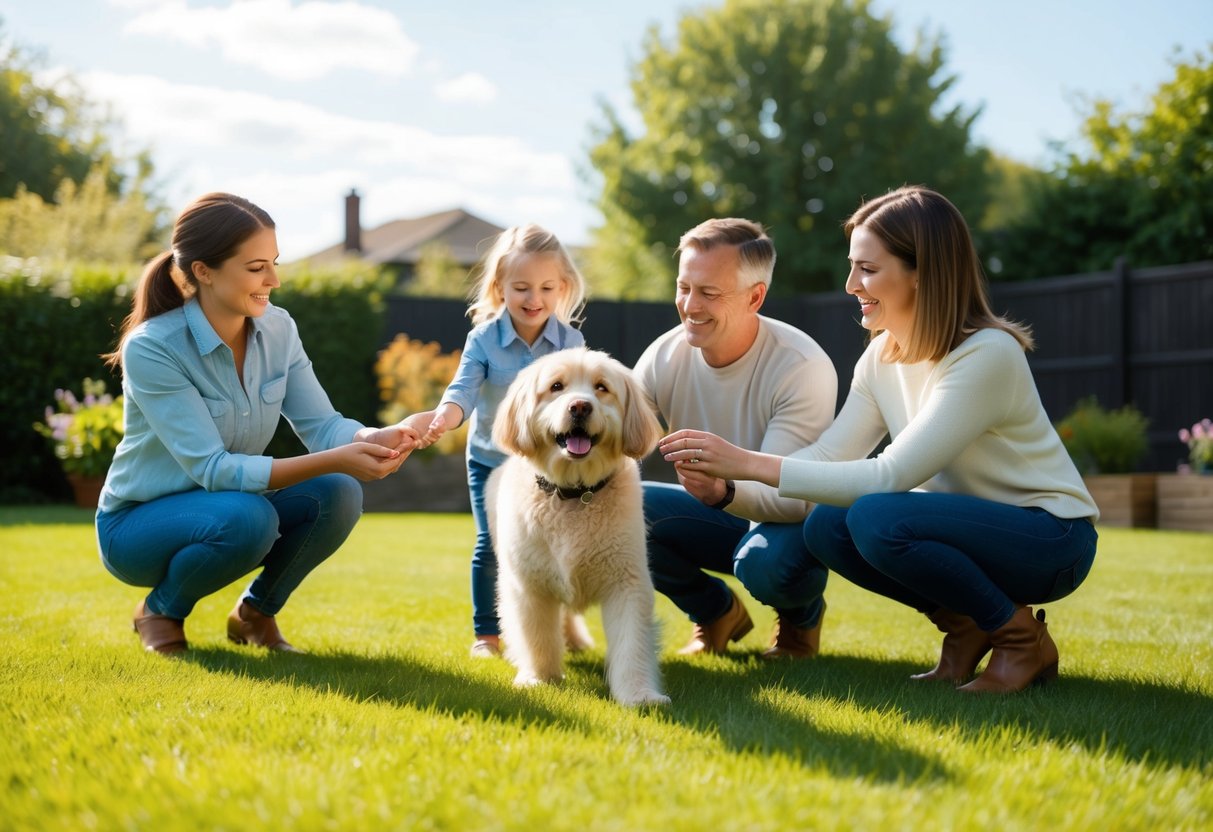
When selecting a family dog, it’s important to think about grooming needs, training capabilities, and the size of the dog. Each of these factors can significantly influence how well a breed fits into your home and lifestyle.
Grooming and Care for Different Breeds
Grooming plays a big role in caring for your dog. Some breeds require regular brushing and trips to the groomer, while others have low grooming needs.
For instance, a Golden Retriever might need weekly grooming to manage shedding, while a Beagle requires less maintenance.
Consider your schedule and willingness to groom. Low-shedding breeds, like Poodles, may be great for families with allergies. On the other hand, breeds like the German Shepherd may shed more but are relatively easy to brush.
Keeping your dog’s coat healthy also involves regular baths, nail trimming, and dental care. Ensuring you select a breed that matches your grooming comfort level can help you maintain a happy and healthy pet.
Training and Trainability
Trainability is key when it comes to family dogs. Some breeds, like Labrador Retrievers, are known for being eager to please and easy to train.
You might find that these dogs learn commands quickly, making them suitable for families with young children.
Other breeds may require more patience. Bulldogs, for example, can be stubborn and may need consistent training methods.
Consider how much time and effort you’re willing to invest in training. Choosing a breed that fits your training style can lead to a more harmonious household.
Positive reinforcement works best for most breeds. Make sure to use treats and praise to encourage good behavior. Picking a breed that is known for its trainability can simplify this process for you.
Dog Size: From Small Dogs to Gentle Giants
Dog size affects many aspects of life, including space and exercise needs.
Small dogs, like Yorkshire Terriers, can be great for apartments or homes with limited space. They tend to adapt well to smaller living areas.
On the other hand, medium to large breeds, like a German Shepherd or a Golden Retriever, may require more room and exercise.
Gentle giants like Great Danes are affectionate and can fit well in larger homes with ample space.
Consider your living situation when choosing a size. Smaller breeds often have different activity requirements compared to larger ones.
Aim for a balance that suits your family’s lifestyle and activity level to ensure everyone is happy.


