
Finding the right dog that can be comfortably left alone all day can be a challenge. Some of the best dog breeds for this situation include independent dogs like the Basset Hound, Shar-Pei, and Jindo. These breeds are more adaptable to being alone and can handle longer hours without feeling stressed.
As a busy person, you might worry about leaving your furry friend at home. Choosing a dog breed known for its independence can help ease your concerns. There are many wonderful dog breeds that thrive on their own and are content with their surroundings while you are away.
When selecting a dog, consider their specific needs and personality. Understanding which dogs can be left alone helps ensure that both you and your pet are happy. By picking the right breed, you can enjoy your time away from home without feeling guilty.
Characteristics of Independent Dog Breeds
Independent dog breeds have unique traits that make them suitable for spending time alone. Understanding these characteristics can help you choose the right breed for your lifestyle.
Self-Sufficient Nature
Independent dogs often display a self-sufficient nature. They can entertain themselves for hours without feeling lonely. Breeds like the Basenji and Shiba Inu enjoy having their own space. They don’t always rely on their owners for constant interaction.
These dogs are less likely to seek attention constantly. They are often content just relaxing or exploring their environment. Their independence means you can leave them alone for longer periods without worry. This quality makes them ideal for busy pet owners.
Separation Anxiety
Separation anxiety can affect many dogs, but independent breeds handle solitude well. Breeds like the Basset Hound and Chow Chow typically show resilience when left alone. They often adjust to being by themselves with minimal fuss.
That said, it’s still important to prepare these dogs for time alone. Gradual training can help ease any initial anxiety they may feel. Providing engaging toys or puzzles can also keep their minds occupied while you’re away.
Moderate Exercise Requirements
While independent dogs are self-sufficient, they still need exercise. Many of these breeds have moderate exercise requirements. For instance, Greyhounds enjoy short bursts of activity but are also happy lounging around.
A good routine includes daily walks and playtime. Failing to provide enough exercise may lead to behavioral issues. Aim for a mix of physical and mental stimulation to ensure your dog stays healthy and happy.
Top Breeds for Solitary Time
If you need a dog that can handle being alone for long periods, certain breeds fit the bill. These dogs typically have independent natures, making them ideal for busy owners or those who work long hours. Let’s look at some of the best options.
Breed Profiles: Greyhounds
Greyhounds are known for their speed but also for their calm demeanor. They enjoy lounging around the house and are low-maintenance dogs.
Despite their athletic build, Greyhounds require only moderate exercise. A daily walk and some playtime are usually enough to meet their needs.
They can easily handle alone time and aren’t prone to separation anxiety. With a little space on the couch, they will be content while you’re out.
Spotlight on Shiba Inu and Basenji
Both the Shiba Inu and Basenji are small breeds that thrive on independence.
The Shiba Inu is known for its spirited personality but can also enjoy self-time. They are clean dogs and often groom themselves, which cuts down on upkeep.
The Basenji is famous for being “barkless” and is quite self-sufficient. Both breeds can keep themselves entertained, which makes them great for busy people.
Calm Companions: Basset Hound and Chow Chow
Basset Hounds are laid-back dogs that enjoy relaxation. They aren’t high-energy, so they don’t mind spending time alone.
Their sweet, gentle nature allows them to adapt well to being home alone for extended hours. Regular walks keep them happy and healthy.
Chow Chows also fit the profile of calm companions. They are independent and generally okay with solitude. With minimal exercise needs, they can self-entertain with their quirky personalities.
Guard Dogs: Bullmastiff and Shar Pei
If you want a protective yet independent breed, consider the Bullmastiff. These dogs are loyal and excellent at guarding your home. They are relaxed and prefer lounging, making them suitable for long days alone.
The Shar Pei also thrives on independence. Known for their distinctive wrinkles, they are low-energy dogs that can comfortably handle being alone.
Both breeds are great for someone who wants a dog that can watch over the home while also being quite content on its own.
Caring for Your Independent Dog
Taking care of an independent dog involves meeting their specific needs. Focusing on training, socialization, and providing mental stimulation will help your dog thrive, even when left alone for longer periods.
Training and Socialization
Training is essential for independent dogs. Start with basic commands like “sit,” “stay,” and “come.” Consistent training makes sure they understand what you expect. Use positive reinforcement, like treats or praise, to encourage good behavior.
Socialization is just as important. Introduce your dog to different environments, people, and other animals. This will help them feel more comfortable in various situations, reducing anxiety when left alone. Consider enrolling in a training class or playgroup to aid in their social skills.
Routine and Dog Walkers
Establishing a routine can greatly benefit your dog. Regular feeding times and daily exercise help create stability. Aim for at least one or two walks a day, depending on your dog’s energy level. This keeps them healthy and happy.
If your schedule is busy, consider hiring a dog walker. A dog walker can provide the necessary exercise and break during the day. This helps prevent boredom and supports your dog’s well-being. Make sure to choose a reliable walker who understands your dog’s specific needs and can provide proper care.
Mentally Stimulating Toys
Independent dogs need mental stimulation when they are alone. Invest in a variety of toys, such as puzzle toys and treat dispensers. These toys challenge your dog’s mind and keep them entertained for longer periods.
Rotate the toys regularly to maintain their interest. Interactive toys that require problem-solving encourage your dog’s natural instincts. You can also consider leaving a radio or TV on softly to provide background noise, making them feel less alone.
Adult Dogs Versus Puppies
Caring for adult dogs differs from caring for puppies. Adult dogs often have established routines and may adapt better to being alone. They are usually less likely to engage in destructive behaviors compared to puppies, who require more attention and training.
Puppies need more socialization and training. They might be more prone to accidents and chewing until they learn the rules. It is essential to start training early and be consistent, ensuring they develop good habits as they grow.
Suitable Living Environments
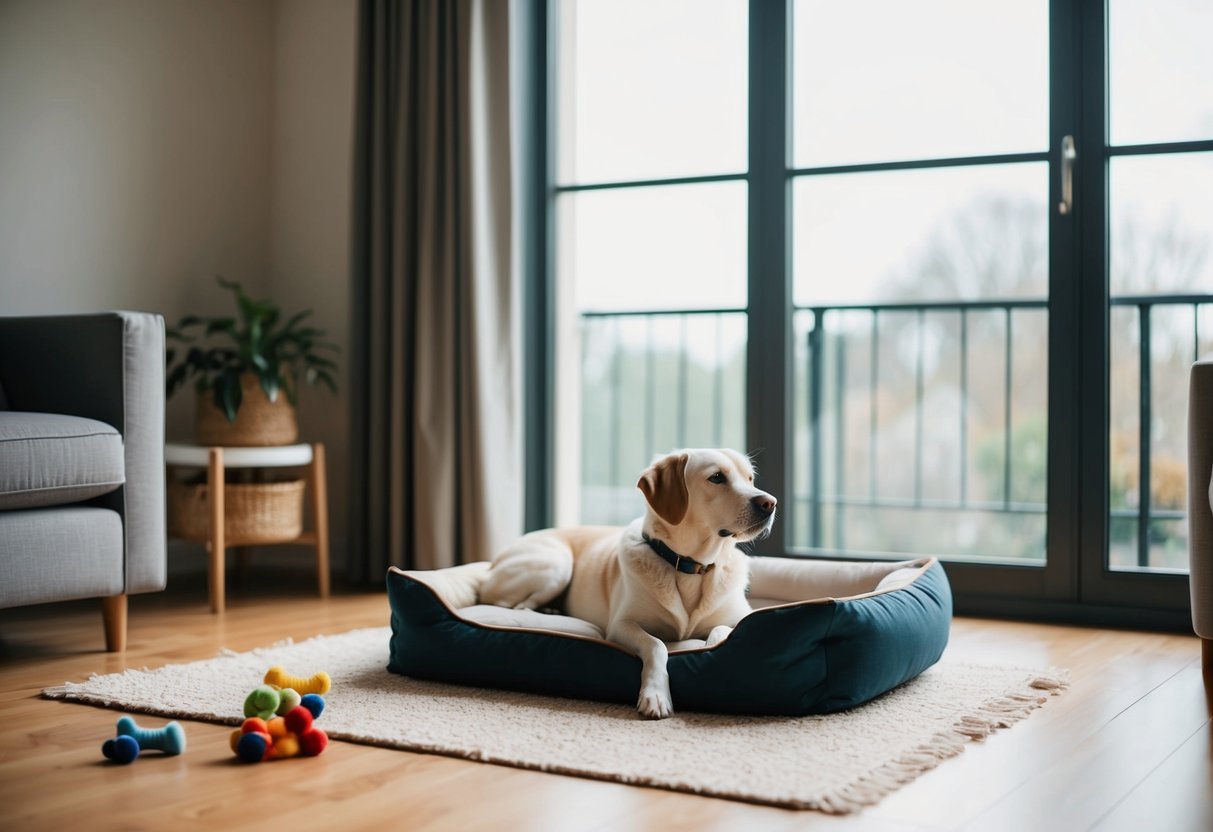
Choosing the right living environment is crucial for a dog that frequently stays home alone. Consider the space you can provide and the needs of your chosen breed. Different setups, like apartments and houses with yards, offer distinct advantages and challenges.
Apartment Dwellers
Living in an apartment can be a great option for certain dog breeds. Look for low-maintenance pets that adapt well to smaller spaces. Breeds like the French Bulldog or Basset Hound can thrive in apartments due to their calm demeanor.
Keep in mind that your dog will need mental and physical stimulation. Short walks during the day and engaging toys can help. Use puzzle toys to keep your dog busy and avoid boredom. You can also create a cozy area with a comfortable bed and some of their favorite toys.
Houses with Yards
If you have a house with a yard, your dog will have more space to roam and play. Breeds such as the Labrador Retriever or Australian Shepherd benefit from having outdoor access. A yard allows them to explore and expend energy when you’re not home.
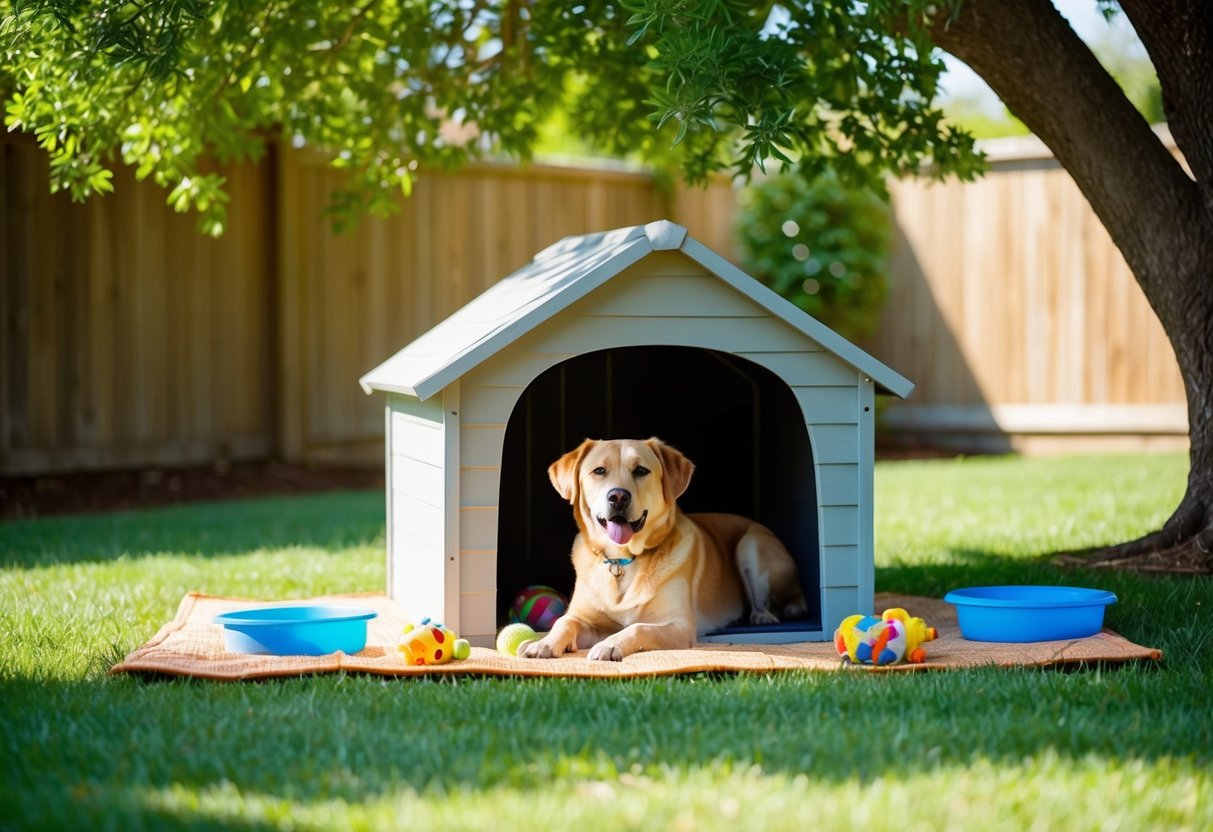
Make sure your yard is secure to keep your dog safe. You should implement a dog-proof fence. You can also create a shaded area where your dog can relax outside. Don’t forget to provide toys and even a kiddie pool during hot days to keep them entertained.


