
If you want to enjoy the outdoors without bees buzzing around you, the color of your clothes actually matters more than you’d expect. Wearing light colors like white, beige, or light brown is the best way to avoid attracting bees.
These shades help you blend in and don’t set off the bees’ defensive instincts.
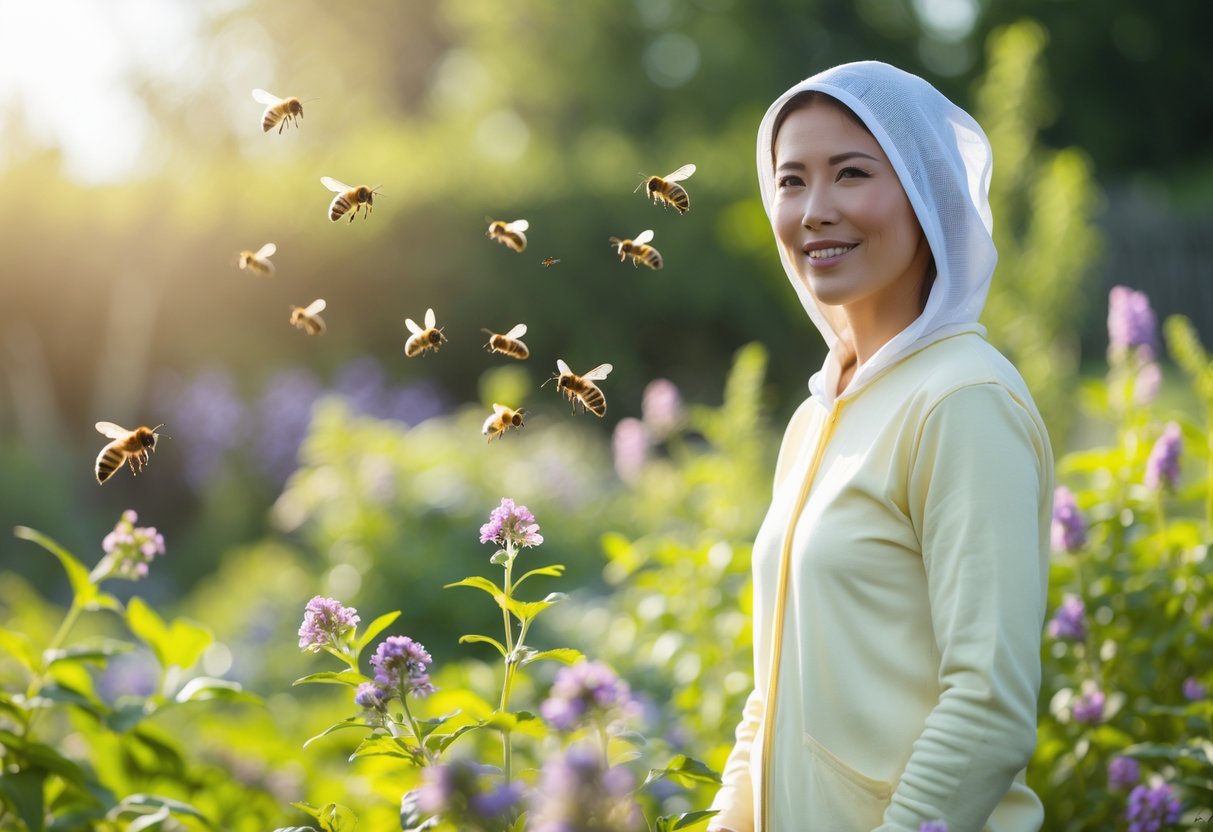
Dark colors like black, brown, or red can make bees act more aggressively because they see those colors as threats. If you pick the right color, you’ll stay comfortable and have a better chance of avoiding stings when you’re outside.
Curious why color matters so much? Let’s dig into how you can pick the best outfit for your next outdoor adventure.
Best Colors to Wear to Avoid Bees
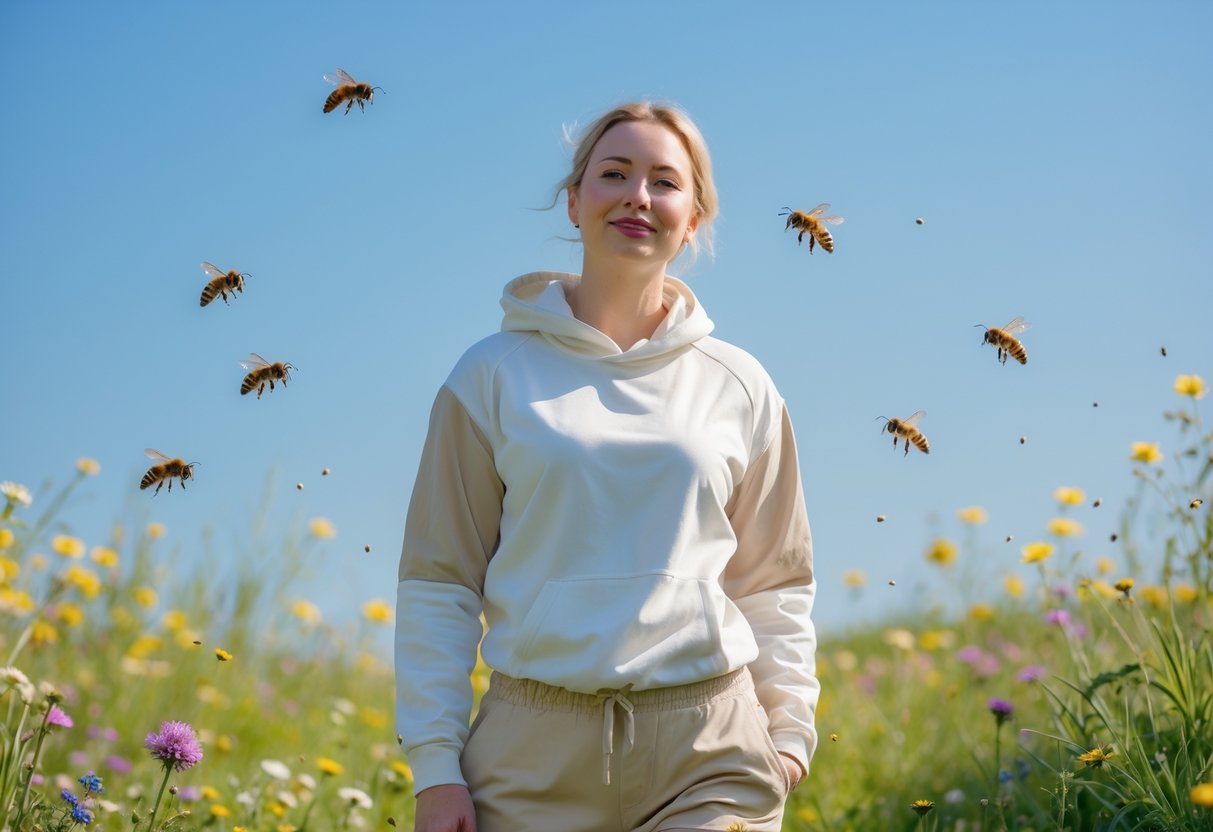
Picking the right clothing colors helps you spend time outside with less worry about bee stings. Certain shades make you less noticeable to bees, while others might catch their eye like a magnet.
If you know how bees see color and behave, you’ll have an easier time choosing what to wear.
Why White and Light-Colored Clothing Are Effective
Bees usually leave you alone if you wear white or other light colors like beige, pale blue, or soft pastels. These colors don’t look threatening to bees, so they don’t get defensive.
Beekeepers go for white protective clothing because it keeps honeybees calm.
Light-colored fabrics also reflect sunlight, which helps you stay cooler when you’re outside. Since bees rely on vision to spot threats, wearing white or light clothes helps you blend in and seem less like a predator.
How Bee Vision Influences Color Attraction
Bees see colors in a totally different way than we do. They can spot ultraviolet light and have sharp color vision, which helps them find flowers.
They also learn to connect certain colors with danger—usually the dark shades worn by predators like bears or wasps.
Because of this, bees tend to leave people in white or light-colored clothes alone, since those shades aren’t linked with threats. Bright colors like yellow might attract bees because they look like flowers.
If you remember that bees use color to judge you, you’ll have a better shot at picking safe clothes for outdoor time.
Colors to Avoid: Bright and Dark Shades
Skip dark colors like black, brown, dark blue, or red if you want to cut down on bee attention. Bees see those shades as signs of predators, which can make them act aggressively or sting.
Bright colors like yellow and orange also attract bees since they remind them of flowers. If you want to stay under the radar, steer clear of those shades.
Wearing smooth, light fabric instead of fuzzy textures like wool also helps keep bees from getting stuck near your skin.
Additional Tips for Reducing Bee Attraction
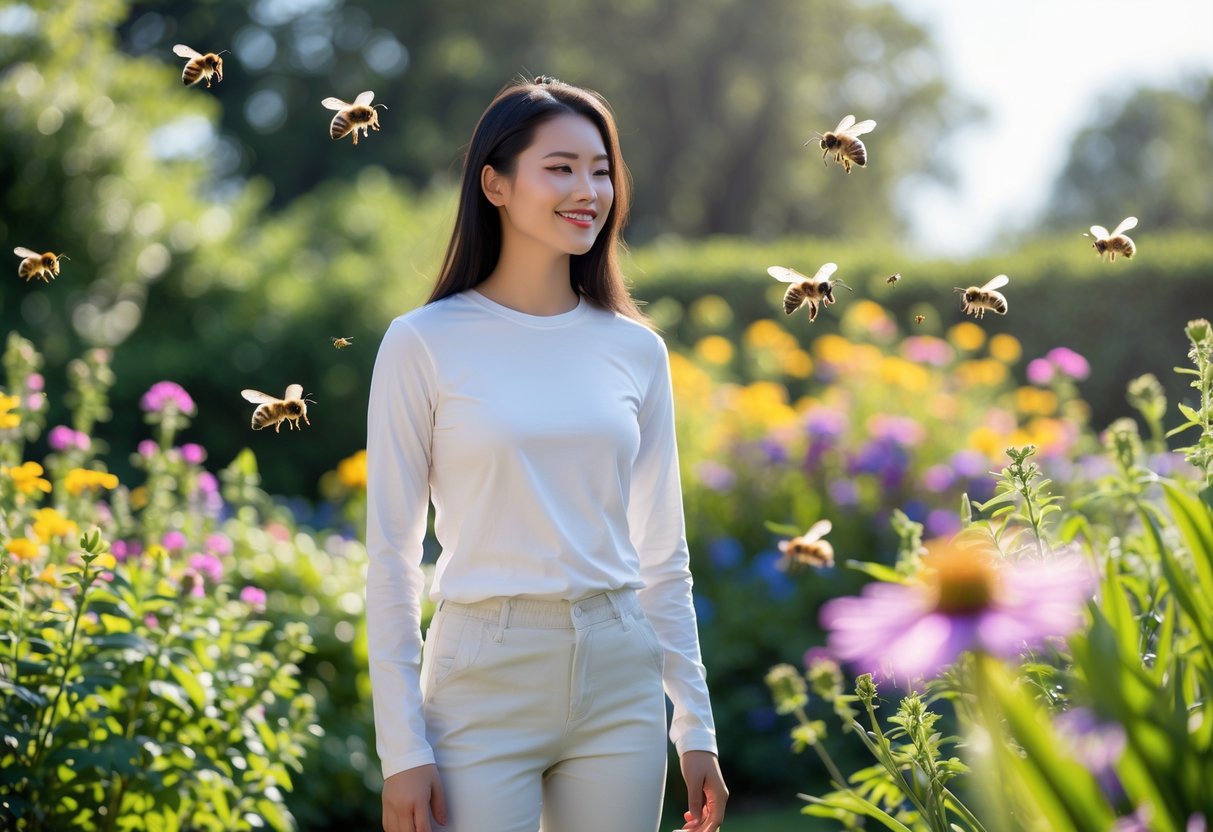
Besides picking the right color, you can do a few other things to keep bees away. Paying attention to scents, using natural repellents, and knowing what draws bees in can make a difference.
Scented Products and Their Impact
Bees love strong smells like perfume, cologne, and scented deodorants. These scents can trick bees into thinking you’re a flower or a source of nectar.
Try to stick with unscented or lightly scented products if you’re heading outside. Dryer sheets in your pockets might actually attract bees because of their smell.
Avoid floral or sweet scents—bees naturally go for those. If you need insect repellent, choose one that’s made to repel bees and skip the scented versions.
Natural and Essential Oil Repellents
Some natural oils can help keep bees at bay. Eucalyptus, peppermint, citronella, and lavender oils are popular picks.
You can dilute these oils and dab a little on your skin or clothes. Peppermint and eucalyptus give off a strong, minty scent that bees don’t like.
Citronella is famous for keeping lots of bugs away, bees included. Just don’t go overboard with the oils—too much can irritate your skin.
You can also use these oils in sprays around your home or picnic spot if you want to see fewer bees.
Other Factors That May Attract Bees
Bees love flowers that produce nectar. Yellow, purple, and red blooms seem to draw them in the most.
If you hang out near dandelions or wildflowers, you’ll probably spot more bees buzzing around. White flowers don’t seem to catch their eye as much, so maybe avoid the really bright blossoms if you want fewer bees.
Bees also react to things in their environment, like varroa mites hanging around hives. You won’t really notice this yourself, but bees from infested hives might act a little off.
Try not to make sudden movements or swat at bees—honestly, that just makes them more likely to sting. If you move calmly and keep sweet or sticky food covered, you’ll probably get less attention from them.


