
Ever wondered about the ancient symbol for a bee? It’s more than just a bug—bees connect deeply to power, wisdom, and community. Across old cultures, people saw bees as sacred, not just as insects. They stood for royalty, hard work, and sometimes even divine messages.
The ancient bee symbol usually appeared as a simple bee or hive. It stood for leadership, fertility, and protection.

In ancient Egypt, people linked bees to kingship and royal authority. That’s not something you’d expect at first, right? The Celts and Greeks also saw bees as wise or as messengers from the gods.
These meanings show how deeply bees shaped beliefs and stories. It’s strange to think such a tiny insect could hold so much weight in human culture.
Exploring this symbol opens up a new way to see nature, society, and spirituality. Dive into the rich history of bee symbolism throughout history if you’re curious.
The Ancient Bee Symbol in Egypt, Greece, and Beyond
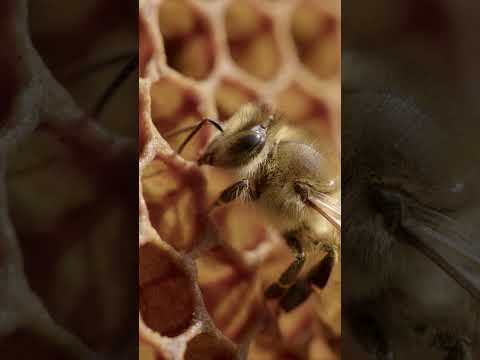
Bees have played important roles in many cultures for a long time. People have linked them to royalty, hard work, and sacred rituals in places like ancient Egypt and Greece.
Their influence goes far beyond honey. Bees connect ideas about nature, power, and belief systems.
Bee Hieroglyphs and Royal Symbols in Ancient Egypt
In ancient Egypt, the bee wasn’t just an insect—it was a royal symbol. It represented Lower Egypt, while Upper Egypt’s symbol was a reed.
The king’s name often included the bee hieroglyph. That showed his power over the land.
Egyptians treated bees and honey as sacred. They used honey in rituals and gave it as offerings to the gods.
You might spot beehives near temples, which hints at how important people thought bees were as pollinators and as bringers of sweetness and healing.
The Bee on Ancient Greek Coins and the Temple of Artemis
In ancient Greece, bees stood for hard work, purity, and prosperity. You’ll see bee images on coins, especially from the city of Ephesus.
Ephesus had the famous Temple of Artemis. There, people connected bees to the goddess and the ideas of fertility and protection.
Bees weren’t just a symbol for money. They also had spiritual meaning, showing the link between people, nature, and the gods.
At temples like Artemis’s, rituals honored bees and their gifts. People really respected these hardworking insects.
Sacred Bees in Myths, Rituals, and Beliefs
Myths and rituals from many places feature sacred bees. Egyptians saw bees as symbols of life and protection, tied closely to kingship.
Greeks viewed bees as divine messengers, healers, and symbols of immortality. Honey played a big role in offerings and sacrifices, connecting bees to religious beliefs.
People treated beekeeping as a sacred act. They believed it brought them closer to the gods through nature.
You can dig into their religious and royal roles in the legend of the sacred bee in ancient Egypt and at the Temple of Artemis in Ephesus.
Mythological and Spiritual Meanings of the Bee

Bees show up in powerful stories and beliefs. You’ll find them in tales about gods, symbols of life and rebirth, and in ancient rituals.
Their presence ties us to mysteries about creation and the divine. It’s kind of wild how often they pop up.
Bees in Creation Myths and the Divine
Some ancient myths say bees came from the tears of the sun god Ra. That’s a pretty direct link between the divine and nature.
Egyptian stories use bees to symbolize power and life. In Greek myths, bees are close to gods like Zeus and Artemis.
People thought bees acted as messengers and helpers to gods. That made them a bridge between mortals and the divine.
You’ll even find images of winged bee goddesses from Crete. These show bees as symbols of divine power.
Melissa, the Nymphs, and the Melissae Priestesses
Melissa, a nymph, became famous for teaching humans to use honey. That links bees to guidance and nurturing.
The name Melissa literally means “bee” in Greek. That’s a pretty direct connection.
The Melissae were priestesses in ancient Greece who associated themselves with bees. These women served as oracles and spiritual guides, carrying the wisdom and spirit of the bee.
They kept the bee’s symbolism alive in rituals. Nymphs, often tied to nature, protected bees.
This made bees a symbol of care, protection, and sacred knowledge.
Bees as Symbols of Life, Rebirth, and Afterlife
Bees stand for life cycles—birth, death, and rebirth. Ancient Egyptians saw the bee as a symbol of Lower Egypt. It represented kingship and the idea of eternal life.
The story goes that Ra’s tears turned into bees, which really captures this idea of life springing from something divine. Honestly, bees seem to represent so much more than just hard work or honey.
They carry the meaning of life’s cycles and the hope that maybe there’s something after death. A lot of ancient cultures believed bees carried souls or helped people connect with the afterlife.
That belief gives bees a kind of power as symbols of protection and transformation. They link us to ideas about life’s journey continuing beyond the physical world.
Learn more about the ancient symbol for bees.


