
As a dog owner, you may notice various behaviors that your furry friend exhibits daily. While many of these actions can be quirky or amusing, it’s crucial to recognize which behaviors require your attention.
You should never ignore excessive barking. It can indicate stress, anxiety, or discomfort. Understanding this can help you better care for your pup and enhance your bond.

Barking is a common dog behavior but can signal different issues when it becomes excessive. By tuning into your dog’s barking, you can identify possible triggers, whether it’s boredom, fear, or a need for attention.
Addressing these concerns early can lead to a happier and healthier canine companion, ensuring their needs are met.
Keeping an eye on your dog’s behavioral patterns is key to being a responsible pet owner. Relying on your knowledge of canine behavior will help you notice changes that might indicate a problem.
Remember, your dog relies on you to understand their needs, so being proactive is essential for their well-being.
Recognizing Signs of Aggression
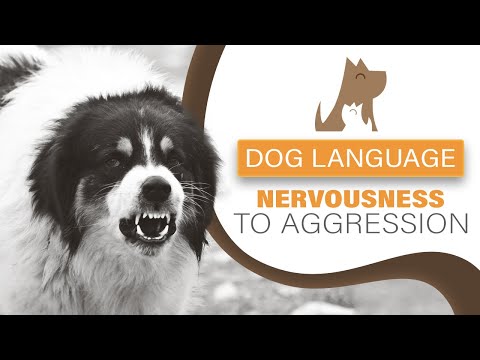
Awareness of aggressive behaviors is crucial for keeping both you and your dog safe. Recognizing these signs can help you intervene early and avoid dangerous situations. Understanding the causes behind aggression can also guide you in managing your dog’s behavior effectively.
The Dangers of Ignoring Aggressive Behaviors
Ignoring signs of aggression in your dog can lead to serious consequences. A dog may growl, stare, or lunge when feeling threatened. These behaviors signal discomfort or a desire to protect territory. If your dog feels cornered, it might bite. This can cause harm to you or others.
Some common signs of aggression include:
- Growling: A clear warning that your dog is not happy.
- Staring: Intense eye contact can indicate a challenge.
- Body Language: Stiff muscles, raised hackles, or a tucked tail show that your dog is stressed.
Addressing these behaviors promptly is important. Doing so can help prevent escalation into more serious issues.
Understanding Causes of Aggression
Aggression in dogs can come from various sources. Fear is often a primary cause. When a dog feels scared, it may react defensively. This could happen during loud noises or unfamiliar situations.
Another factor is past experiences. Many adopted dogs may have a history that influences their behavior. Traumatic events can lead to mistrust or anxiety, resulting in aggression.
Other reasons dogs may show aggression include:
- Resource Guarding: Protecting food or toys.
- Territorial Behavior: Defending their home from perceived intruders.
Being aware of these causes can help you support your dog better. Seeking professional help, like a trainer, can also lead to positive changes. Remember, understanding and patience are key.
Managing Anxiety-Related Issues

Managing anxiety in dogs is crucial for their well-being. You may notice specific behaviors that signal your dog is struggling with anxiety. Understanding these behaviors can help you provide the support your pet needs.
Dealing With Separation Anxiety
Separation anxiety is a common issue for many dogs. If your dog becomes distressed when you leave, it’s a sign they might be struggling. To help, try these strategies:
- Create a Safe Space: Set up a cozy area where your dog feels secure. Include their favorite toys and bedding.
- Practice Short Departures: Get your dog used to being alone by starting with brief absences. Gradually increase the time apart.
- Use Positive Reinforcement: Reward your dog with treats when they stay calm during your departure. This builds positive associations with being alone.
- Consider Scent Comforts: Leaving a piece of your clothing can soothe your dog while you’re away.
Be patient as your dog learns to cope with being alone.
Identifying Signs of an Anxious Dog
It’s important to recognize signs of anxiety early. An anxious dog may display various behaviors, including:
- Excessive Barking: If your dog barks more than usual, especially when left alone, they might be feeling anxious.
- Pacing or Restlessness: Notice if your dog can’t settle down or keeps moving from one spot to another.
- Destructive Behavior: Chewing or scratching furniture can be a sign of stress or anxiety.
- House Soiling: If your dog has accidents indoors despite being trained, anxiety may be a factor.
By watching for these behaviors, you can address anxiety issues early and help your dog feel more at ease.
Addressing Destructive and Inappropriate Behaviors

Destructive behaviors, like chewing and digging, can be frustrating for any dog owner. Addressing these issues early can help create a better environment for both you and your dog.
Curbing Destructive Chewing
Destructive chewing is a common issue you might face. It often happens when your dog is bored, anxious, or not getting enough physical activity.
To curb this behavior, provide plenty of toys designed for chewing. You can also try positive reinforcement by rewarding your dog when they choose their toys over household items.
If they chew something inappropriate, don’t scold them. Instead, redirect their attention to an acceptable toy.
Additionally, make sure your dog gets regular exercise. This can reduce boredom and help keep their energy in check.
Preventing Inappropriate Elimination
Inappropriate elimination, or house soiling, can be a serious concern. This behavior may stem from anxiety, a lack of training, or even medical issues.
First, it’s important to rule out any health problems by consulting your vet.
To prevent this, establish a consistent potty schedule to help your dog understand when and where to go. Take them outside regularly, especially after meals and playtime.
If an accident happens inside, clean it thoroughly to remove any lingering scent that might draw your dog back.
Also, consider creating a safe space where your dog can feel secure. This can help reduce anxiety and the urge to dig or eliminate in unwanted areas.
Effective Training Techniques

Using effective training techniques is essential for helping your dog learn good behaviors. Two key methods are positive reinforcement and creating a consistent training plan. Both approaches will encourage better responses from your dog and strengthen your bond.
Implementing Positive Reinforcement
Positive reinforcement is a powerful method for dog training. This technique rewards your dog for good behavior, making it more likely that they will repeat that behavior in the future.
Rewards can include treats, praise, or playtime.
For example, when your dog sits on command, immediately give them a treat. This reward teaches them that sitting leads to something enjoyable.
Make sure to choose rewards your dog loves.
You can also use a clicker to mark the desired behavior before giving the reward. This helps your dog understand exactly what they did right, making training clear and fun.
Creating a Consistent Training Plan
A consistent training plan is vital for effective dog training.
Set specific times each day for training sessions. Short, focused sessions work best. Aim for 5 to 10 minutes several times a day.
During each session, focus on one or two commands at a time. Using the same words and hand signals reduces confusion. It’s also essential for everyone in your home to use the same commands to ensure consistency.
Keep a log of your dog’s progress. Note which commands they are mastering and which need more work. This record helps you adjust your training plan as needed and keeps you motivated. Consistency in your training will lead to better behavior and a happier dog.


