
Bringing a Cocker Spaniel puppy into your home is exciting, but it can come with challenges like house training. You might find yourself frustrated if your puppy keeps peeing indoors.
To stop your Cocker Spaniel puppy from peeing in the house, you need to do consistent potty training and take your puppy outside regularly.
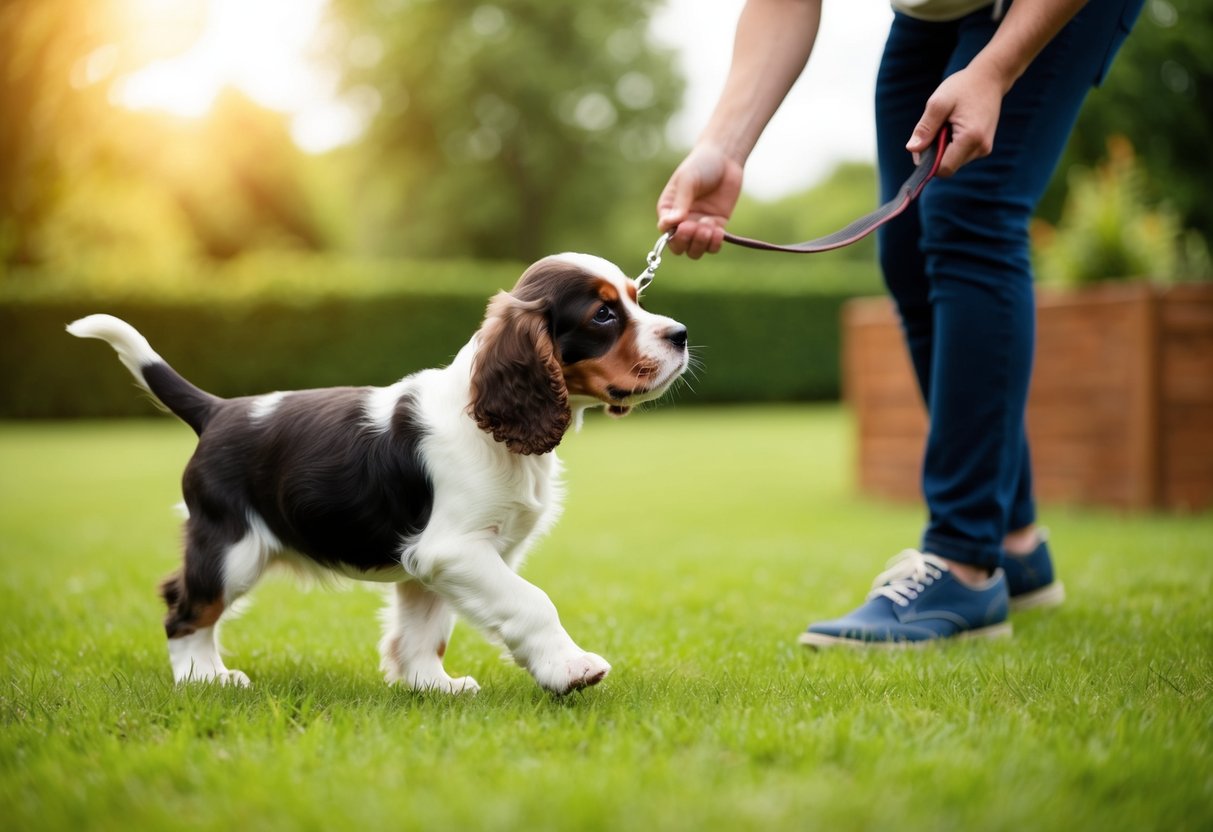
Understanding your puppy’s needs is key. Cocker Spaniels are eager to please, but they might not know when and where it’s appropriate to relieve themselves. Focusing on positive reinforcement can encourage them to do their business outside.
Patience is critical during this process. Puppies learn at their own pace, and occasional accidents are part of the journey. With the right training techniques and a little time, you can help your puppy understand proper bathroom behavior.
Understanding Puppy Behavior and House Training Basics
Understanding your Cocker Spaniel puppy’s behavior is essential in house training. By establishing a consistent routine, you can effectively shape their habits and reduce indoor accidents.
The Importance of Establishing a Routine
Establishing a daily routine helps your puppy learn when and where to eliminate. Cocker Spaniel puppies thrive on consistency.
Start by taking your puppy outside at regular intervals. This includes:
- After waking up
- After meals
- After playtime
- Before bedtime
Using a designated spot outdoors makes it clear where they should go. Take them to this spot every time. Praise them immediately after they eliminate outside. This positive reinforcement teaches them that going outside is the right behavior.
You should also monitor water intake. Limit drinking before bedtime to reduce nighttime accidents.
Cocker Spaniel Puppy Characteristics
Cocker Spaniel puppies are known for their friendly and playful nature. They are intelligent and eager to please, which is great for training.
However, they can be easily distracted. This means you must be patient and consistent. Use simple commands and lots of praise.
Keep in mind that puppies have small bladders. They may need to go out every hour or two, especially right after meals or naps. If your puppy has an accident, avoid punishment. Instead, clean the area thoroughly to remove any scent, which could lead to future accidents.
Potty Training Strategies for Your Puppy
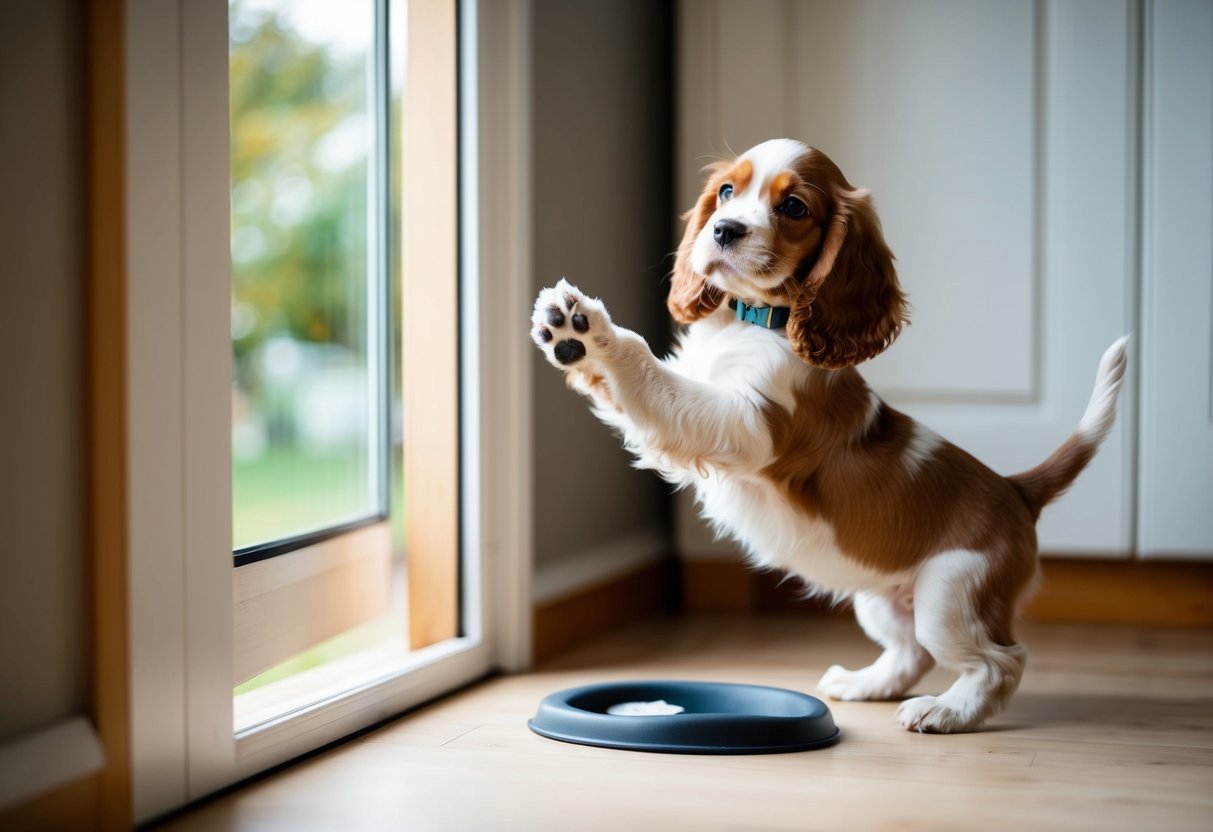
Potty training your cocker spaniel puppy can be a rewarding experience with the right strategies. Consistency, patience, and positive reinforcement are key elements to help your puppy learn where to go. Here are some effective techniques to try.
Developing a Consistent Potty Break Schedule
Creating a regular potty break schedule is essential for successful training. Take your puppy out first thing in the morning, after meals, and before bedtime.
Aim for every two hours during the day, especially after playtime or drinking water.
Always take your puppy to the same spot outside. This helps them associate that area with going potty.
Using a command like “go potty” can encourage them to do their business when they are outside.
Repeat this schedule consistently, even on weekends, to help your puppy develop good habits.
Using Positive Reinforcement Techniques
Positive reinforcement is a powerful tool in potty training. When your puppy goes in the right spot, offer praise or give them a small treat right away.
This shows your puppy that they did something good.
Avoid punishing your puppy for accidents. Instead, redirect them to the right spot and reward them when they make the effort.
Keep a stash of your puppy’s favorite treats handy.
You can also use verbal praise and petting as rewards. This will help your puppy learn faster and build a trusting relationship between you both.
Introduction to Crate Training
Crate training can be a useful method for potty training. Dogs naturally avoid soiling their sleeping area.
Start by introducing your puppy to the crate slowly, making it a safe and comfortable space.
Keep them in the crate for short periods, gradually increasing the time.
Always take your puppy out for potty breaks before and after crate time.
This helps them learn to hold it while in the crate and reinforces the idea that going outside is the right choice.
Provide toys or a cozy blanket to make the crate inviting.
Addressing Accidents with Patience
Accidents will happen. It’s important to handle them calmly.
If you catch your puppy in the act, gently interrupt by saying “no” and take them outside to the right spot.
If an accident occurs inside, clean up thoroughly to remove any scents that might attract them again.
Using enzymatic cleaners can help with this.
Remember that patience is key during this training process.
Every puppy learns at their own pace, so maintain a positive attitude. Your understanding and encouragement will make a big difference in their training journey.
Dealing with Medical and Behavioral Issues

It’s essential to address both medical and behavioral issues that may cause your Cocker Spaniel puppy to urinate in the house. Identifying these problems early can help you find the right solutions.
Recognizing Signs of Medical Concerns
If your puppy is suddenly peeing inside, it could be a sign of a medical issue. Common problems include urinary tract infections, bladder infections, kidney disease, or even diabetes. Look for symptoms like frequent urination, straining while urinating, or blood in the urine.
If you notice changes in your puppy’s behavior, such as increased thirst or accidents in the house, consult a veterinarian. They can perform tests to determine if your pup has a medical condition needing treatment. Early detection can prevent further complications.
When to Seek Professional Dog Training Help
Sometimes, urine issues arise from behavioral problems rather than medical ones. If you notice your puppy often pees when greeting people or during stressful situations, it may be due to submissive or excited urination.
In these cases, seeking help from a professional dog trainer can provide effective strategies. They can guide you on how to build your puppy’s confidence and proper potty training methods. Supervise your puppy closely, especially in new situations or around guests, to manage their behavior better.
Differentiating Submissive and Excited Urination
Understanding the difference between submissive and excited urination is crucial. Submissive urination happens when your puppy feels anxious or intimidated, often seen when they meet new people. Your puppy may crouch down and release urine as a sign of submission.
Excited urination, on the other hand, occurs when your puppy is overly thrilled, such as during greetings. This is more common in young pups. Both issues are usually temporary, but patience and consistent training are key to managing them. Using an enzymatic cleaner can help eliminate odors and prevent your puppy from marking the same spot again.
Creating a Clean and Supportive Home Environment
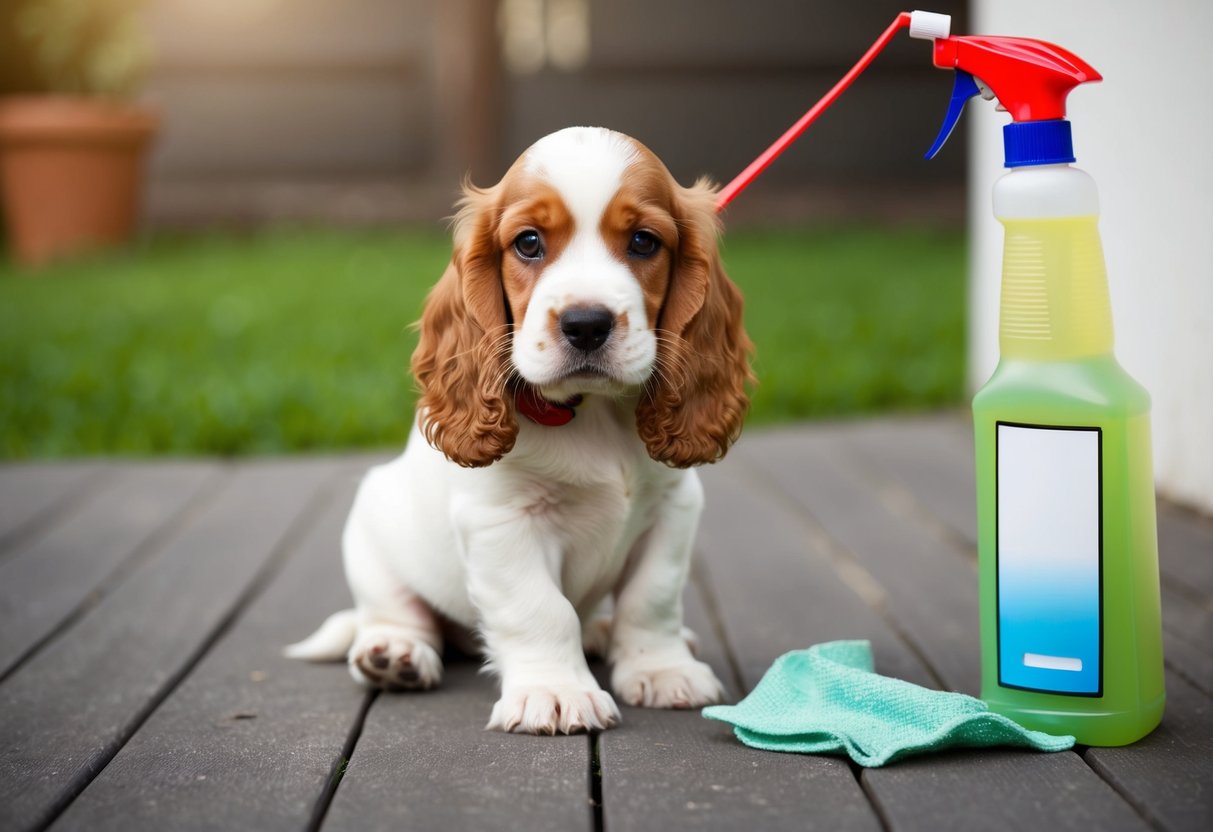
Creating a clean and supportive home for your Cocker Spaniel puppy is vital to help them stop accidents inside. You’ll need effective cleaning strategies to remove any urine odor and have emergency interventions ready for immediate accidents.
Effective Cleaning to Remove Urine Odor
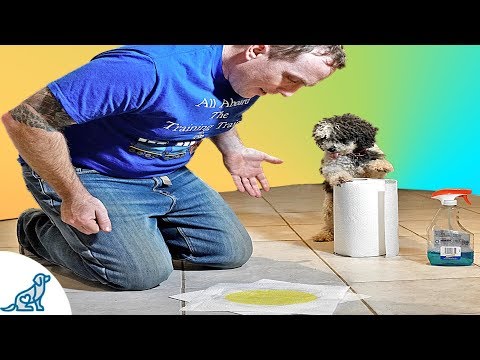
When your puppy has an accident, it’s important to clean the area properly. Use an enzymatic cleaner specifically designed for pet messes. These cleaners break down the proteins in urine, which helps eliminate odors that can encourage your puppy to urinate in the same spot again.
- Blot the Area: Start by blotting up as much urine as possible with paper towels. Press down firmly but avoid rubbing the spot.
- Apply Cleaner: Follow the instructions on your enzymatic cleaner. Make sure to cover the entire area and surrounding spots.
- Let it Sit: Allow the cleaner to sit for the recommended time. This step is crucial for it to work effectively.
- Rinse: If advised, rinse the area with water and blot dry.
By removing the urine odor entirely, your puppy will be less likely to return to that spot.
Emergency Interventions for Immediate Accidents
Accidents can happen, even with the best training. When your puppy pees indoors, stay calm and act quickly.
Supervision is key during this time.
- Redirect Attention: If you catch your puppy in the act, gently redirect them outside. Praise them when they finish outside.
- Prepare for Accidents: Keep pee pads in areas where your puppy spends time. This can help you manage accidents while they learn.
- Create a Routine: Take your puppy outside frequently, especially after meals or playtime. This will help them understand when and where it’s appropriate to relieve themselves.


