
Ever heard a bird copying the songs of others or even mimicking weird noises like insects or car alarms? Chances are, you’ve run into a mockingbird. These birds don’t just sing—they put on a show, switching between sounds with wild skill. We just call it a mockingbird, and if you want to get scientific, it’s Mimus polyglottos—especially when we’re talking about the common northern mockingbird in North America.
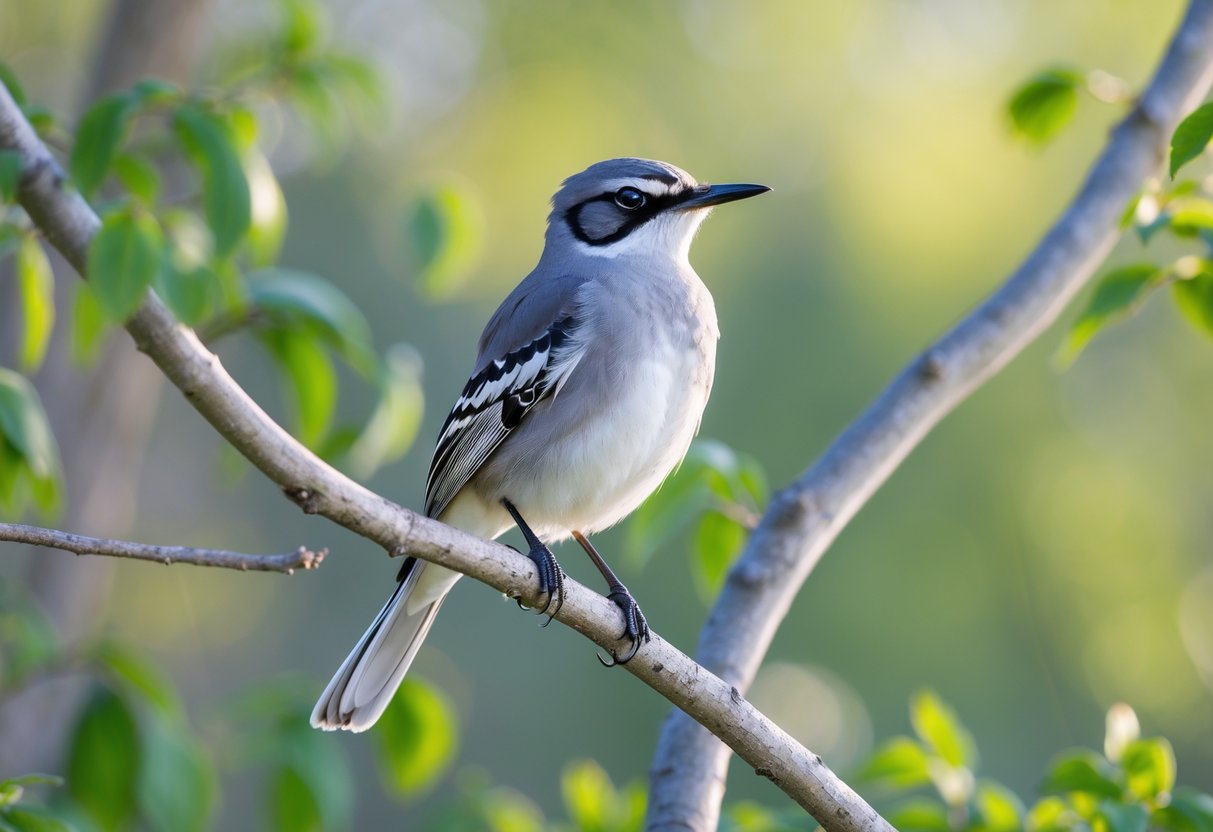
Mockingbirds aren’t just talented singers. They’re curious little creatures, and they can even recognize people who hang around their turf.
You might catch their songs late at night or see them go all out defending their nests.
Once you learn what makes mockingbirds so special, you’ll probably notice them everywhere.
If you’re wondering where mockingbirds live, what’s on their menu, and why they never seem to shut up, stick around—there’s plenty to discover about these chatty birds.
What Is a Mocking Bird Called?
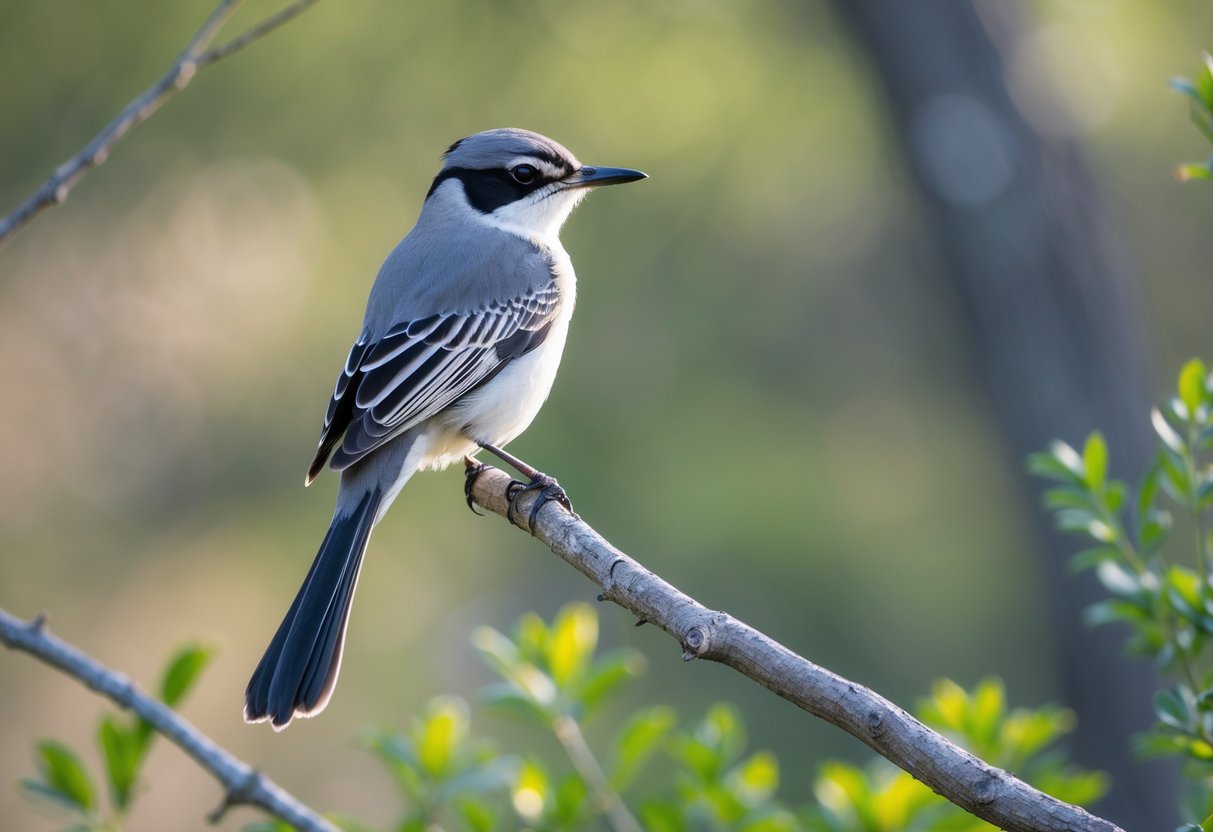
So, what do we actually call this bird that copies everything? Its names—both formal and casual—tell you a lot about its habits and where it comes from.
You’ll see scientific names, everyday nicknames, and even a few quirky group names.
Scientific Name of the Mockingbird
The most common mockingbird in North America goes by the scientific name Mimus polyglottos.
Mimus means “mimic” or “imitator” in Latin, and polyglottos translates to “many-tongued.” Pretty fitting, right?
This bird belongs to the Mimidae family, along with other mimics like thrashers and catbirds.
Knowing its scientific name helps you figure out exactly which mockingbird you’re talking about—since there are about 17 species out there.
The northern mockingbird (Mimus polyglottos) is the one most people mean when they say “mockingbird.” Even the name hints at its knack for “speaking” all kinds of songs.
Common Names and Nicknames
Most folks just call it the mockingbird, thanks to its habit of “mocking” or copying other birds.
If you’re in North America, you’ll probably hear it called the northern mockingbird, since that’s the local superstar.
The name “mockingbird” comes straight from its talent for mimicking everything from other animals to random mechanical noises.
It’s more than just being loud—they use these sounds to claim their territory and attract mates.
Back in the day, people sometimes called it the “mucking bird,” which got mixed up with “muck.” Bird fans eventually pushed for the friendlier “mockingbird.” So when you hear “mockingbird,” you’re really tipping your hat to its wild vocal range.
Group Names for Mockingbirds
When you spot a bunch of these birds together, you can use some fun group names.
The most common one is a “scold.” It fits, since they’re always chattering and making a racket.
You might also hear a group called a “mimicry” of mockingbirds, which really highlights their main trick.
These terms aren’t super common, but they do remind you how unique mockingbirds are.
Next time you see a noisy bunch, just say you’ve found a scold of mockingbirds—it’s a pretty great way to sum up their vibe.
If you want to dig deeper into the northern mockingbird’s name and family, check out this mockingbird scientific classification.
Mockingbird Species and Mimicry Abilities

Mockingbirds make up a surprisingly diverse group, and their singing skills are just wild.
They belong to several species, and each one brings something a little different to the table.
Their strong ability to imitate sounds really shapes how they act and survive.
Let’s not forget what they eat—turns out, their diet keeps them energetic and ready to sing all day.
Different Mockingbird Species
About 17 species of mockingbirds exist.
The Northern Mockingbird is the one you’re most likely to spot in North America.
Other species call places like the Galápagos Islands and Central and South America home.
You’ll find birds like the Bahama mockingbird and the Tropical mockingbird in those regions.
Northern mockingbirds are especially territorial, especially when they’re raising chicks.
They defend their space with a lot of attitude, chasing off other birds and even bigger animals.
Mockingbirds belong to the Mimidae family, which also includes thrashers and catbirds.
Some traits run in the family, but mockingbirds really stand out for their mimicry skills.
They’re just fun to watch—and even more fun to listen to.
Vocal Mimicry and Bird Songs
Mockingbirds have made a name for themselves with their vocal mimicry.
You might hear them repeating the sounds of cardinals, robins, insects, or even weird stuff like car alarms.
Adult male northern mockingbirds can belt out up to 200 different sounds.
That huge variety helps them hold onto their territory and impress potential mates.
They mostly learn new songs when they’re young, then stick with those tunes for life.
Their habit of mixing sounds into fast, long strings makes their singing style totally unique.
Some mockingbirds even recognize people and change how they act if they think you’re a threat.
It’s just another way their smarts and mimicry help them survive.
Mockingbird Diet and Feeding Habits
Your local mockingbird eats all sorts of things—mostly insects, some fruits, a handful of seeds, and even a bit of greens now and then. That mix keeps them fueled for their busy days and those long, musical nights.
They really go after beetles and caterpillars, especially when they’re feeding their chicks. Fruits add a sweet boost and some nutrients, while seeds and greens round things out.
Mockingbirds don’t stick to one menu. They change up what they eat based on whatever’s around. That kind of flexibility? It lets them thrive in all sorts of places, no matter the season.
Thinking about inviting mockingbirds to your yard? Try planting native fruiting shrubs or trees. You’ll give these singers both a snack and a place to hide.


