
Ever wondered what you call a girl who’s got that lion-like strength and grace? A female lion is called a lioness, and honestly, people use that word for women who are brave, protective, and just naturally take charge. Let’s dig into what “lioness” really means and how it pops up way beyond animal facts.

Let’s look at how lionesses live inside their pride, why they matter so much, and how those real-life roles shape the way people use the word for women and characters. Nature and language really collide in this one powerful word.
What Is a Lion Girl Called?

A female lion goes by “lioness.” The word has a pretty straightforward meaning, but let’s see how lionesses differ from male lions and clear up some common myths.
The Meaning and Origin of Lioness
“Lioness” simply means an adult female lion. The word comes from adding “-ess” to “lion” to show it’s female.
People have used “lioness” in English writing for centuries when they want to make it clear they’re talking about a female. Biologically, a lioness is an adult female Panthera leo.
In the wild, you’ll spot lionesses hunting, raising cubs, and really holding the pride together. Field guides and animal books always use “lioness” for female lions, so there’s no confusion.
Difference Between Lioness and Lion
“Lion” can mean the whole species or just a male. Male lions usually have a mane and are heavier.
Lionesses don’t grow that big mane, and they’re more slender and lighter than the males. When it comes to roles, lionesses do most group hunting and take care of the cubs.
Males mostly defend territory and handle threats from rivals. Sometimes they share duties, but you’ll see that most hunting and raising cubs falls to the females.
Common Misconceptions About Female Lions
Some people say male lions lead while females just follow. That’s not really true.
Lionesses often lead daily life in the pride. They stick together in related groups, organize hunts, and raise cubs as a team.
Another myth claims lionesses never fight or defend territory. Actually, they do—lionesses will defend the edges of their territory and fight off other females if they have to.
Some folks think only males hunt big prey, but lionesses plan strategies to take down large animals and work together to get the job done.
If you want more details on lioness behavior, check out this overview at Wild Explained (female lion).
Life and Role of the Lioness in the Pride
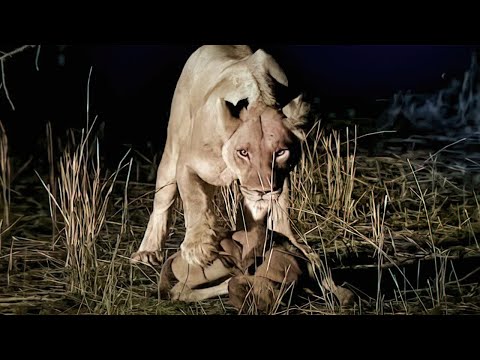
Lionesses really form the core of a pride. They lead hunts, watch over the cubs, and keep social bonds tight.
Males usually focus on defending territory and taking on bigger threats.
Social Structure and Female Leadership
A pride centers on related females—mothers, daughters, sisters. These lionesses stick together for years and split up hunting and cub care.
Females often get ranked by age and experience, not by size or who’s got the biggest mane. You can see leadership in how they coordinate daily routines.
Older lionesses pick den sites, decide when to move, and choose when to hunt. Males might come and go, but the female network keeps the pride’s social life strong.
This female-led setup really helps keep cubs safe and food on the table.
Key facts:
- Pride makeup: several related females, their cubs, and a few males.
- Female bonds: they last, with lots of grooming and close sleeping.
- Decision roles: older lionesses call most of the daily shots.
Hunting Strategies and Teamwork
Lionesses hunt together to catch prey like zebras and wildebeest. They use stealth, keep their distance, and time their charges just right.
Each lioness has a job—some sneak around the sides, others drive prey into ambush spots. They mostly hunt at dawn, dusk, or night to take advantage of cooler temps and low light.
Working as a team means they can bring down bigger animals than one lioness could manage. Males sometimes join in for big kills, but lionesses handle most of the hunting.
Practical points:
- Techniques: stalking, flanking, ambushes.
- Timing: mostly at dawn, dusk, or night.
- Outcome: teamwork means more food for everyone.
Raising Lion Cubs
Lionesses share cub care, a behavior called communal rearing. Mothers nurse and protect their own cubs, but other lionesses help out by grooming, babysitting, and guarding the den.
This teamwork helps more cubs survive and teaches them important skills. Cubs stay hidden for a few weeks, then start joining the pride as they get older.
Lionesses teach them how to stalk and play-fight, which builds strength and helps them learn social rules. The biggest threat? Male takeovers—new males might kill unweaned cubs, so the females have to work together to keep the little ones safe.
Important notes:
- Early life: dens and secret nursing for safety.
- Learning: social play turns into hunting skills.
- Risk: pride takeovers can put cubs in danger.
Night Vision and Adaptations
Lionesses, like most big cats, have eyes made for the dark. Their retinas pack in tons of rod cells, and there’s this cool reflective layer—the tapetum lucidum—that cranks up their night vision.
That’s why they’re so good at hunting when the sun goes down. If you look at their bodies, you’ll see they’re strong and flexible. Their padded paws? Those let them move almost silently.
It’s wild how all these traits work together. Vision and stealth turn lionesses into top predators after dusk.
Key traits:
- Vision: high rod density and tapetum lucidum.
- Movement: silent paws and flexible spine.
- Advantage: improved hunting in low light.


