
A squirrel bite can really catch you off guard. Usually, it just leaves a small wound and maybe gives you a bit of a scare.
If you act quickly—wash the bite, keep an eye out for infection, and talk to a doctor if the wound is deep or the squirrel seemed off—you’ll seriously lower your risk of any complications.

Let’s get into what you should look out for, when you should see a doctor, and some straightforward steps to treat the wound.
That way, you’ll know how to protect yourself and won’t panic if a squirrel ever bites you.
What Happens If a Squirrel Bites You?

A squirrel bite might be a quick puncture or a jagged tear. Clean it up right away, watch for swelling or fever, and know which symptoms you should tell your doctor about.
Do Squirrels Bite Humans?
Yeah, squirrels do bite people, but it’s not super common. Most bites happen if you try to hand-feed one, corner it so it can’t escape, or mess with its nest by accident.
Adult squirrels really go into defense mode if you get near their babies, so if you approach a baby squirrel, the parent might bite.
They’ve got sharp front teeth made for cracking nuts, and they act on instinct when they’re scared.
If a squirrel bites you, just back away slowly and let it leave. No need to stick around and risk another bite.
What Does a Squirrel Bite Look Like?
You’ll usually see small puncture wounds or two holes from those big front teeth.
Sometimes it’s just one or two deep marks surrounded by redness. If the squirrel lunges more than once or pulls at your skin, you might get a bigger, torn wound that bleeds more.
Watch for swelling, spreading redness, warmth, or pus in the next day or two. These can mean an infection is brewing.
Take a clear photo of the wound if you decide to get medical care—it’s handy for your records.
Are Squirrel Bites Dangerous?
Most of the time, squirrel bites aren’t life-threatening, but they can get infected.
Any bite that breaks the skin lets bacteria from the squirrel’s mouth into your tissue. Deep bites on your hands, feet, or near joints are riskier because they’re tougher to clean out.
You should see a doctor if the bite is deep, keeps bleeding, shows infection, or if you have a weak immune system or certain health problems.
If the squirrel acted weird, mention that too—it can change how your doctor thinks about rabies.
Squirrel Bite Risks and Diseases
Squirrels can carry germs that might cause problems after a bite. Rabies in squirrels is extremely rare, but if an animal was acting odd, public health experts say you should get checked for rabies risk.
Let your doctor know exactly what the animal did before it bit you.
Other issues include wound infection from bacteria in the squirrel’s mouth or on its skin.
Sometimes, squirrels carry parasites or wildlife germs like salmonella from their poop, or—though it’s not common—leptospirosis from their urine.
Tick-borne infections like Lyme disease are a separate risk if ticks were involved, but not from the squirrel bite itself.
If your pet got bitten, take it to the vet and make sure its shots are up to date.
For people, doctors might clean the bite, prescribe antibiotics, update your tetanus shot, or think about rabies treatment depending on the situation.
If you tried to feed or handle the squirrel, mention that. Feeding makes bites more likely, and it matters for figuring out disease risk.
How to Respond to a Squirrel Bite
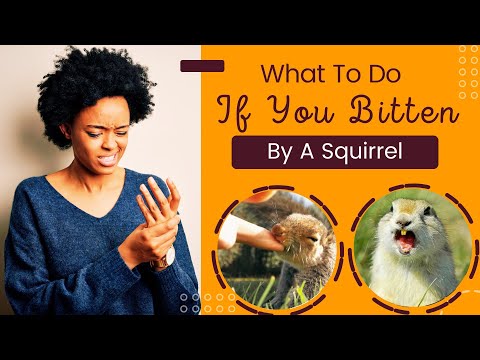
Move fast, clean the bite well, and keep an eye out for signs of infection.
Know when you should get medical help and whether you need rabies or tetanus protection.
First Aid Steps for Squirrel Bites
Stop the bleeding by pressing a clean cloth on the wound for a few minutes. If the bleeding is heavy or won’t stop, head to urgent care or the ER right away.
Wash the bite under running warm water for at least five minutes. Use soap and gently scrub around and inside the wound to get rid of dirt and germs.
Pat the area dry with a clean towel. Put on an antiseptic solution or rubbing alcohol to disinfect the skin.
If alcohol stings too much, try an iodine-based antiseptic instead.
Cover the wound with a sterile bandage or clean dressing. Change the bandage at least once a day, or sooner if it gets wet or dirty.
Keep the wound covered while it starts to heal.
Preventing Infection After a Bite
Keep the wound clean and dry every day. Always wash your hands before and after you change the bandage so you don’t add new germs.
Watch for signs of infection—more redness, swelling, warmth, pus, red streaks heading toward your heart, or a fever.
If you see any of these, contact a healthcare provider right away.
Skip home remedies like plant poultices or unproven ointments. Stick with recommended antiseptics and clean dressings.
If you have diabetes, a weak immune system, or bad circulation, get care sooner since your infection risk goes up.
If you notice spreading redness or symptoms like chills or a high fever, ask your doctor about antibiotics to stop things from getting worse.
Catching infection early really makes a difference.
When to Seek Medical Attention
Get medical help if the bite is deep, the skin is torn, or you can see muscle or bone.
Deep punctures can trap bacteria and don’t heal well without a doctor’s care.
See a provider if the wound looks infected, pain or swelling gets worse, or you start to feel feverish or get chills.
Go in if you haven’t had a tetanus shot in the last 5–10 years.
If the squirrel seemed off—stumbling, aggressive, or confused—tell your doctor.
They’ll check your rabies risk and may start treatment based on local public health advice.
Write down what happened, the date and time, and how the animal acted.
This info helps your doctor and public health folks decide if testing or rabies steps are needed.
Rabies and Tetanus Precautions
You probably won’t catch rabies from a squirrel—it’s really rare. Still, if there’s a risk, most clinicians stick to CDC guidance.
When an animal acts strangely and you can’t watch or test it, your provider might suggest a rabies vaccine and immunoglobulin just to be safe.
Tetanus becomes more of a concern with puncture wounds. If you got your last tetanus shot over five years ago and the bite is bad, or it’s been over ten years for a minor wound, your provider may go ahead and give you a booster.
Pregnant folks and people with weak immune systems should reach out for advice as soon as possible.
If health officials say you need to capture or test the squirrel, try to follow up on that. Hang on to any records of shots or treatments you get.
Don’t hesitate to ask your clinician about rabies post-exposure prophylaxis and a tetanus shot. It’s always better to lower your risk, even if it feels like overkill.


