
If you want more bees buzzing around your garden, you’ll want to know what food they love most. Bees really go for flowers, since those offer nectar and pollen—their main sources of energy and nutrients.
Nectar fuels their flight with sugar, while pollen gives them the protein they need to stay healthy.
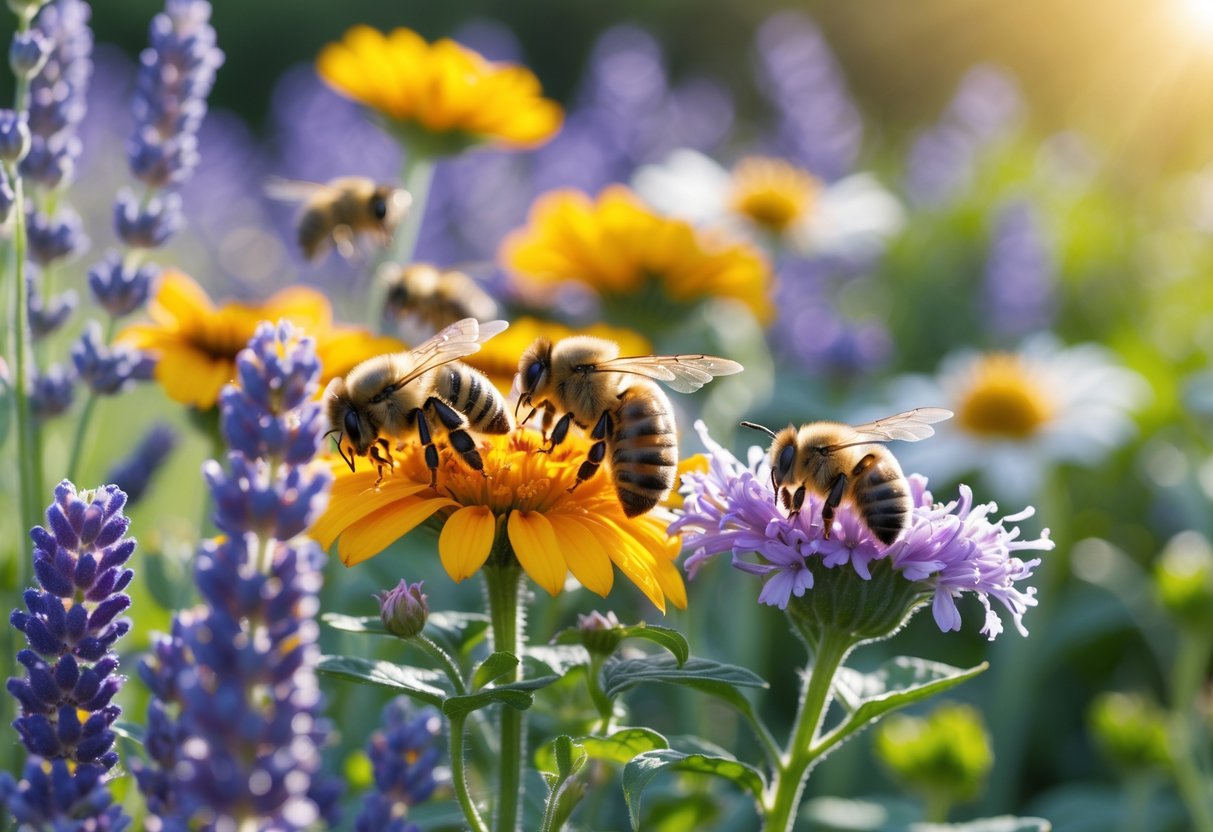
Not every flower gets the same attention from bees. They flock to bright colors, sweet scents, and blooms that make lots of nectar.
Pick the right plants and give them a water source, and you’ll turn your garden into a bee hotspot.
Maybe you’re growing veggies, fruit, or just want to help out the local wildlife. Whatever your goal, understanding what attracts bees will make your garden lively and buzzing.
If you want more info, check out this guide on what food attracts bees the most.
Top Foods That Attract Bees the Most
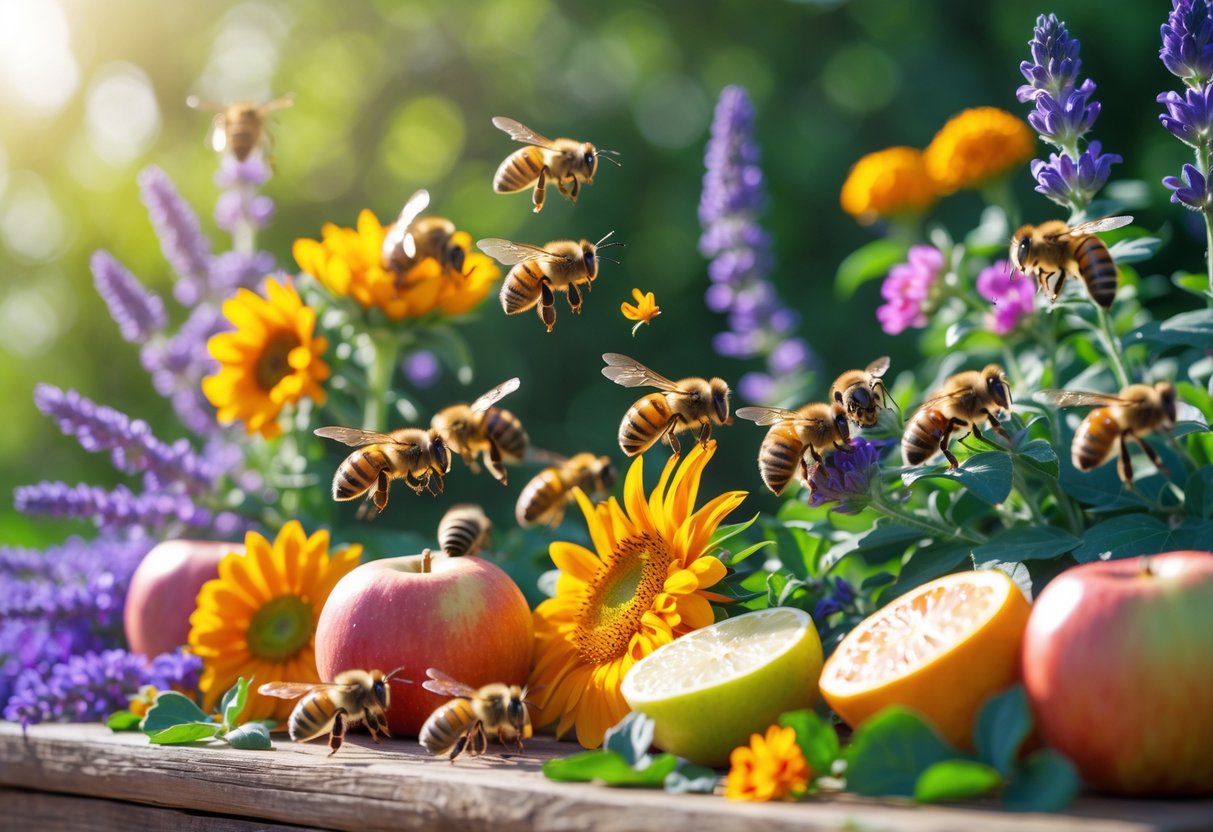
You can bring in all sorts of bees if you give them the right food. Bees need both energy and protein, so go for plants that offer nectar and pollen.
Different bee species like different flowers, depending on where they live.
Flowers and Their Role in Attracting Bees
Flowers are the main reason bees show up in your garden. They visit blooms to get nectar for energy and pollen for protein.
Bees seem to favor brightly colored flowers—especially blue, purple, and yellow.
You could plant clover, sunflowers, or wildflowers, since bees are big fans of those. Flowers with loads of nectar and easy-to-reach pollen get the most visitors.
When you plant these, you help bees and add a little extra life to your yard.
Nectar-Rich Plants Bees Love
Nectar is the sweet stuff inside flowers that bees drink for a quick pick-me-up. Some flowers have more nectar, or it’s just easier for bees to get to.
Try sunflowers, lavender, or citrus blossoms if you want to see more bees.
Sunflowers are great because they give both pollen and lots of nectar. Lavender smells awesome and honey bees can’t get enough of it.
Citrus trees—like orange or lemon—draw bees in during their bloom because of their strong, sweet smell.
Bee-Friendly Herbs
Some herbs are bee magnets thanks to their strong scent and steady supply of nectar. Rosemary, thyme, mint, and basil are all excellent picks.
You can grow these herbs in small spots or even in containers. Bees especially love anything in the mint family, and the long bloom time is a bonus.
A few pots of these herbs can keep your local bees well-fed.
Fruits, Trees, and Shrubs That Bees Seek
Bees also visit fruit trees and shrubs when they’re in bloom. Plum trees, apple trees, and blueberry bushes are big hits.
Flowering fruit trees not only give nectar, but also a bit of shelter. Shrubs like clover provide pollen that helps bee colonies grow strong.
Mixing these into your yard helps keep bees happy from spring through fall.
Want more ideas? Take a look at how to plant wildflowers and fruits at irescuebees.com.
Nutritional Needs and Dietary Preferences of Bees
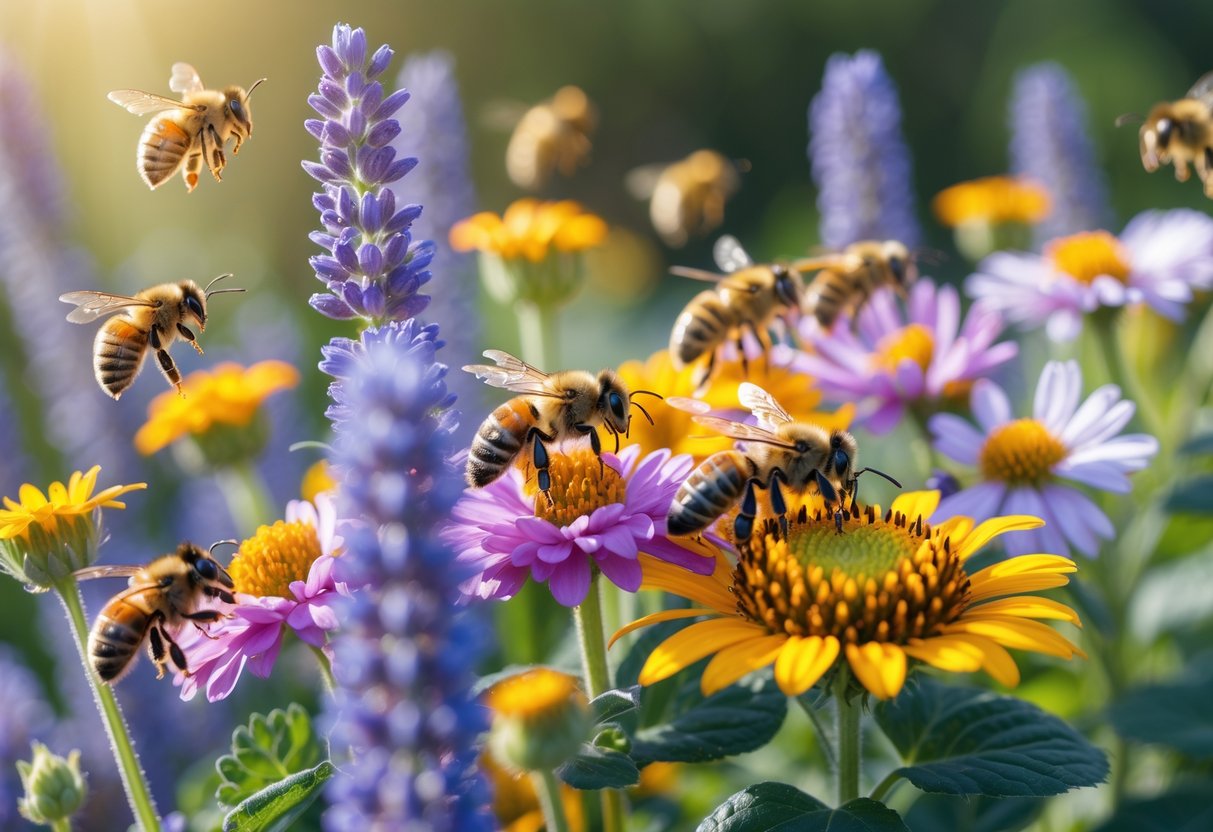
Bees can’t stay healthy without a mix of energy and nutrients. They search for food that gives them sugars for energy, as well as proteins, vitamins, and minerals for growth.
Sources of Nectar, Pollen, and Sugar
Nectar gives bees sugar, which powers their flight and daily work. Bees collect nectar and carry it back to the hive in their honey stomachs—a special pouch just for that.
Pollen is loaded with protein and other good stuff. Bees gather pollen to feed young bees and the queen.
Both nectar and pollen are essential, since nectar is mostly sugar and pollen brings protein and some fats.
Bees always prefer flowers with plenty of nectar and pollen. If you plant a mix of flowers that bloom throughout the year, you’ll help keep them fed and thriving.
Essential Vitamins and Minerals for Bee Health
Sugars and proteins are important, but bees also need vitamins and minerals to stay strong. They rely on things like B vitamins, calcium, magnesium, and potassium.
These nutrients help with metabolism, digestion, and building tough wings and muscles.
If bees don’t get enough vitamins or minerals, they can get weak and have trouble fighting off disease. That’s one reason why planting a variety of flowers is so helpful.
Different flowers offer different nutrients, so diversity really matters for bee health.
Sometimes, when natural food is scarce, beekeepers step in and give bees supplements to help them out.
How Bees Gather and Digest Their Favorite Foods
Ever wonder how bees collect and use nectar and pollen? Bees visit flowers and use their long tongues to suck up nectar. They stash it in their honey stomachs.
Once they get back to the hive, bees hand off the nectar to others. Those bees turn it into honey by reducing water and mixing in enzymes.
For pollen, bees brush the sticky grains onto their special hairy legs—yep, those are called pollen baskets. They haul it home and mix it with saliva, making “bee bread,” which is basically a super nutritious paste.
Bees digest proteins and nutrients from pollen, which helps them grow strong. Sugars from nectar and honey fuel their flights and keep them warm.
Their diet? It’s pretty balanced to support their busy lives. If you want to help, try planting nectar and pollen-rich flowers near their hives.
For more detail, check out this article on bee nutrition and feeding practices.


