
When it comes to strength, the Pitbull is often recognized as one of the most powerful dog breeds. Yet, several breeds can outmuscle a Pitbull in various aspects of strength.
Knowing which dogs are stronger can be useful whether you’re a dog lover curious about canine power or someone looking to choose a pet with specific traits.
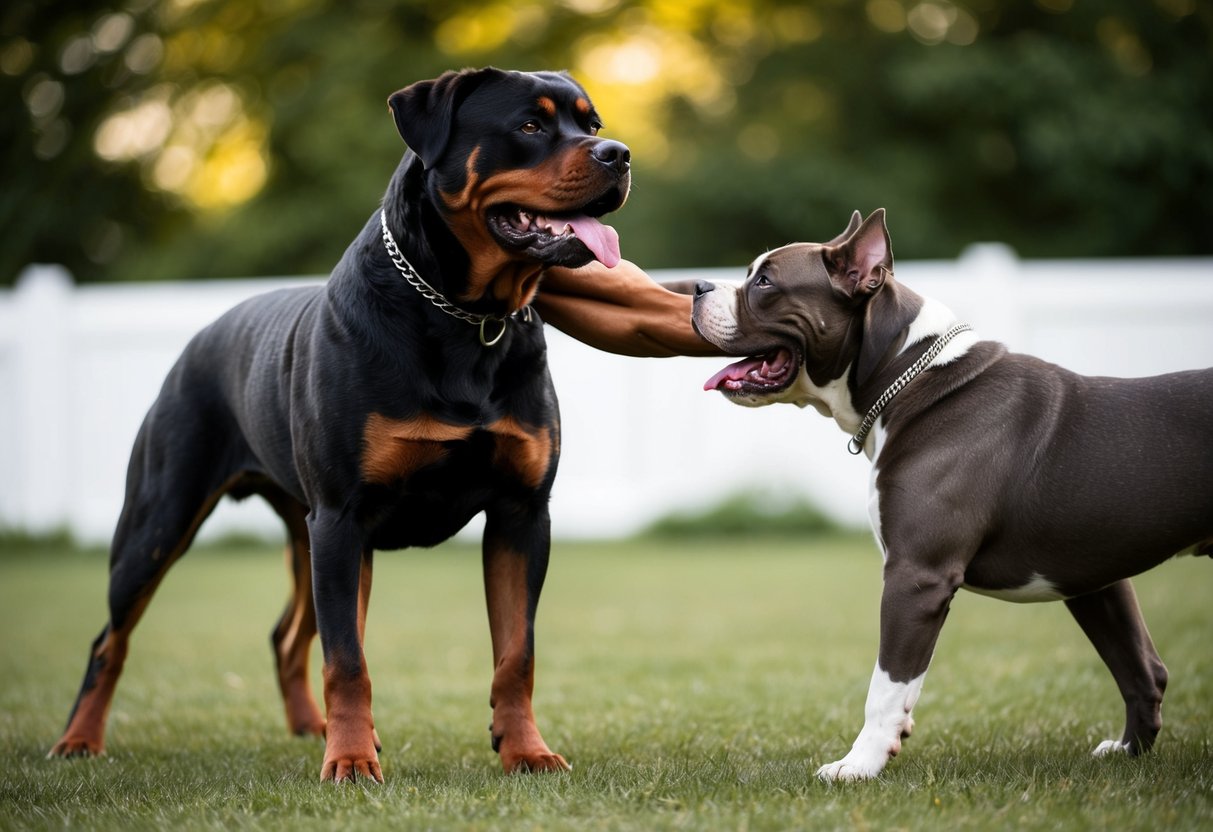
Some dogs, like the Rottweiler and German Shepherd, are larger and have impressive physical strength, giving them an edge over Pitbulls. Each breed has unique traits that contribute to their power, not just size. The combination of muscle, bite force, and temperament plays a key role in determining overall strength.
This article will explore which dog breeds can top a Pitbull in terms of strength and what makes them stand out. You might be surprised by the list, so let’s dive in and discover which dogs are truly the strongest!
Understanding Dog Breeds and Their Strength
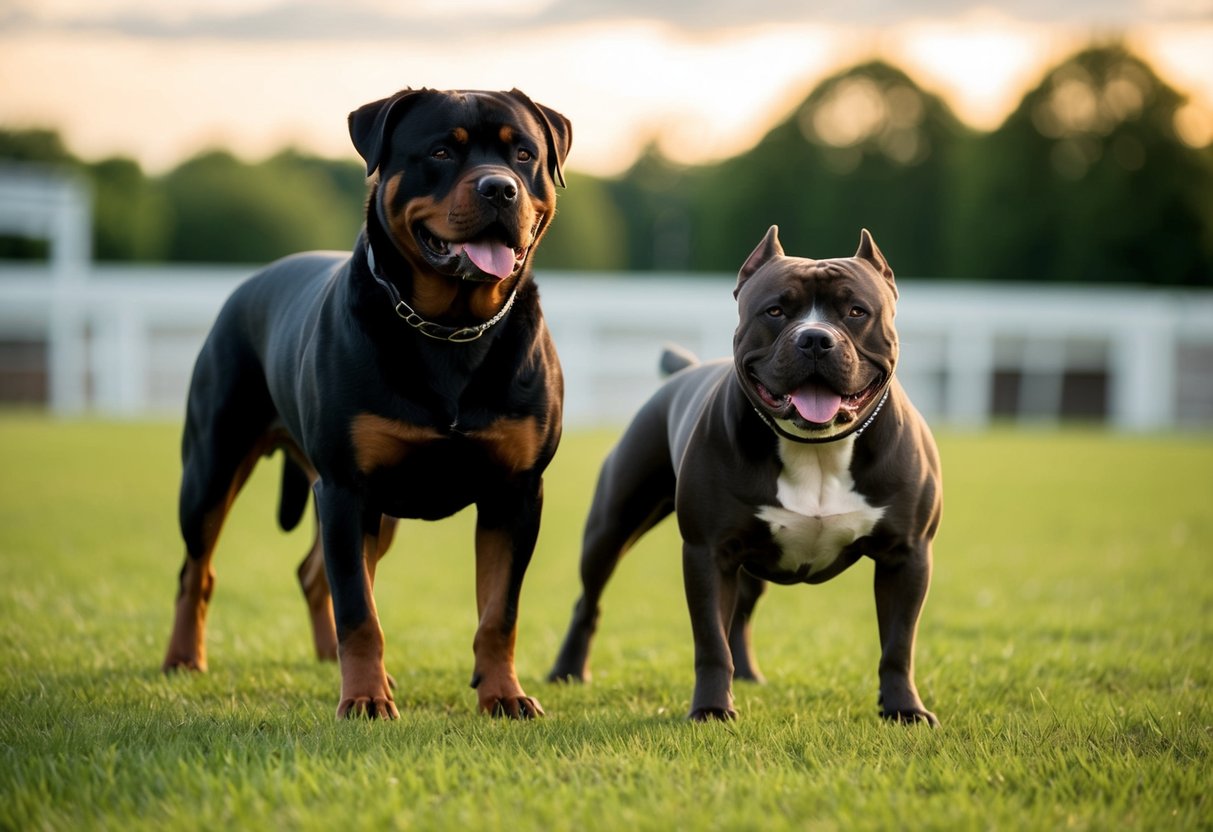
When exploring which dogs are stronger than Pit Bulls, it’s important to understand what strength means in the context of dog breeds. Factors like physical power, muscle mass, and overall build play significant roles in determining a dog’s strength.
Let’s take a closer look at what defines strength and how Pit Bulls compare to other powerful breeds.
Defining Strength in Dogs
Strength in dogs is not just about size; it involves a combination of factors. Here are some key elements:
-
Muscle Mass: Dogs with more muscle tend to be stronger. Breeds like Mastiffs and Rottweilers have significant muscle development, contributing to their physical power.
-
Bone Structure: A sturdy, strong bone frame can enhance a dog’s ability to leverage their weight and muscle effectively.
-
Physical Endurance: Strength also includes stamina and endurance. For example, Kangal dogs are known not only for their size but their ability to maintain strength over longer periods.
Understanding these factors can help clarify why certain breeds surpass Pit Bulls in strength ratings.
Comparison of Pit Bulls with Other Breeds
Pit Bulls are robust and muscular, but many breeds outmatch them in strength. Here are a few notable examples:
-
Kangal: This breed is often cited as the strongest dog due to its immense bite force and powerful build.
-
Mastiffs: These dogs have a heavy, muscular frame and can weigh over 200 pounds, giving them a natural advantage in strength.
-
Rottweiler: Known for their power and protective instincts, Rottweilers are also highly muscular, capable of impressive feats of strength.
The Power Players: Breeds Stronger Than Pit Bulls

When it comes to powerful dog breeds, several stand out for their strength, size, and impressive bite force. Understanding these breeds can help you appreciate what makes them unique and how they compare to the American Pit Bull Terrier.
Breed Profiles: Rottweilers to Kangals
Rottweilers are known for their loyalty and strength. Weighing up to 135 pounds, they have a strong build and protective nature. Their bite force is one of the highest among dog breeds, making them excellent guard dogs.
Kangals, from Turkey, are possibly the strongest dogs in the world. They can weigh up to 143 pounds and boast a bite force of around 743 PSI, much stronger than a Pit Bull’s. This breed is renowned for its ability to protect livestock against predators.
The English Mastiff is another breed worth mentioning. These gentle giants can weigh over 200 pounds. Their muscular build and calm demeanor make them great family pets, yet they still pack a punch when needed.
Measuring Bite Force and Muscular Strength
Bite force is a critical factor when comparing dog strength. The Kangal leads with a bite force of 743 PSI. In contrast, a Pit Bull has a bite force of about 235 PSI.
Rottweilers follow closely with a powerful bite around 328 PSI. Other strong breeds like the Neapolitan Mastiff and German Shepherd also possess impressive bite forces. Their muscular strength is complemented by agility and endurance.
Exceptional Cases: Mastiffs and Other Giant Dogs
Mastiffs, including the English Mastiff and Neapolitan Mastiff, represent the upper tier of canine strength. An English Mastiff can weigh up to 230 pounds and has incredible muscular strength.
The Great Dane is another large breed. While not as aggressive, their size alone makes them powerful. Average weights for Great Danes can reach 175 pounds, giving them physical presence.
The Bulldog, particularly the American Bulldog, is muscular yet compact. They show strength in a different way, relying more on their stocky build rather than size alone. Each breed demonstrates unique strengths and qualities, contributing to the overall diversity in powerful dogs.
Physical and Behavioral Characteristics
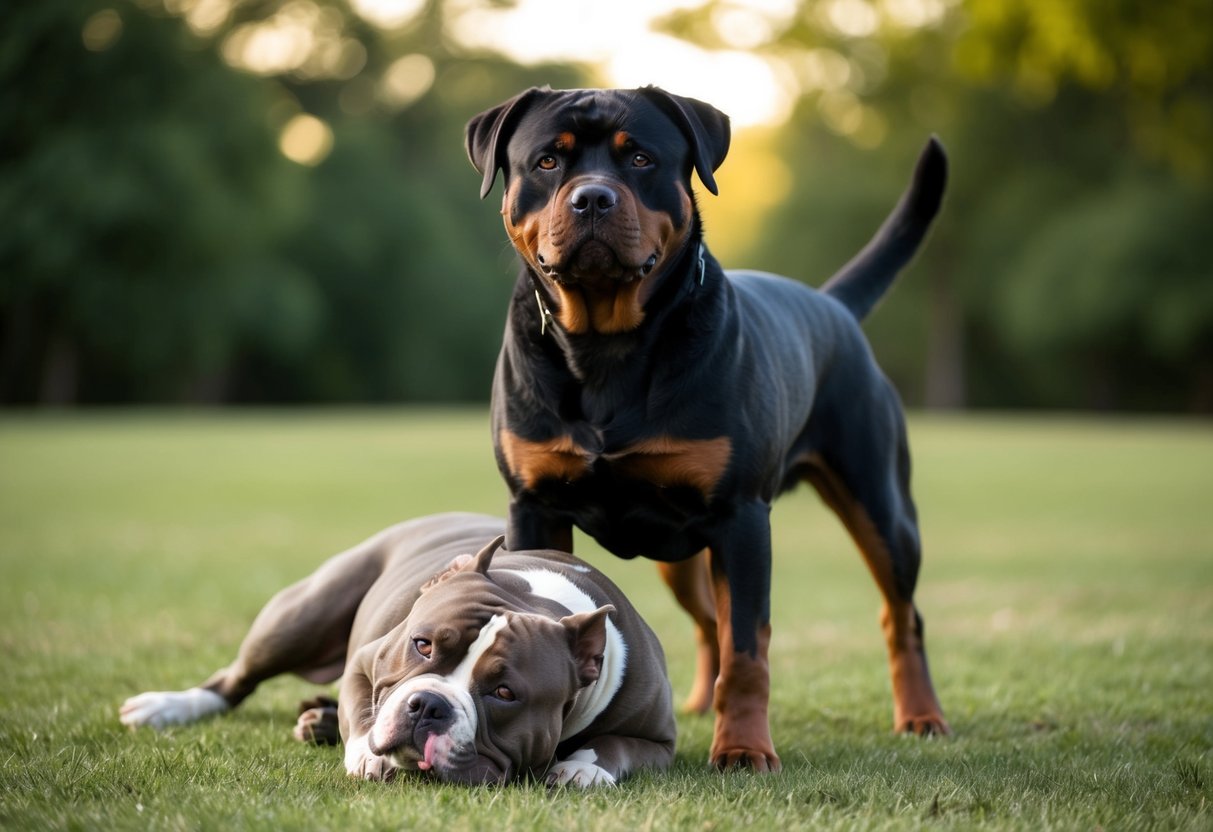
When considering dogs stronger than a Pitbull, it’s essential to look at their physical traits and behavior. These features can greatly influence how they compare against various breeds.
Size, Agility, and Endurance
Size plays a crucial role in a dog’s strength. Breeds like the Rottweiler or Cane Corso are generally larger than Pitbulls and possess greater muscle mass. This size advantage can translate into physical strength.
Agility is another key factor. While Pitbulls are known for their athleticism, some larger breeds also demonstrate impressive agility. Breeds like the German Shepherd excel in this area, combining size with quick movements.
Endurance matters too; strong dogs often have high energy levels. For instance, the Belgian Malinois not only has size but also excellent stamina. This combination makes them capable of impressive feats in various activities.
Temperament and Intelligence
Temperament contributes to how dogs handle strength. Pitbulls can be friendly but may show aggressive tendencies if they are not properly trained. In contrast, breeds like the Rottweiler can have a calm demeanor yet still be protective.
Intelligence is vital for trainability. Many stronger breeds, such as the Doberman Pinscher, are highly trainable due to their smart nature. This intelligence allows them to harness their strength effectively.
Understanding these traits helps you determine which breeds might be stronger both physically and behaviorally. This is especially important when considering training and socialization efforts.


