
When choosing a dog, safety is often at the top of your mind. You might wonder which breeds are the least likely to bite. Gentle dogs like Labrador Retrievers, Cavalier King Charles Spaniels, and Newfoundlands are known for their calm and friendly nature, making them great companions for families.
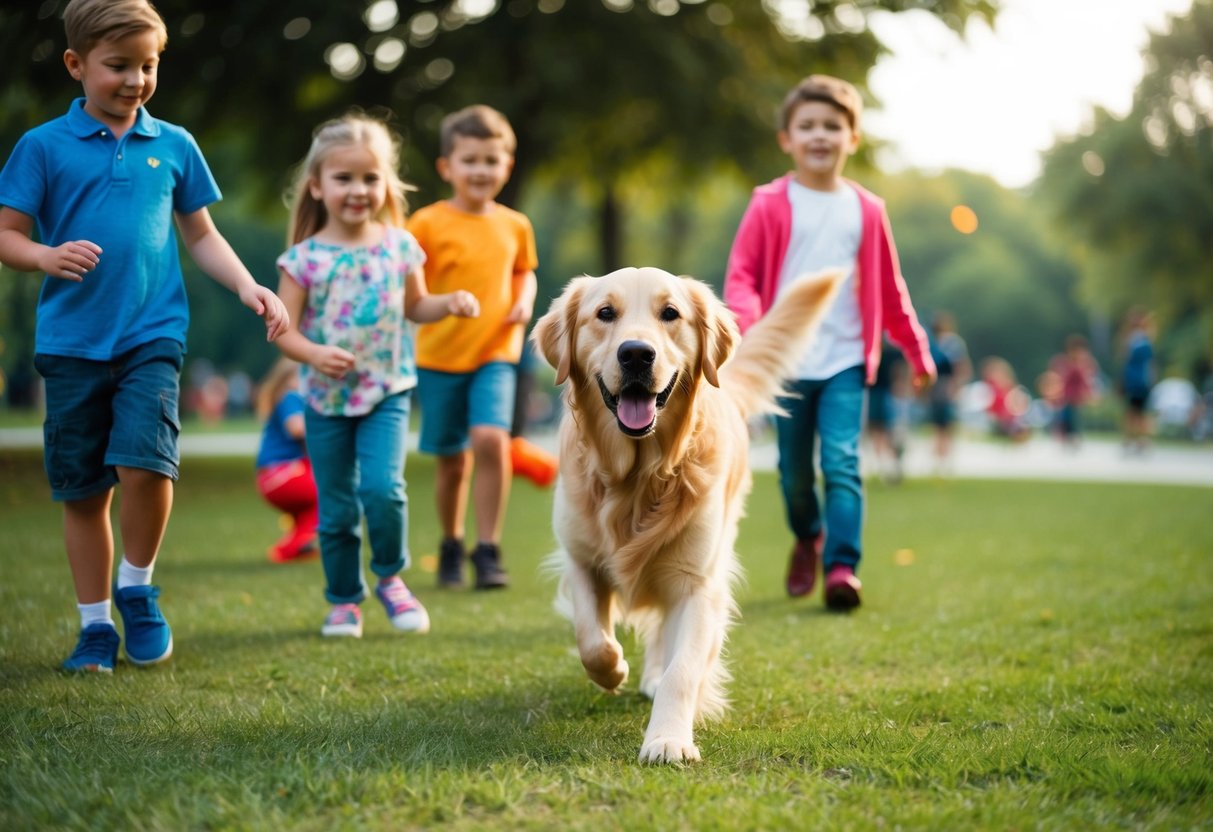
Dogs come with different temperaments, and while all dogs have the potential to bite, some breeds are much less likely to do so. Understanding which dogs are more affectionate can help you find the perfect match for your home.
As you continue reading, you’ll discover more about the gentle personalities of these breeds and why they may be suitable for your family. Knowing the attributes of these dogs can ease your mind and make your choice easier.
Understanding Dog Behavior and Aggression
When it comes to dog behavior, understanding aggression is essential for any dog owner. By recognizing the factors that influence aggression and the signs of a dog’s aggressive behavior, you can help create a calmer environment. Socialization and training play key roles in shaping a dog’s temperament.
Factors Influencing Aggression
Several factors can lead to aggressive behavior in dogs. Genetics can play a role, as some breeds are more prone to aggression than others. Additionally, a dog’s environment and experiences significantly shape their behavior.
Factors include:
- Lack of Socialization: Dogs that don’t interact with different people, pets, or situations may develop fear-based aggression.
- Past Trauma: Dogs with a history of abuse may react aggressively when they sense threats.
- Protective Instincts: Some dogs may show aggression to protect their family or territory.
Understanding these factors is crucial for prevention.
Signs of Aggressive Behavior in Dogs
Recognizing aggressive behavior early can help you take action to manage it. Signs of aggression can vary, but some common behaviors include:
- Growling: A warning sign indicating your dog feels threatened.
- Snapping or Biting: This is often a last resort when a dog feels cornered.
- Stiff Body Language: If your dog stands rigid with ears up, it can indicate discomfort.
Addressing these signs promptly can lead to better outcomes.
The Impact of Socialization on Temperament
Socialization is one of the most important aspects of dog training. Exposing your dog to various environments, people, and other animals at a young age helps develop a calm temperament.
Here’s how socialization helps:
- Builds Confidence: A well-socialized dog feels more secure and is less likely to exhibit anxiety-driven aggression.
- Positive Experiences: Introduce your dog to fun and safe experiences, reinforcing good behavior with positive reinforcement techniques, like treats and praise.
- Training Opportunities: Regular socialization encourages obedience training, reinforcing commands and good behavior in different situations.
By focusing on socialization, you set your dog up for success and reduce the risk of aggression.
Traits of Non-Aggressive Dog Breeds

Understanding what makes a dog less likely to bite involves looking into their characteristics, size, and breed specifics. Different dogs exhibit traits that contribute to their friendly and gentle nature.
Characteristics of Gentle Giant Breeds
Gentle giant breeds, like the Great Dane or Saint Bernard, are often known for their affectionate nature. They are big in size but have a calm and loving temperament.
These dogs display a non-aggressive demeanor, making them excellent family pets. Despite their size, they tend to be very gentle, showing patience with children and other pets. Their laid-back attitude often means they are more relaxed and less prone to aggression.
You can often find these breeds referred to as “nanny dogs” because they naturally look after kids. Their large stature may seem intimidating, but their loving nature wins many hearts.
Why Smaller Dogs Are Not Always Less Aggressive
Many people think small dogs are less aggressive than larger breeds. However, that’s not always true. Smaller breeds, like Terriers, can have big personalities and a tendency to guard their territory.
Despite their size, some small dogs may bark excessively or act defensively in new situations. Their non-aggressive demeanor is not a guaranteed trait. Socialization and training play significant roles in shaping their behavior.
Reinforcing positive experiences is crucial for smaller breeds. This can help them develop a friendly outlook rather than a fearful one. Remember, a dog’s temperament can vary widely, regardless of size.
The Role of Breed in Aggression
Different breeds come with unique traits that affect aggression levels. Historically, some breeds were developed for specific tasks, such as guarding or hunting, which can influence their behavior.
Breeds like Labrador Retrievers and Golden Retrievers are among the least aggressive dog breeds. They are known for their loyalty and gentle disposition. On the other hand, some breeds may have a predisposition for more protective or assertive behavior.
Your dog’s upbringing and experiences are just as important as breed traits. Proper training and socialization are key to ensuring any dog, large or small, grows into a loving and friendly companion.
Popular Dog Breeds Less Likely to Bite
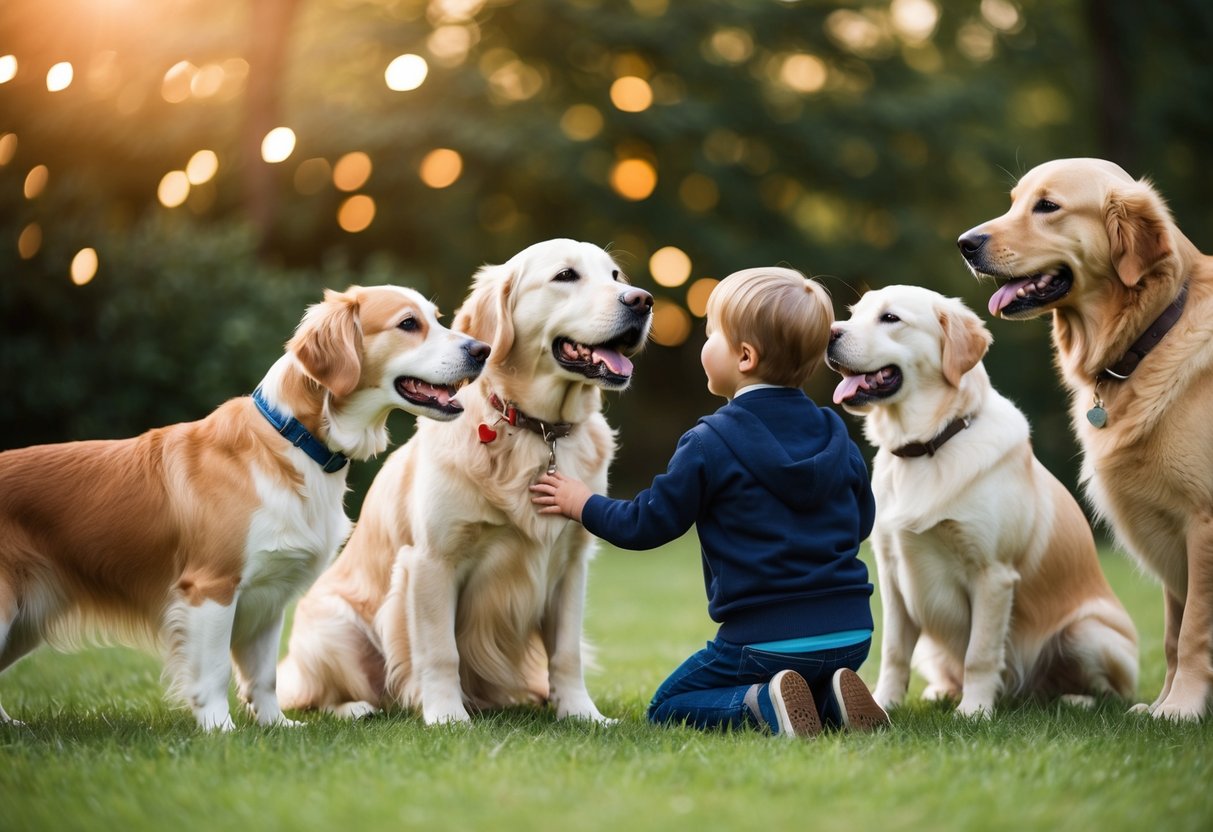
When choosing a dog, it’s important to know which breeds are friendly and gentle. Certain dogs are known for their affectionate behavior and protective instincts, making them great companions. Here are some popular breeds that are less likely to bite.
Large Dog Breeds With a Gentle Nature
Labrador Retrievers are one of the most loved large breeds. They are known for their playful nature and easy-going temperament. Labradors thrive on human interaction and are easy to train, making them a fantastic family pet.
Newfoundlands are gentle giants. Their calm demeanor and protective instincts make them excellent with children. They are often referred to as “nanny dogs” due to their caring nature.
Bernese Mountain Dogs are known for their affectionate behavior. They enjoy being around people and tend to be very loyal. Their gentle nature makes them perfect companions for families, especially with kids.
Small to Medium Dogs Known for Affectionate Behavior
Cavalier King Charles Spaniels are sweet lapdogs that love attention. They have a friendly disposition and bond well with their owners. Their gentle spirit makes them less likely to bite.
Pugs are playful and bring joy to any household. Their loving personalities and desire for companionship allow them to get along with kids and other pets.
Bichon Frises are known for being cheerful and friendly. They love to cuddle and are great companions for families. Their easy training and playful nature make them safe around children.
Family Pets With a Reputation for Safety
Golden Retrievers are well-known for their friendly and loyal nature. These dogs are gentle and very trainable. They excel as family pets and have a reputation for being good with children.
Boxers are playful and protective. They are affectionate and tend to form strong bonds with their families. Their loving nature and watchdog instincts make them great companions.
Collies, including Shetland Sheepdogs, are gentle and intelligent. They are easy to train and thrive on mental stimulation. Their loyalty and warm demeanor make them wonderful additions to any family.
Training and Care to Prevent Biting
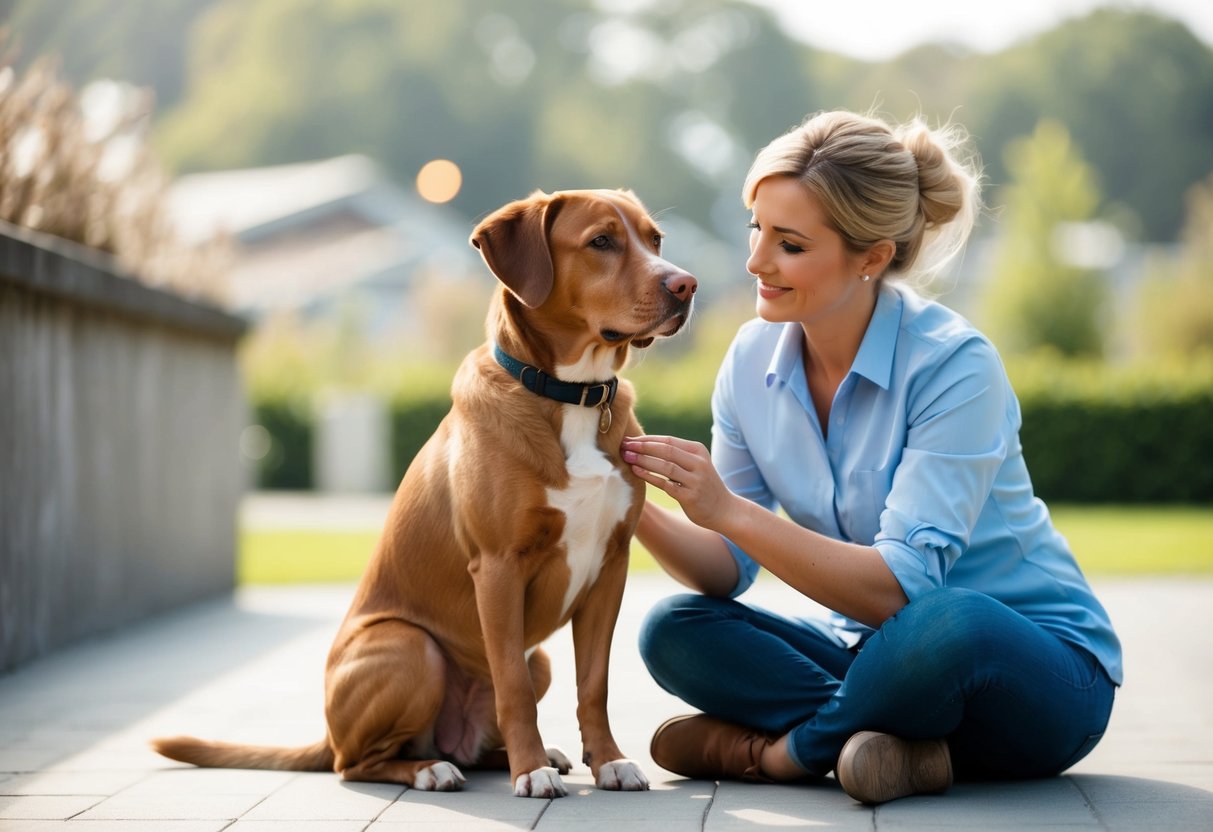
Proper training and care are essential in ensuring your dog is less likely to bite. By focusing on early training, providing mental and physical stimulation, and addressing common behaviors in puppies, you can foster a well-behaved and affectionate companion.
The Importance of Early Training
Starting training early is key for your dog. Puppies are most receptive to learning during their first few months. Implementing basic obedience commands like “sit,” “stay,” and “leave it” sets a foundation for good behavior.
Using positive reinforcement is effective. Reward your dog with treats, praise, or playtime when they follow commands. This builds a trusting relationship and encourages them to behave well.
Remember to socialize your puppy with different people and environments to reduce fearfulness and build confidence.
Mental and Physical Enrichment for Dogs
Providing both mental and physical stimulation is crucial in preventing biting. Boredom can lead to unwanted behaviors in dogs.
Engage them with chew toys, puzzle feeders, or training games that challenge their minds. Regular exercise, such as daily walks or playtime in the yard, helps to tire them out physically. Tired dogs are less likely to engage in nipping or chewing behaviors.
Consider incorporating obedience training and agility courses to keep them active and mentally sharp.
Addressing Nipping and Chewing in Puppies
Nipping and chewing are normal in puppies, but you need to manage these behaviors early. If your puppy nips during play, redirect it to a toy. This teaches them what is appropriate to chew on.
Provide lots of chew toys that are safe for them to bite. Praise your puppy when they use their toys instead of your hands or furniture. Consistent redirection helps them learn boundaries and reinforces good habits over time. Regularly reinforcing these behaviors will lead to a more gentle and affectionate companion.


