
You might be surprised by how simple the word for squirrel is in Arabic and how it shifts depending on context.
Most people use the Modern Standard Arabic word “سنجاب” (sanjāb) for squirrel, but you’ll also catch regional or descriptive twists in everyday talk.

If you want to use the word right, you’ll need to know short forms, dialect quirks, and how folks mention squirrels in stories or nature chats.
Let’s dig into the exact word, how people say it across the Arab world, and what it means in conversation and culture.
Meaning and Usage of ‘Squirrel’ in Arabic

You’ll find a couple main Arabic words for squirrel, and people say them differently depending on the setting.
I’ll share both formal Arabic and common dialects, plus a handful of simple example phrases you can actually use.
Formal and Standard Translations
The go-to Modern Standard Arabic (MSA) word for squirrel is سنجاب (sindjāb).
You’ll spot this in dictionaries, news, and schoolbooks. It’s pronounced “sin-JAAB,” with the stress on the second syllable.
When you say “the squirrel,” Arabic adds “ال” (al-) in front, so it’s السنجاب. The written form changes, but the meaning doesn’t.
People use these forms when writing, teaching, or reading formal stuff about squirrels and wildlife.
Writers often pair سنجاب with species or habitat words, like سنجاب غابات (forest squirrel) or سنجاب أرضي (ground squirrel).
That way, your Arabic stays precise.
Common Colloquial Terms
In daily conversation, dialects swap in different words or nicknames.
Some Levantine speakers stick with سنجاب, but it sounds lighter and rolls off the tongue faster.
Egyptian Arabic sometimes uses local nicknames or tweaks the vowels, though سنجاب still gets the point across.
Other dialects might borrow words or use slang that changes by region.
If you travel, ask locals how they talk about small tree squirrels. Using سنجاب will work almost everywhere, but dropping a local term makes you sound more natural.
When chatting with kids or pointing out squirrels in a park, people usually keep it simple: “شوف السنجاب” (“look, the squirrel”).
That keeps things friendly and clear.
Contextual Examples and Phrases
Try out short phrases with سنجاب in real situations.
Say: “رأيت سنجابًا في الحديقة” (“I saw a squirrel in the garden”). Notice the tanween -ًا for the object.
For “the squirrels are fast,” go with: “السناجب سريعة” (al-sanaajib sari‘a).
Here, the plural is سناجب or السناجب for “the squirrels.”
If you want to ask something, keep it basic: “أين السنجاب؟” (“Where is the squirrel?”) or “هل رأيت سنجابًا؟” (“Did you see a squirrel?”).
These examples show the kind of grammar and words you’ll use when talking about squirrels in Arabic.
If you need pronunciation help, plenty of online dictionaries have سنجاب with audio clips.
For a quick check, try the Cambridge Arabic entry for squirrel translation.
Squirrels in Arabic Language and Culture
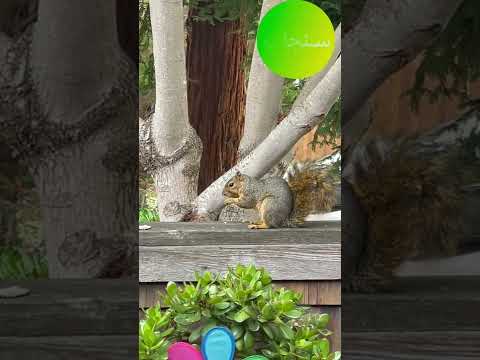
Squirrels pop up in Arabic places and speech in all sorts of ways.
Names shift by region, people notice local species like the red squirrel, and learners use apps or picture lists to remember words.
Regional Variations in Names
Arabic has a standard word, but dialects toss in plenty of variety.
In Modern Standard Arabic, you’ll see “سِنْجاب” (sinjāb).
Levantine and Egyptian speakers usually say the same word with a local twist.
North African dialects sometimes use different forms or borrow from Amazigh or French. Moroccan speakers, for example, might use a shorter local version when chatting.
Gulf and Iraqi dialects stick with “sinjāb” but pronounce the vowels a bit differently.
You’ll hear plurals like “سناجب” (sanājib) when people talk about more than one.
If you’re learning vocab, start with “سِنْجاب” and “سناجب.” Then, pick up local versions from chats or maps when you travel.
Popular Squirrel Species in the Arab World
You’ll spot a few squirrel species in Arab regions.
The red squirrel (Sciurus vulgaris) lives in parts of the Levant and the Atlas Mountains. It has reddish fur and likes conifer forests where it stashes acorns and pine seeds.
Grey squirrels (Sciurus carolinensis) aren’t native to most Arab countries, but you might see them in some parks and gardens with oak trees. They’re bigger and do well in city green spaces.
Flying squirrels live in Asia, so you won’t really find them in Arab lands, though people sometimes use the term for gliding mammals.
When locals talk about species, they often use the scientific name Sciurus in wildlife guides or on park signs.
It’s handy to know the common species names and one trait—maybe color or tail shape—so you can follow along with local nature guides or signs.
Learning Tips and Language Tools
Try mixing picture flashcards with a language app when you’re learning “squirrel” and its forms. Apps that include audio let you actually hear “سِنْجاب” and the plural “سناجب.”
Jot down a quick list with the singular, plural, and maybe an adjective or two—like red (أحمر) or grey (رمادي). Say out loud phrases such as “a red squirrel” (سنجاب أحمر) or “the squirrels are eating acorns” (السناجب تأكل الجوز).
Go to a local park, spot a squirrel, and just say the word. Listen for how people mention things like acorn (جوز البلوط, or just جوز) in casual chats.
Mix app drills with real photos and keep your sentences short. You’ll probably find that combo helps you remember words faster and actually use them when you talk.


