
So, you’ve found some droppings in your yard and you’re wondering—could a skunk be hanging around? Spotting skunk poop isn’t as hard as you might think if you know what to look for. Skunk poop usually comes out tubular and segmented, dark in color, and about 1 to 2 inches long, with a diameter of roughly half an inch. It can look a lot like what you’d see from a cat or a small dog, but you’ll often notice tiny seeds, insect bits, or even fur inside.

You probably won’t smell much unless you get right up close. Skunks usually leave their droppings near their favorite spots or along the paths they use most. Spotting these signs helps you figure out if skunks are nearby and keeps you alert to health risks or possible property damage.
Curious about how to spot skunk poop and what you should do if you find it? Stick around for the details that’ll help you keep your home and yard safe.
What Does Skunk Poop Look Like?
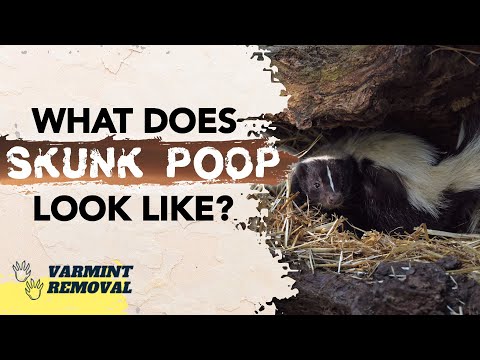
Skunk droppings have some pretty distinct traits—shape, size, and what’s inside—that make them easier to spot. Where you find them can also tell you a bit about the skunks living around you.
If you pay attention to these details, you’ll have a better shot at managing your property and steering clear of health problems.
Appearance and Characteristics
Skunk poop usually looks tubular and segmented, kind of like cat or small dog droppings. Most pieces measure between 1 and 2 inches long, and about half an inch thick.
The segments might look bumpy or a bit uneven. When it’s fresh, the color is mostly black or dark brown.
As it dries out, it turns gray or lighter brown. Skunk scat tends to be firm, unless the skunk’s been eating softer stuff like berries or isn’t feeling well.
If you break it apart (not that you’d want to), you might spot insect parts, seeds, fur, or even feathers. Skunks eat just about anything, so their droppings are full of undigested bits.
The smell? It’s usually mild and musky—definitely not as strong as their spray.
Differences Between Skunk Droppings and Other Animals
People sometimes mix up skunk poop with droppings from cats, raccoons, or coyotes. Here’s a quick way to tell them apart:
| Animal | Size | Shape | Contents | Odor |
|---|---|---|---|---|
| Skunk | 1-2″ long | Tubular, segmented | Seeds, insect parts, fur | Mild musky |
| Cat | 1″ long | Segmented | Mainly digested food | Strong, distinct |
| Raccoon | 2-3″ long | Tubular, segmented | Seeds, berries, garbage | Slight odor |
| Coyote | 3-5″ long | Twisted, tapered | Fur, bones, fruit | Can be strong |
This table makes it a bit easier to spot the differences—size, shape, and what’s inside can tell you a lot.
Common Locations Where Skunk Scat Is Found
Skunks like using the same spots for their droppings, which people call latrines. You’ll usually find these near den entrances or where they eat.
Sometimes, you’ll spot several piles in one area. Skunks also leave droppings along the trails they use all the time.
You might find their poop in quiet corners of your yard, under decks, or near woodpiles—places where they feel hidden. These spots can give you a clue about where skunks live or travel around your property.
If you know where to look, you can keep pets and kids away from these areas. That’s just smart.
Want more info on spotting skunk poop? Check out RidMyCritters.com.
Health Risks, Odor, and Handling Tips

Skunk poop isn’t just gross—it can carry germs that mess with people and pets. The smell is strong, but it’s different from that infamous skunk spray.
You’ve got to be careful if you’re cleaning it up, and it helps to know the signs that skunks are around.
Dangers of Skunk Poop Exposure
Skunk droppings can carry some nasty stuff like rabies, listeriosis, and leptospirosis. These diseases can spread to people and animals if you touch the poop or get too close.
Pets get into trouble with this more often since they’ll sniff or step right in it. If that happens, wash them right away with soap and water.
Always put on gloves before you handle skunk droppings. Don’t touch your face or mouth until you’ve washed up really well.
That simple step can save you from a lot of trouble.
Distinct Odor Versus Skunk Spray
Skunk poop has a chemical smell that lingers, but it isn’t the same as their spray. The spray is sharp and oily—used for defense—and it’s much harder to get rid of.
The smell from droppings is less intense, but still pretty pungent. You might catch a whiff near gardens or under decks, where skunks like to leave their mark.
If you notice a strong chemical odor but no spray, it’s worth checking for skunk poop.
Safe Cleanup and Wildlife Removal
When you clean up skunk poop, wear gloves and a mask to protect yourself. Use a shovel or scoop to pick it up gently.
Put the waste in a sealed bag and toss it in a covered outdoor trash bin—this keeps other animals away. Wash your hands and any tools with soap and hot water when you’re done.
If skunks keep showing up in your yard, call a wildlife removal service. Let the pros handle it so you stay safe and the skunks do too.
Signs of Skunk Activity Around Your Property
Check for long, shiny, cylindrical droppings. They’re usually about half an inch thick and maybe 1-2 inches long.
Skunk poop often has insect bits or tiny bones in it. Honestly, it’s not hard to spot once you know what you’re looking for.
You might notice tracks in soft soil. Skunks leave prints with five toes and visible claw marks.
Since skunks tend to come out at night, fresh droppings or little holes dug in your lawn could mean they’re hanging around.
Sometimes you’ll see overturned soil, missing fruit, or even trash scattered near your garbage bins. If that happens, it’s probably time to lock up food and secure your trash—skunks love an easy meal.
Want more detail on what skunk droppings look like? Take a look at this skunk poop identification guide.


