
So, a bee has wandered into your house. What does that mean? Honestly, it could be a handful of things, depending on the moment.
Most of the time, bees just come in because something caught their attention—flowers, a scent, maybe even a hive nearby. Sometimes they’re just thirsty or poking around for new places to explore.
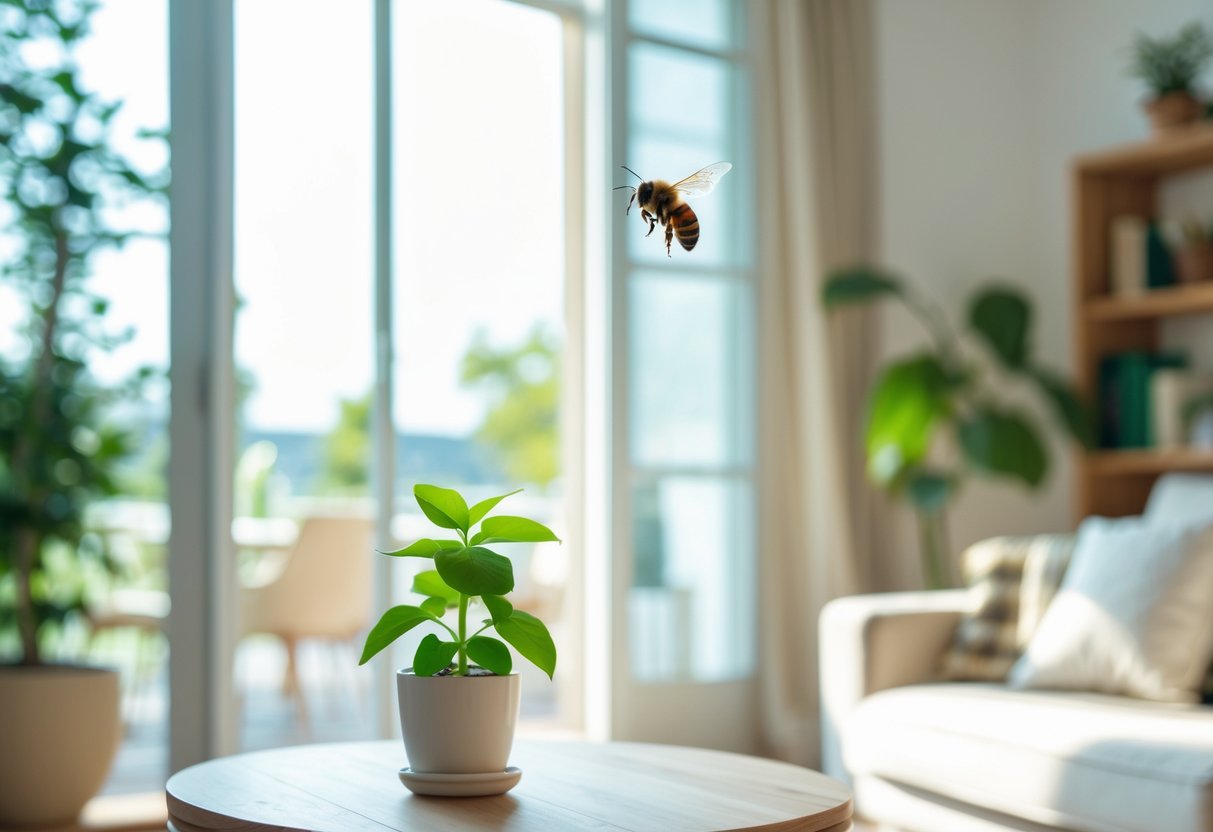
Some folks believe that seeing a bee inside brings good luck or prosperity. That’s a nice thought, right? Still, you should stay cautious if anyone in your home has allergies or if you spot a bunch of bees, since that might mean they’re building a hive close by.
If you get why bees come inside, you’ll know how to react. Sometimes they’re just curious. Other times, there’s more to it. Either way, understanding their behavior helps you stay ready and safe.
You can always check out more advice on what to do about bees in your home.
What Does It Mean If a Bee Comes in Your House?

When a bee flies in, it’s usually just searching for food or shelter. But sometimes, people feel like there’s a deeper meaning—maybe about hard work, fresh starts, or even community.
Common Reasons Bees Enter Homes
Bees often come in because they’re after something sweet. If you’ve left out sugary foods or drinks, they’ll find them. Sometimes, they just follow a scent or a bit of light and end up inside by accident.
Bees might also want shelter. Bad weather or chilly temps can push them to look for warmth indoors.
If you keep seeing bees inside, you might have a hive nearby. Your house could also be smack in their flight path. Bees are always foraging, so sometimes they just drop in without any big reason.
Symbolic and Spiritual Interpretations
Some people say a bee inside means good luck or that your hard work is about to pay off. That sounds pretty great to me. Different cultures see bees as signs of growth, new chances, and strong community ties.
Bees also stand for productivity and teamwork. Maybe a bee is just nudging you to stay focused or trust your efforts. For some, a bee’s visit feels like a hint at a new phase—starting a job, moving, or meeting someone new.
If a bee keeps coming back, maybe there’s a message you’re supposed to notice. It might be a little push to pay more attention or get ready for changes.
Curious about this? There’s more to read on the spiritual meanings of bees in your house.
Significance of Bee Behavior Indoors
How the bee acts can mean something, too. If it seems calm, maybe it’s a gentle reminder to stay patient and balanced. If it’s buzzing around like crazy, maybe you need to focus up.
Sometimes bees move toward certain people or spots. Maybe that’s about the energy in those areas—or maybe it’s just random, who knows?
If you notice where the bee lands, you might find extra meaning. Bees near windows or doors could hint at new opportunities. Bees near family spaces might be about harmony at home.
Looking at these behaviors, it almost feels like bees aren’t just visitors—they’re little messengers with a purpose.
Practical Guidance for Managing Bees in the Home

If a bee shows up in your house, try to stay calm and handle things gently. Figuring out what kind of bee you’ve got helps you pick the right next step.
You’ll want to get the bee out safely and keep more bees from coming in.
Identifying Types of Bees That Enter Homes
Most house-crashing bees are carpenter bees, honey bees, or bumble bees. Carpenter bees are big and shiny, and you might spot them drilling into wood. Honey bees look fuzzy and, well, honey-colored. Bumble bees are round, fuzzy, and have those classic black and yellow stripes.
Knowing which bee you’re dealing with matters. Carpenter bees can do some damage, while honey bees are important pollinators but might build nests in your walls. If you can tell which is which, you’ll know if you need a pro or if you can just guide it out yourself.
Steps to Safely Remove Bees
First off, don’t panic. Staying calm keeps you and the bee safe. Open some windows or doors so the bee has a way out.
Don’t swat at it—trust me, that just makes things worse.
If the bee won’t leave, grab a glass and a piece of paper. Gently trap the bee, slide the paper underneath, and carry it outside.
If you find a nest, it’s probably time to call a beekeeper or pest control. They can remove it safely, and you won’t have to hurt the bees.
Preventing Future Bee Encounters
Look for cracks, holes, or gaps in your walls, windows, and doors, then seal them up. If you spot wood damage that carpenter bees might use, fix it before they move in.
Clear away piles of wood, dead plants, or brush near your house. Bees love these spots, so a bit of regular yard work can make a big difference.
Try planting bee-friendly flowers farther from your home. That way, you’ll help the bees—and they’ll be less likely to end up inside.
If you want more detailed tips, check out safe removal of bees.


