
Squirrels are often seen as cute and harmless creatures, but there are rare moments when they can act aggressively. If you find yourself facing an aggressive squirrel, it’s important to know how to respond safely. Stay calm and maintain a safe distance; don’t provoke the squirrel further. Remember, most squirrel encounters are not harmful, but knowing what to do can help you feel more prepared.
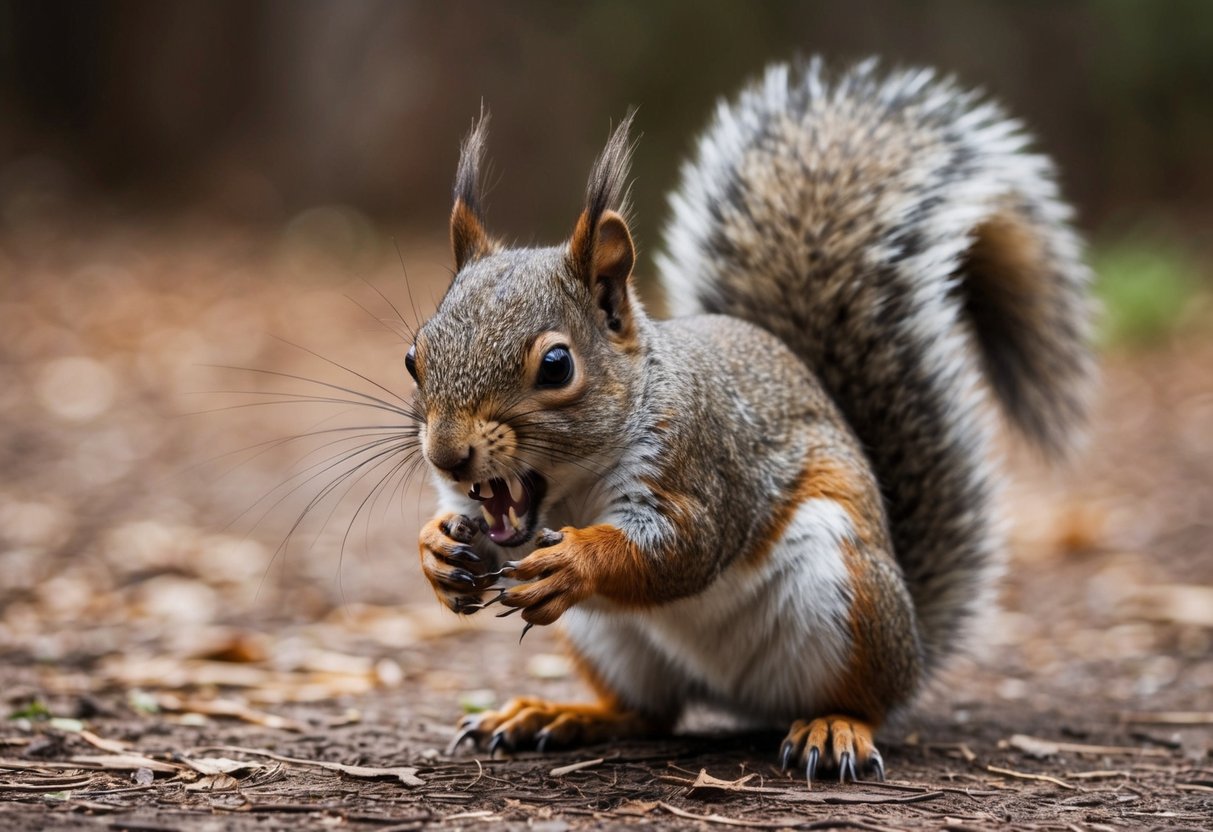
If a squirrel approaches you or seems threatening, avoid sudden movements that could startle it. Instead, slowly back away while keeping your eyes on the animal. If the squirrel does attack, protect yourself by using any available objects to create a barrier between you and the animal.
Understanding squirrel behavior can also help. Squirrels may act aggressively when they feel threatened or protective of their territory. By respecting their space and keeping a safe distance, you can prevent most confrontations. Whether you’re in your backyard or enjoying nature, being aware can make your experience with these creatures much more enjoyable.
Understanding Squirrel Behavior

Being aware of how squirrels act can help you react better if you feel threatened. You may notice some signs of aggression that indicate when a squirrel is feeling cornered or protective. Understanding these actions can also help you appreciate their habits and avoid potential conflicts.
Identifying Aggressive Behavior
Aggressive behaviors in squirrels may not always be obvious. Look for signs such as:
- Flicking Tails: A squirrel that flicks its tail rapidly is often signaling distress or warning intruders.
- Making Noises: Aggressive squirrels may grunt or make chattering sounds to warn you away.
- Posture: An aggressive squirrel may stand upright or flatten its body to appear larger.
These behaviors can happen when squirrels feel threatened, especially during mating season. Red squirrels and grey squirrels are known to become defensive of their nests or food sources. If you encounter a squirrel showing these signs, it’s best to give it space.
Risks of Squirrel Attacks
While squirrels are generally not aggressive, there are risks associated with their attacks. When cornered or frightened, they may bite as a form of defense. Squirrel bites can lead to infections and pose health risks.
Some diseases associated with squirrels include:
- Rabies: Though rare, rabies is a serious concern. Always seek medical advice if bitten.
- Salmonellosis and Leptospirosis: Squirrels can carry bacteria that lead to these illnesses.
- Ringworm and Tularemia: These can also be transmitted through contact with squirrels.
Understanding these risks can help you remain cautious while enjoying nature. If a squirrel approaches you too closely, it’s best to back away calmly.
Prevention and Response
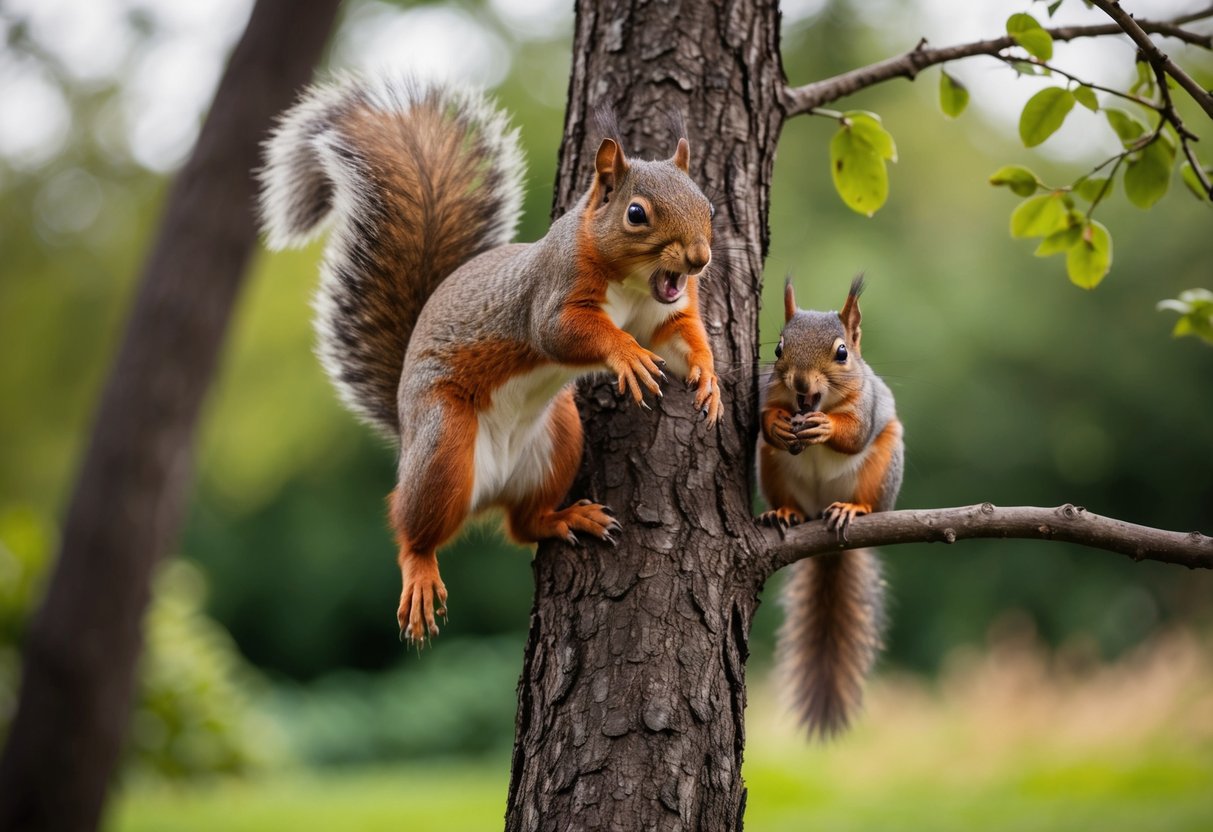
Taking steps to prevent a squirrel attack is important. Understanding how to react during an encounter can help minimize harm. Know what to do afterward to ensure safety and health.
Safeguarding Your Space
To keep squirrels away, start by securing your yard. Remove food sources that attract them, like birdseed and pet food. If you have a garden, consider fencing it in to protect your plants.
Look for entry points around your house, especially in sheds and attics. Seal cracks and holes to prevent squirrels from nesting. Keeping your yard tidy also helps; remove piles of branches and debris where they could hide.
If you have pets, supervise them during playtime. Dogs can get excited and might chase squirrels, leading to potential attacks. Make sure your dog is trained to respond to commands, which can help during interactions.
What to Do During an Attack
During an encounter with an aggressive squirrel, try to stay calm. Avoid direct eye contact, as this can make the squirrel feel threatened. Move away slowly without turning your back, giving the squirrel space.
If the squirrel approaches too closely, make noise to deter it. This could be clapping, shouting, or using an object to create sound. If the squirrel attempts to bite, protect yourself with a jacket or bag.
Do not try to catch or handle the squirrel. Instead, back away and allow it to leave. It’s best not to corner it, as that may prompt defensive behavior.
Post-Attack Measures
If a squirrel bites you, it’s crucial to seek medical attention. Squirrel bites can lead to infections or diseases. Wash the wound immediately with soap and water, and apply a clean bandage.
Contact animal control if the squirrel seems unhealthy or aggressive. They can assess the situation and remove the squirrel safely if necessary. Consider consulting professional pest control if you notice repeated visits or signs of nesting.
Ensure to document any injuries. This will help medical professionals and support any claims if needed. After an encounter, evaluate your property for structural damage and seal any entry points to prevent future incidents.


