
If you’re battling rats and wondering what really drives them away, you’re not alone. Knowing what rats hate can give you a big advantage in keeping them out of your home.
Rats have incredibly sensitive noses. Some strong scents—like peppermint oil, ammonia, and even the smell of predator urine (cat pee, for example)—are high up on their most-hated list.
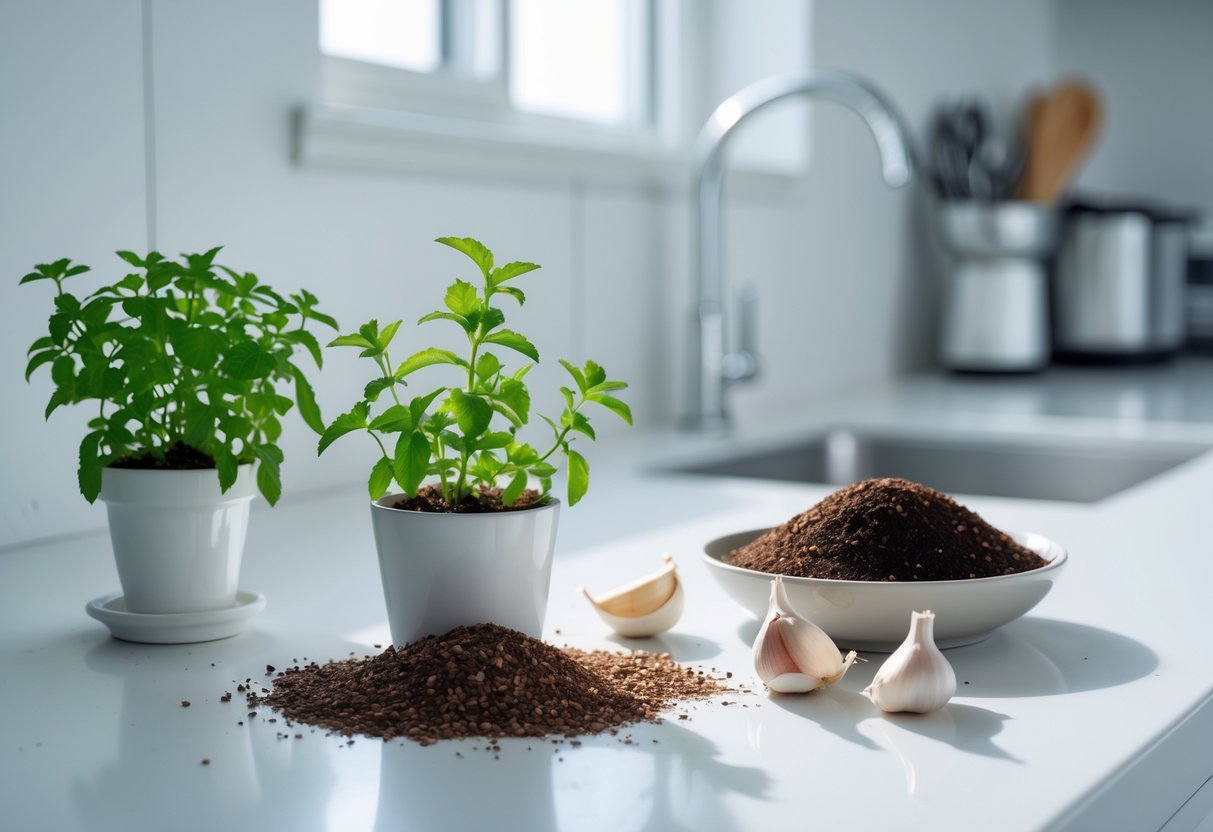
You don’t always need to jump straight to traps or poisons. Natural smells and a tidy space can make your home way less attractive to rats.
If you figure out what rats dislike, you can take some pretty simple steps to protect your place and stop these little invaders before they get comfortable.
Smells and Substances Rats Hate the Most

Some smells just make rats want to run the other way. You can use these strong odors to make your house or garden a no-go zone for them.
When you pick the right scents, you can keep rats away without using harsh chemicals or traps.
Peppermint and Peppermint Oil
Rats really can’t stand peppermint. Their sharp sense of smell makes menthol in peppermint oil almost unbearable for them.
Try soaking cotton balls in peppermint oil and tucking them into corners or near places rats might sneak in.
Peppermint is safe and natural, so you don’t have to worry about using it around the house. Its strong scent confuses rats and hides the smells they use to find their way.
If you keep the peppermint oil fresh, you’ll have a better shot at keeping rats out. It’s a simple, eco-friendly move that just works.
Vinegar and Ammonia
Vinegar and ammonia both pack a punch when it comes to strong odors. The sharp, acidic smell of vinegar makes rats uneasy, so spraying it in problem spots can help.
Ammonia’s scent mimics predator urine, which freaks rats out and keeps them away. Just be careful—ammonia is strong and can irritate your eyes and skin.
If you use diluted ammonia near spots where rats might come in, you can create a natural barrier. No need for heavy-duty chemicals.
Eucalyptus and Eucalyptus Oil
Eucalyptus oil is another scent that rats just can’t handle. Its fresh, sharp smell messes with their noses and makes your home less appealing.
You can dab eucalyptus oil on cotton balls or mix it with water for a spray. It works both indoors and outdoors.
Most people actually like the smell of eucalyptus, so it’s a win-win. Rats, on the other hand, will probably look for somewhere else to go.
Mothballs and Chemical Scents
Mothballs contain chemicals that rats absolutely hate. The intense smell can keep rats out, but you need to be careful—mothballs aren’t safe for kids or pets.
Other strong-smelling chemicals like bleach can also drive rats away. If you decide to use these, don’t overdo it and always keep safety in mind.
Combining chemical scents with natural ones might give you extra protection. Just be smart about where and how you use them.
Want to dig deeper? Check out 16 Smells Rats Hate the Most.
Natural Rat Deterrents and Pest Control Tips

You can use strong natural smells and even certain textures to tell rats they’re not welcome. These simple ingredients can really help control rat activity.
Just place them in the right spots, and you might notice a difference pretty quickly.
Cayenne Pepper, Black Pepper, and Cloves
Rats can’t handle spicy or peppery smells. Sprinkle cayenne pepper or black pepper around doors, entry points, or wherever you’ve spotted rats.
Cloves have a powerful scent that puts rats off. Try dropping whole cloves or little sachets in areas where rats travel.
Refresh these spices now and then to keep the smell working. Mixing cayenne, black pepper, and cloves can build a stronger barrier.
Garlic, Citronella, and Lemongrass
Garlic is another smell that sends rats packing. Crush some garlic cloves or sprinkle garlic powder where you think rats might be hanging out.
Citronella isn’t just for mosquitoes—it helps with rats, too. Put citronella oil on cotton balls or light a citronella candle near places where rats could sneak in.
Lemongrass smells fresh to us, but rats can’t stand it. Grow it in pots or spray lemongrass oil in hiding spots.
Using Essential Oils and Herbal Methods
Essential oils like peppermint, eucalyptus, and basil are solid rat deterrents. Dip cotton balls in peppermint oil and leave them around the house, and remember to refresh the scent every week.
Eucalyptus oil masks the trails rats use to get around and confuses them. Mix it with water and spray it near holes or corners.
Basil and sage also give off scents rats don’t like. If you plant these herbs around your home, you can add a natural layer of defense.
Herbs and oils are safe for people and pets when you use them right. Pair these smells with regular cleaning and getting rid of clutter for the best results.
Professional Pest Control Options
When rats keep coming back or you spot signs of a big infestation, it’s probably time to call professional pest control. The experts have ways to target rats safely and get rid of them for good.
They’ll find entry points you might never notice and use approved treatments to remove rats fast. Some even offer advice on keeping rats out and can put up barriers like metal mesh.
Bringing in professionals can save you a lot of time and lower your risk, especially if you’re worried about health issues from rats. If natural methods just aren’t cutting it, this is a solid route.


