
If you want to take, kill, or disturb certain wild birds in the UK, you’ll need a licence for specific species and for reasons like conservation, public health, or stopping damage to crops and livestock. Not every bird falls under these rules, but some species get extra protection—especially during breeding season.
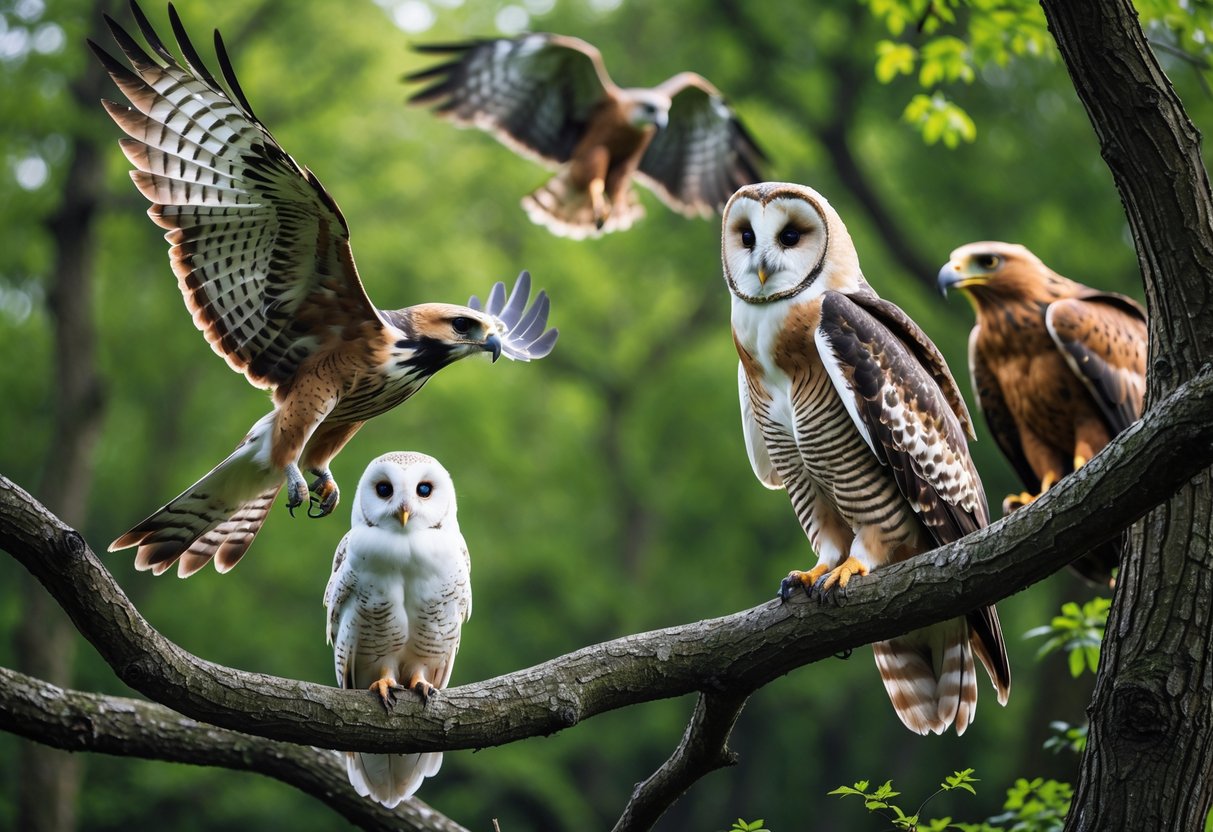
Some licences are general and cover common actions.
Other times, you’ll have to apply for an individual licence.
Knowing when you need one can save you from fines or legal headaches, and it also helps protect wildlife.
Understanding which birds need licences and when? Yeah, it’s not always straightforward.
But if you work with or control wild birds, you really ought to know.
This guide should help you figure out what’s required, so you don’t accidentally break the law.
For the nitty-gritty details, check the official GOV.UK bird licences page.
Licence Requirements for Keeping Birds in the UK
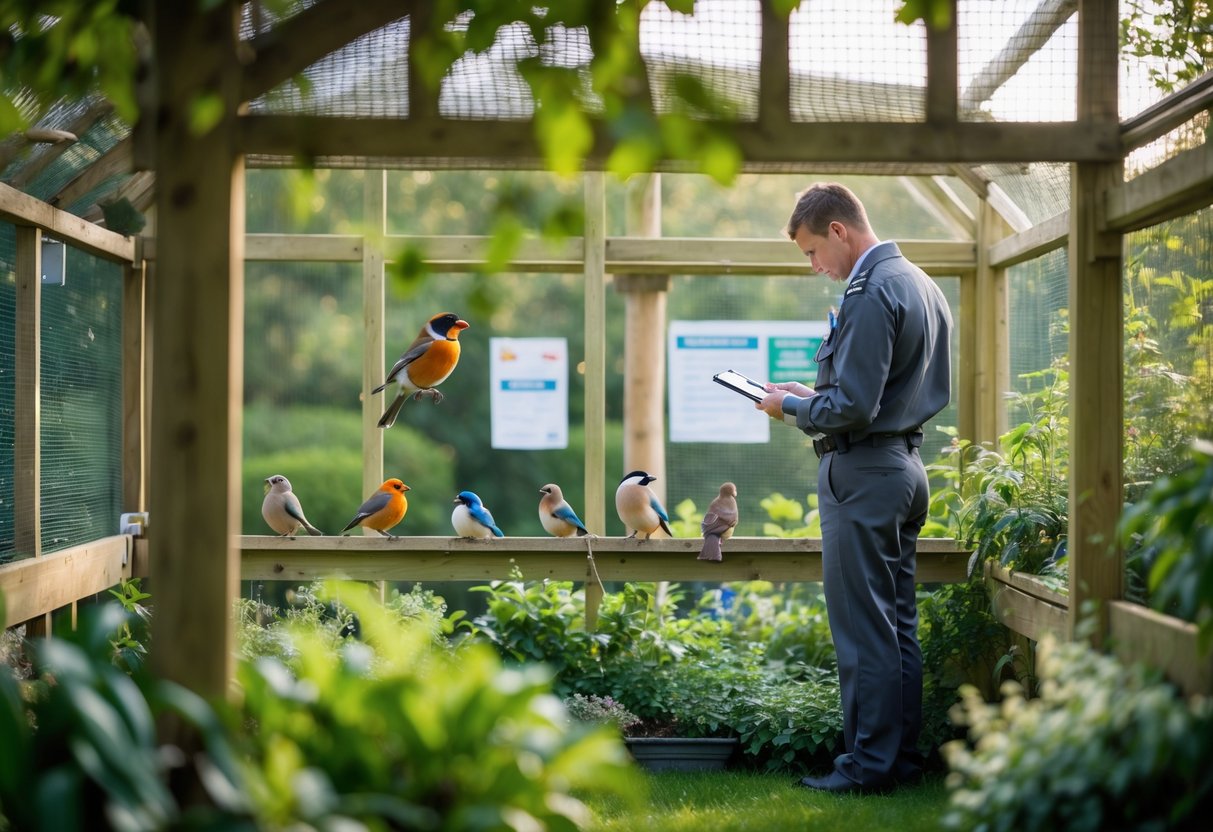
If you want to keep wild birds in the UK, you need to know the licence and registration rules.
Different laws and protections affect which birds you can keep and what paperwork you’ll need.
These rules aim to protect birds and make sure you’re staying legal.
General Legal Protections and the Wildlife and Countryside Act 1981
The Wildlife and Countryside Act 1981 (WCA) covers lots of wild birds in the UK.
You can’t keep any wild bird, its egg, or nest unless you got it legally.
That means you need a licence, found it dead, or you’re caring for a bird that can’t survive in the wild.
Some birds get even more protection under the WCA, especially those listed in different schedules.
You can’t keep birds on those lists unless you have real proof you own them legally.
Mess up, and you could face fines or prosecution.
Registration Rules for Schedule 4 Birds of Prey
Schedule 4 covers birds of prey like eagles, falcons, and hawks.
If you keep these birds, you have to register them with the Animal and Plant Health Agency (APHA).
This registration helps track these birds and protects the species.
You don’t always need a licence for Schedule 4 birds, but registration is non-negotiable.
This also includes wild disabled birds that can’t go back to the wild.
Keep records that show you own these birds legally.
Commercial Use, CITES, and Article 10 Certificates
Want to keep birds for commercial reasons, like selling or showing them off?
You’ll probably need extra paperwork.
The Convention on International Trade in Endangered Species (CITES) controls trade in protected birds.
You’ll need licences for any species listed under CITES.
If you’ve got birds bred in captivity, the Article 10 certificate lets you keep certain protected birds without a full licence—if you meet strict conditions.
You should check with Defra or APHA about these licences and certificates to stay on the safe side.
Key Licensed Bird Species and How to Meet Legal Obligations
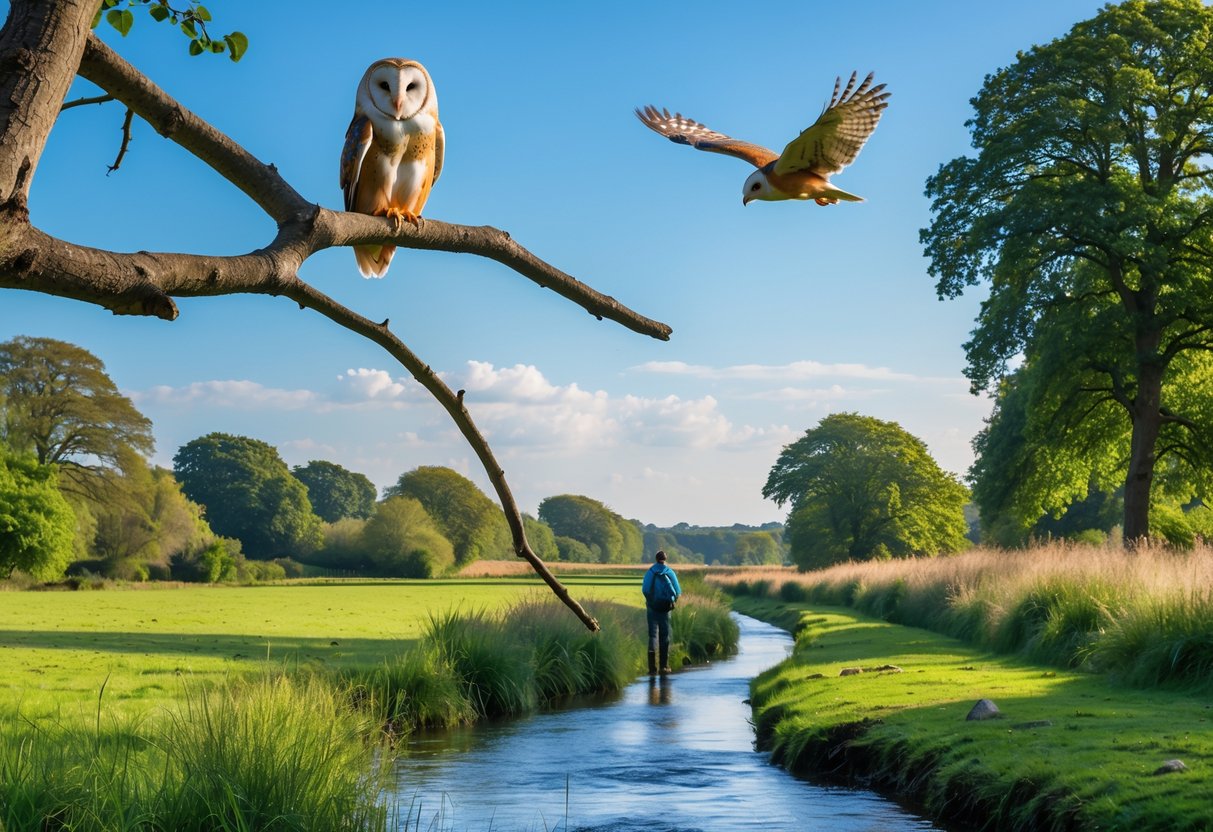
If you keep certain protected birds, especially birds of prey, you’ll need to follow strict rules.
You’ll need licences, use ID methods like microchipping, and work with government agencies.
These steps protect both the birds and you.
List of Schedule 4 Birds of Prey and Their Requirements
In the UK, birds like the golden eagle, osprey, white-tailed eagle, goshawk, marsh harrier, honey buzzard, peregrine falcon, merlin, and Montagu’s harrier are on the Schedule 4 list.
You need a licence to keep, breed, or sell these birds.
Licences control how you look after them to protect wild populations.
You can’t take eggs or young birds from the wild without permission.
You must not disturb nests or harm these birds during breeding.
With a licence, you have to follow strict conditions about housing, diet, and movement.
It’s a good idea to check in regularly with the authority that issued your licence to make sure you’re still following all the rules.
Microchipping and Ringing Protocols
You’ll need to microchip your licensed birds of prey to help track and identify them.
You must implant the chip following official guidelines, so the bird links back to your ownership records.
Ringing (putting a leg ring on the bird) also helps monitor them, especially for breeding programs.
Each bird’s ring needs a unique code, registered with the right agency.
These ID methods help stop illegal trade and support conservation.
You should keep updated records of all microchipped or ringed birds and be ready for official inspections.
Country-Specific Agencies: Natural England and Natural Resources Wales
If you live in England, Natural England takes care of licensing and guidance for birds of prey. You’ll need to apply to them if you want permits for keeping, breeding, or removing protected birds.
In Wales, Natural Resources Wales (NRW) acts as the main body for this. Their rules mostly match those in England, though sometimes they add local twists.
Both agencies offer advice to help you meet licensing conditions and keep your birds within the law. They’re also there if you run into problems—maybe a nest gets disturbed or you have to handle a wild bird.
It’s always smart to check with the right agency in your area before you get or work with licensed birds. That way, you can steer clear of fines or legal headaches.


