
If you’ve ever wondered what attracts badgers, you’re not alone. These fascinating nocturnal mammals belong to the Mustelidae family and are known for their distinctive striped faces and burrowing habits.
Badgers are omnivorous creatures that are drawn to a variety of food sources, including fruits, nuts, and even insects.
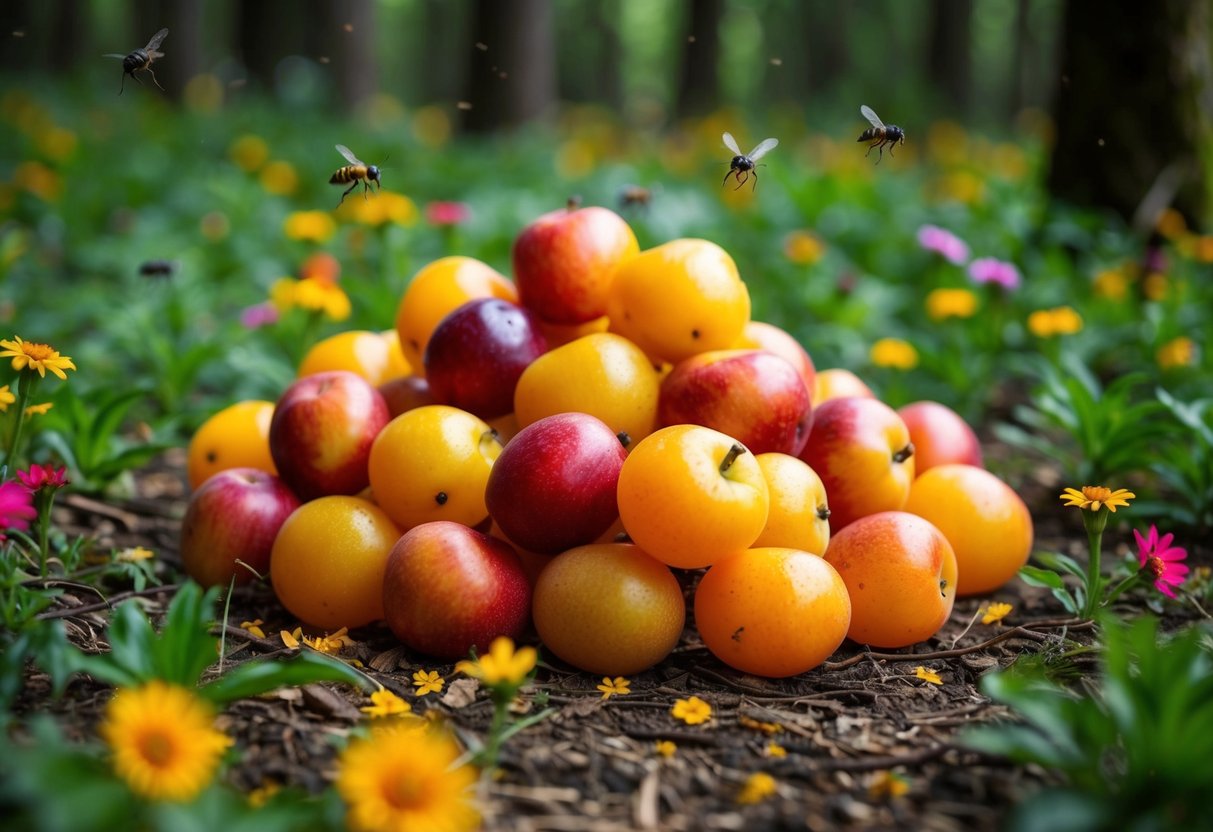
Creating an inviting habitat in your garden can encourage badgers to visit. They thrive in areas with ample cover, such as woodlands or grassy fields, where they feel safe foraging at night.
By understanding their preferences, you can help foster a friendly environment for these curious animals to explore.
Whether you live near badger populations or want to attract them to your space, knowing what they seek can enhance your chances of a sighting. These clever diggers can be a delightful addition to any backyard as they scavenge for food and investigate their surroundings.
Badger Habitats and Setts
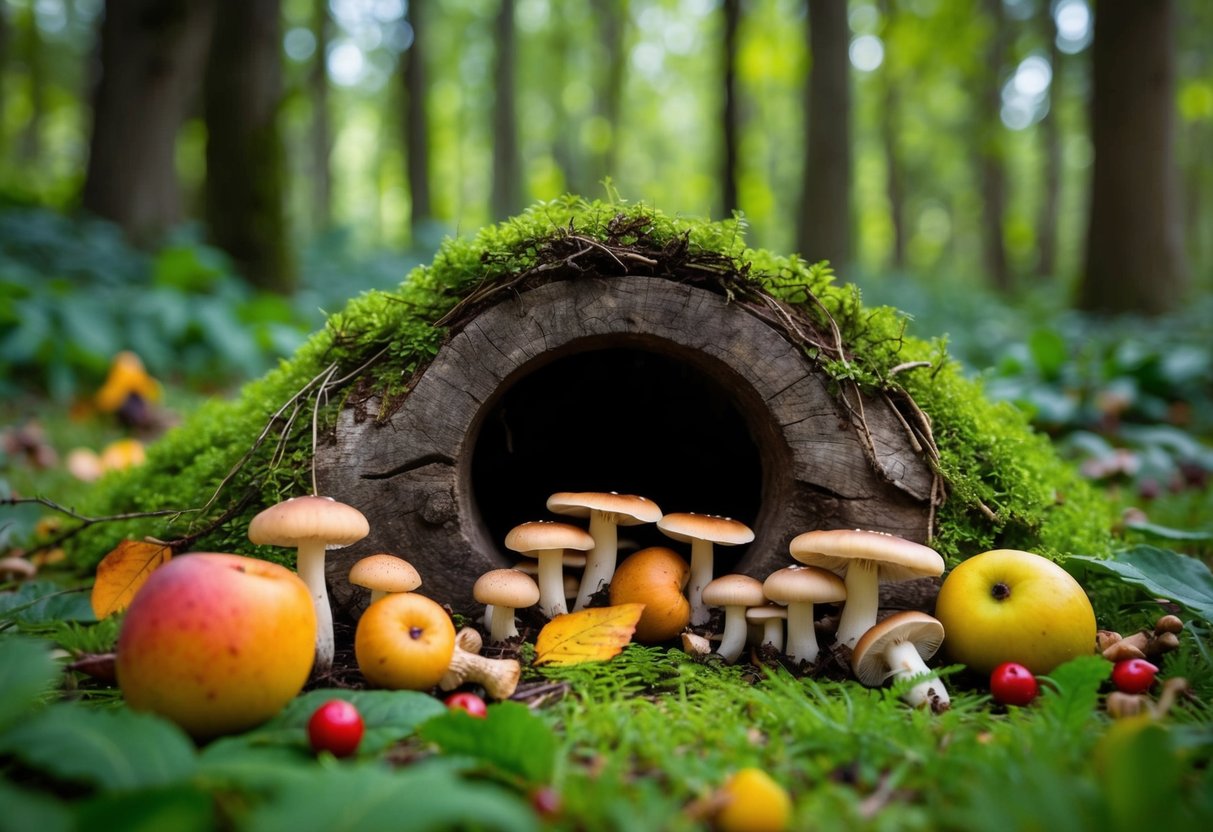
Badgers are unique animals that live in specific types of environments. They build intricate homes called setts and prefer areas where they can easily dig for food. Understanding their habitats and living structures is essential for appreciating these fascinating creatures.
Understanding Badger Setts
Badger setts are complex underground homes where family groups live together. These structures can have up to 40 entrances. The European badger and American badger each create their own setts, which often feature winding tunnels.
The setts provide protection and are generally linked to the badger’s main territory. They spend a lot of their time inside, usually during the day. When they come out at night, they search for food such as earthworms and insects.
Badgers keep their setts clean by bringing out old bedding materials. This behavior helps reduce pests like fleas and lice, showing their instinct for hygiene.
Habitat Distribution
Badgers are found in various habitats, including grasslands, meadows, and even areas near farms. In Canada and northern Mexico, their presence can vary based on local conditions.
They prefer regions where the soil is easy to dig. This preference allows them to create extensive tunnel systems easily. The IUCN Red List classifies badgers in different ways, mainly focusing on their population and distribution.
Understanding where badgers thrive helps in conservation efforts. It is important to know how various environments support healthy badger populations. Taking care of these habitats benefits wildlife and ensures the survival of badgers in the wild.
Badger Diet and Foraging
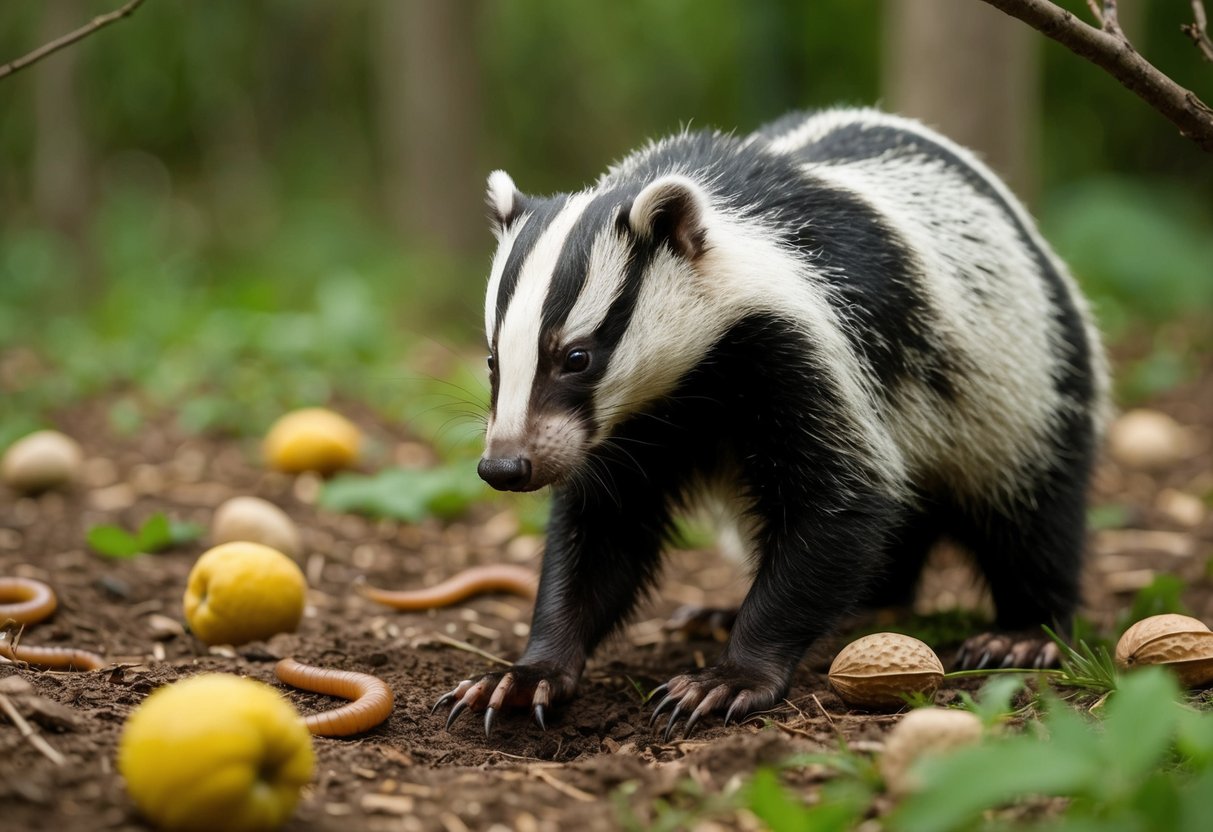
Badgers have a varied and interesting diet. They are omnivorous, meaning they eat both plants and animals. Their foraging habits help them find a wide range of food sources in their environment.
Principal Foods
The main food in a badger’s diet is earthworms. In fact, they consume around 80% of their food from these slimy creatures.
Other important items include:
- Insects: Grubs and beetles supplement their diet, providing essential protein.
- Fruits and Nuts: They enjoy seasonal fruits, acorns, and seeds, adding variety to their meals.
- Carrion: Badgers don’t shy away from scavenging. They will eat small mammals, birds, and even roadkill when available.
You might spot them digging around gardens or fields, searching for slugs, rodents, and other small animals to eat. This broad range of food helps badgers adapt to different habitats.
Hunting Techniques
Badgers are skilled foragers. They use their strong forelimbs to dig up food from the ground.
You may see them turning over leaves or soil to find hidden delicacies. Their keen sense of smell helps them locate food sources efficiently. When looking for earthworms, they can sense them just beneath the surface of the soil.
Badgers are also known for their boldness when hunting. They sometimes prey on hedgehogs, which are among their favorite snacks. Their adaptability in feeding allows them to thrive in various environments, from woodlands to urban areas.
Badger Social and Reproductive Behavior
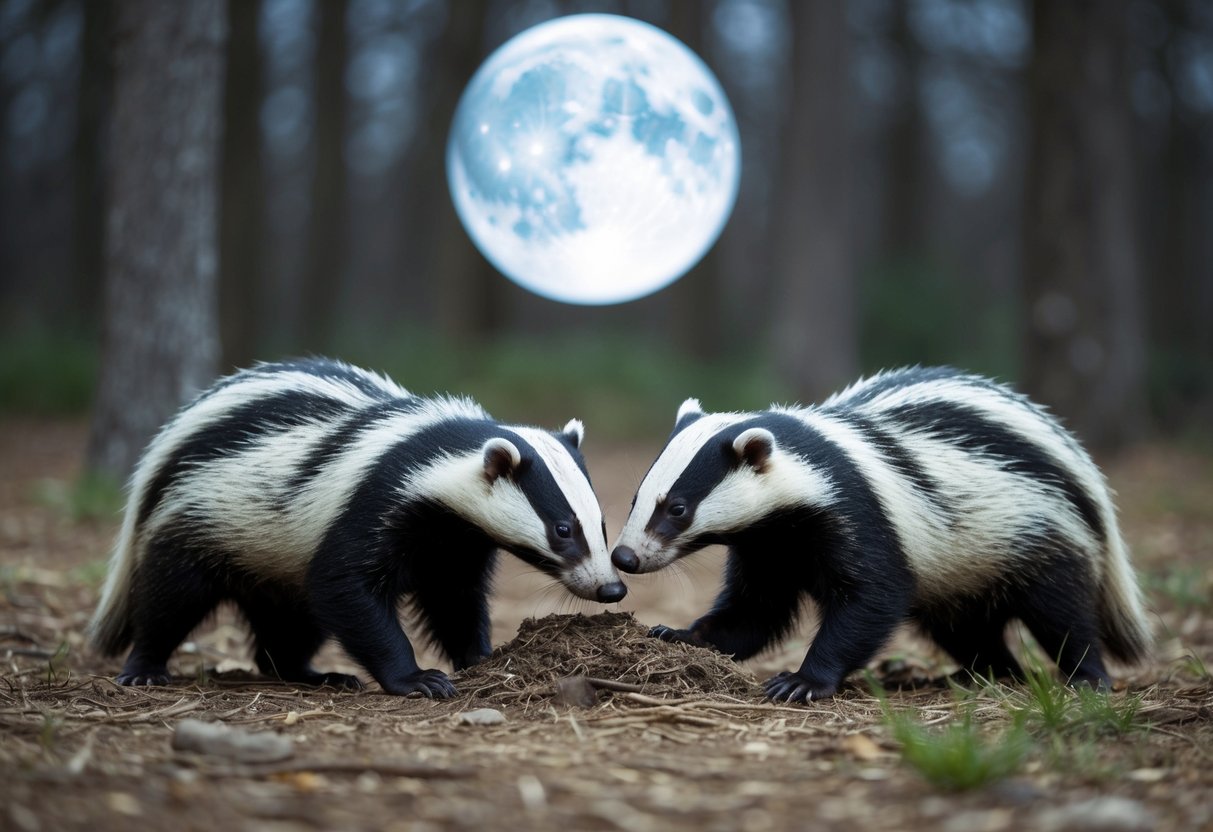
Badgers are social animals with unique family structures and interesting reproductive habits. Understanding these behaviors can give you insight into their lives and interactions.
Family and Social Structure
Badgers belong to the family Mustelidae, which includes weasels, otters, and wolverines. They often live in groups called clans. These clans usually consist of a mother and her cubs, along with other adults that help care for the young.
European badgers, in particular, use intricate burrow systems. These burrows provide shelter and a secure place to raise cubs. Cubs rely on their family members for safety and learning how to hunt.
Mating and Offspring
Badgers typically mate in late summer to early autumn. The process can involve elaborate courtship rituals, including mutual grooming and vocalizations. After mating, female badgers experience a phenomenon known as delayed implantation. This means that the fertilized eggs do not immediately attach to the uterine wall.
The gestation period lasts about seven weeks, leading to the birth of cubs in early spring. Usually, a female will give birth to 2 to 5 cubs. These little ones are born blind and rely heavily on their mother for warmth and nutrition. As they grow, they begin to explore their burrows and learn survival skills, preparing for a life as independent badgers.


