
Ever come inside from your garden and suddenly feel that itch? Yeah, you’re definitely not alone. Little bugs like mosquitoes, fleas, ticks, and chiggers love grassy or wooded spots, and they seem to love biting people even more.
You can often figure out what bit you just by checking out the look and location of the bite.

Mosquito bites show up as raised, red bumps that itch like crazy. Flea bites? They usually cluster around your ankles or feet.
Tick bites might not itch at first, but sometimes you’ll spot a red rash or that weird bullseye pattern if things get infected. Chigger bites are sneaky; they start as tiny, itchy red bumps and the bugs themselves are almost impossible to see.
If you know what’s biting you, you can treat the spots better and maybe dodge them next time. Getting familiar with these common garden bug bites can really help you enjoy your time outside a lot more.
If you want to dig deeper, plenty of guides online can help you identify bites in your yard.
Common Causes of Itchy Garden Bites
Step outside, and sometimes you’ll notice little itchy bumps on your skin. Bugs and other tiny critters living in your grass, bushes, or even the dirt usually cause these.
If you can figure out which bug bit you, it’s much easier to soothe the itch.
Fleas and Flea Bites
Fleas are tiny jumpers that usually hang out on pets, but they’ll bite people too. Flea bites show up as small, red bumps, often around your ankles or lower legs.
They itch a lot and can get sore if you scratch too much. Sometimes you’ll see a bunch of bites close together.
Flea bites can cause a rash or even tiny blisters. Fleas don’t usually spread many diseases to people, but scratching can lead to infection.
Anti-itch creams or a cold compress can help with the discomfort. If you keep your pets treated for fleas, you’ll probably see fewer bites.
Mosquitoes and Mosquito Bites
Mosquito bites are super common in gardens, especially if there’s any standing water nearby. They leave raised, red bumps that start itching almost right away.
Sometimes the bumps swell or feel warm. Mosquitoes are drawn to your body heat and the carbon dioxide you breathe out.
They’ll bite any exposed skin—arms, legs, you name it. Some mosquitoes carry diseases like West Nile virus, but honestly, that’s not super common in most places.
Wearing long sleeves and using insect repellent can help you avoid bites. If you get bitten, anti-itch lotion or calamine usually helps.
Chiggers and Their Reactions
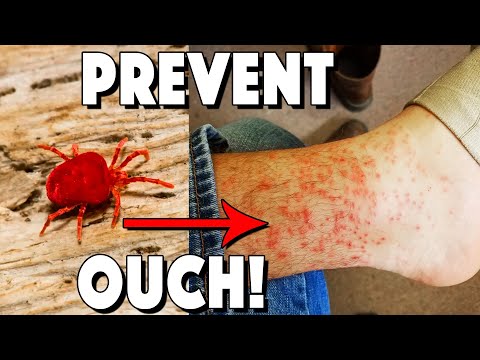
Chiggers are tiny mites that hide out in tall grass and bushes. You can’t really see them, but their bites show up as small, itchy red bumps.
You’ll often find chigger bites where your clothes fit tight, like your waist, ankles, or thighs. Sometimes the bites turn into a rash or welts, and they can get painful if you scratch too hard.
Chiggers inject a fluid that breaks down your skin cells, which is why the bites itch so much. The itching can stick around for days.
Washing the area with soap and water as soon as you notice a bite can help. Antihistamines or anti-itch creams might make things more bearable.
Ticks and Tick Bites
Ticks are small, dark little arachnids that latch onto your skin and feed on your blood. Their bites usually don’t hurt at first but can leave a red, itchy bump.
Sometimes you’ll see a bullseye-shaped rash, which could mean Lyme disease. Ticks love grassy or wooded spots, so it’s smart to check your skin after being outside.
Use fine-tipped tweezers to pull out a tick if you find one. If the bite gets swollen, red, or you start feeling flu-like, go see a doctor.
Long pants and insect repellent can really help keep ticks off you.
Other Garden Biters and Prevention Tips

Your garden’s full of tiny creatures that might bite or sting. Some just make you itch, others cause redness or even a bit of swelling.
If you know what you’re dealing with, it’s easier to keep your outdoor time comfortable.
Mites and Spiders
Mites are so small you’ll barely see them. You might pick them up when you’re digging in the dirt or handling plants.
They leave behind tiny, itchy red spots, sometimes in small clusters. Mites don’t usually bite in neat lines.
Spiders don’t bite unless you really bother them. Most garden spider bites cause redness and mild swelling, and sometimes they itch or sting.
Some spiders in the garden are harmless, but if you notice more pain or spreading redness, clean the bite and keep an eye out for infection.
Wearing gloves and long sleeves helps cut down on bites. Showering and changing clothes after gardening can wash away mites and spider webs.
Fire Ants and Their Effects
Fire ants are pretty aggressive and usually bite in groups. Their bites sting and burn right away, turning into red, swollen bumps with a little white spot in the center.
You’ll find them in sunny, disturbed soil or under piles of garden stuff. Fire ant bites hurt and sometimes cause allergic reactions.
Try not to disturb their mounds. If they get you, clean the area and use an antihistamine or hydrocortisone cream to calm things down.
Closed shoes and avoiding sitting on bare ground can help you dodge fire ant bites.
No-see-ums, Biting Gnats, and Sand Flies
No-see-ums, also called punkies, are so tiny you probably won’t notice them until you’re scratching. Their bites leave red, itchy bumps, a bit like mosquito bites, but sometimes they itch longer.
Sand flies bite mostly near water or in damp spots outside. Their bites cause red, raised spots that itch and might even blister.
Insect repellent with DEET or something natural like mint oil can help keep these bugs away. Wearing long clothes and skipping gardening at dawn or dusk can save you a lot of itching.
Using Natural Insect Repellents
You can protect yourself from plenty of garden biters by using natural repellents. Mint oil and other plant-based oils do a pretty good job at keeping certain bugs away, and you don’t have to mess with harsh chemicals.
Try dabbing a bit of diluted mint or citronella oil on your skin or garden clothes before heading outside. These oils help keep mosquitoes, no-see-ums, and some gnats from bothering you.
If you’re treating gardening clothes, go for insect repellents with 0.5% permethrin. This stuff repels ticks, mites, and other biters, and it even sticks around after a few washes.
Always check the product labels. Avoid putting repellents near your eyes or on any cuts.
Pairing repellents with long sleeves and pants? That’s probably your best bet for staying bite-free out there.


