
Chipmunks are small, striped rodents in the squirrel family. You usually notice them by their quick movements, cheek pouches, and busy foraging.
Chipmunks are ground-dwelling squirrels with a strong link to forests, rocky areas, and burrows. You can think of a chipmunk as a tiny, highly adapted squirrel that spends much of the day gathering food, guarding territory, and preparing for cold weather.
That mix of speed, storage habits, and seasonal survival gives chipmunks their familiar charm. Their behavior makes them more interesting than their size suggests.
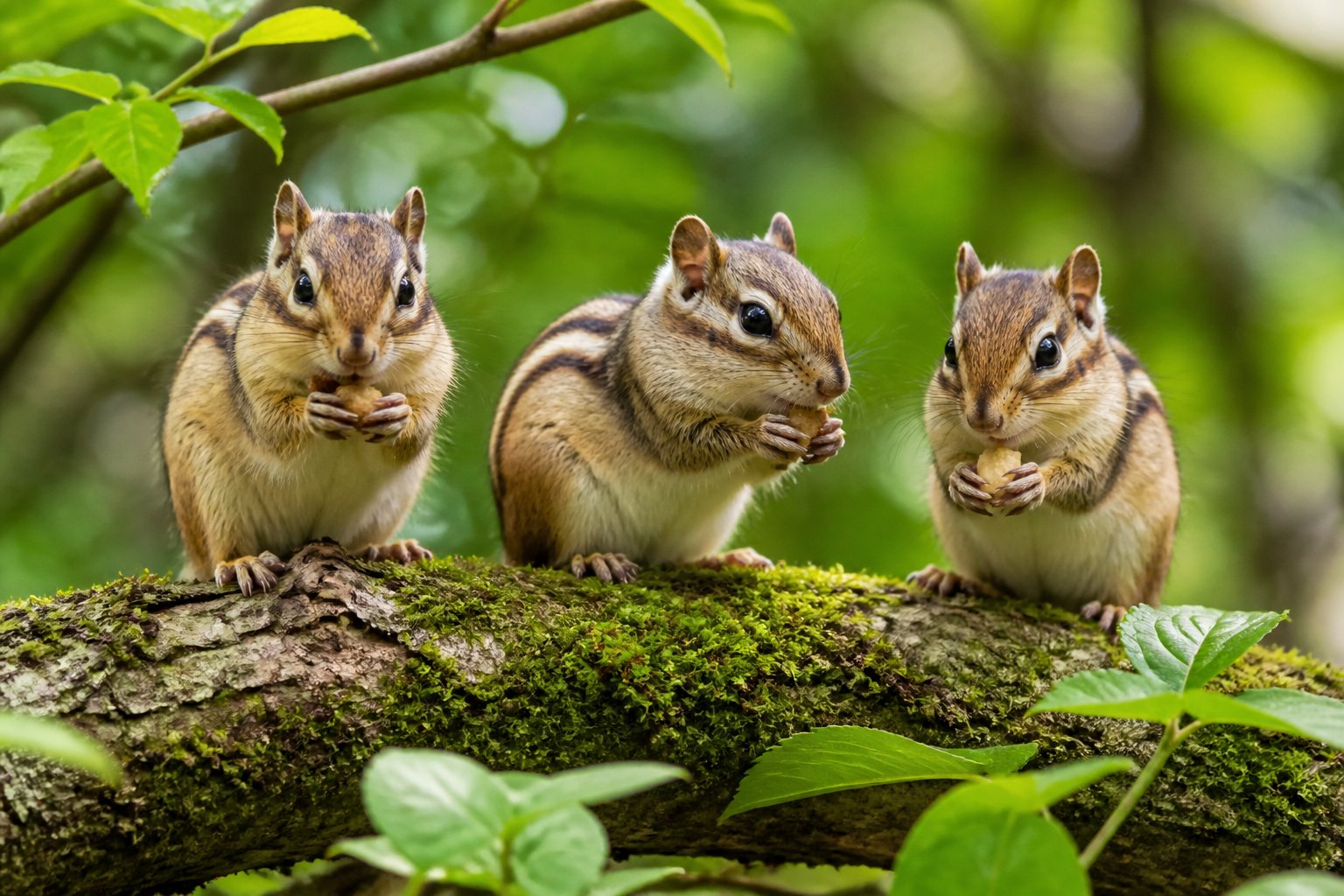
How Chipmunks Are Classified
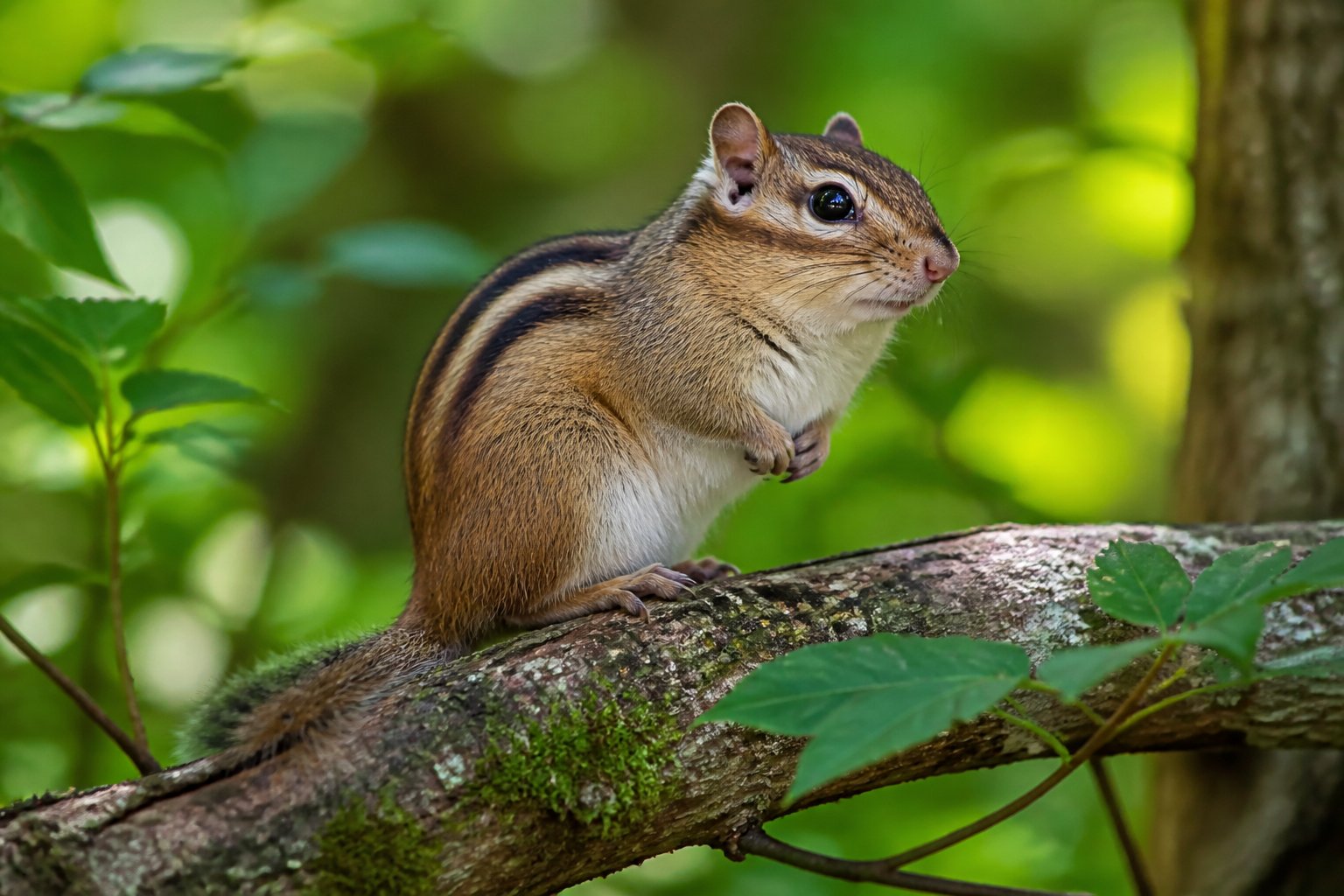
Chipmunks belong to the squirrel family, yet their body plan and habits set them apart from many tree-dwelling cousins. Their classification has shifted over time, so you may see different genus names in older or more specialized references.
Where Chipmunks Fit In The Squirrel Family
Chipmunks are rodents in the order Rodentia and members of Sciuridae, the squirrel family. In some classifications, scientists place them within the subfamily Sciurinae, while other systems group them with ground squirrels, marmots, and prairie dogs in the tribe Marmotini.
That placement shows their close relationship to other squirrels, including the tree squirrel and red squirrel, as well as ground-based relatives such as the marmot and prairie dog. The eastern chipmunk, Tamias striatus, stands out as one of the best-known examples.
The Main Genera: Tamias, Neotamias, And Eutamias
Many sources use Tamias as the main chipmunk genus. Others divide chipmunks into Tamias, Neotamias, and Eutamias.
The Siberian chipmunk, Eutamias sibiricus, is the best-known Old World species. This species reminds us that chipmunks are not limited to North America.
You may also see the term striped squirrel used informally because of their bold markings. In modern usage, Eutamias often appears as a separate genus in some systems and as a subgenus in others.
How Chipmunks Differ From Tree Squirrels And Ground Squirrels
Chipmunks are smaller than many tree squirrels, and they spend more time on the ground than most arboreal species. They climb well, but rely heavily on burrows and low vegetation rather than tree crowns.
They also differ from many ground squirrels by their stripes, cheek pouches, and compact build. That combination gives chipmunks a distinct place among ground squirrels, even though they share a common squirrel family background.
What Chipmunks Look Like And How They Live
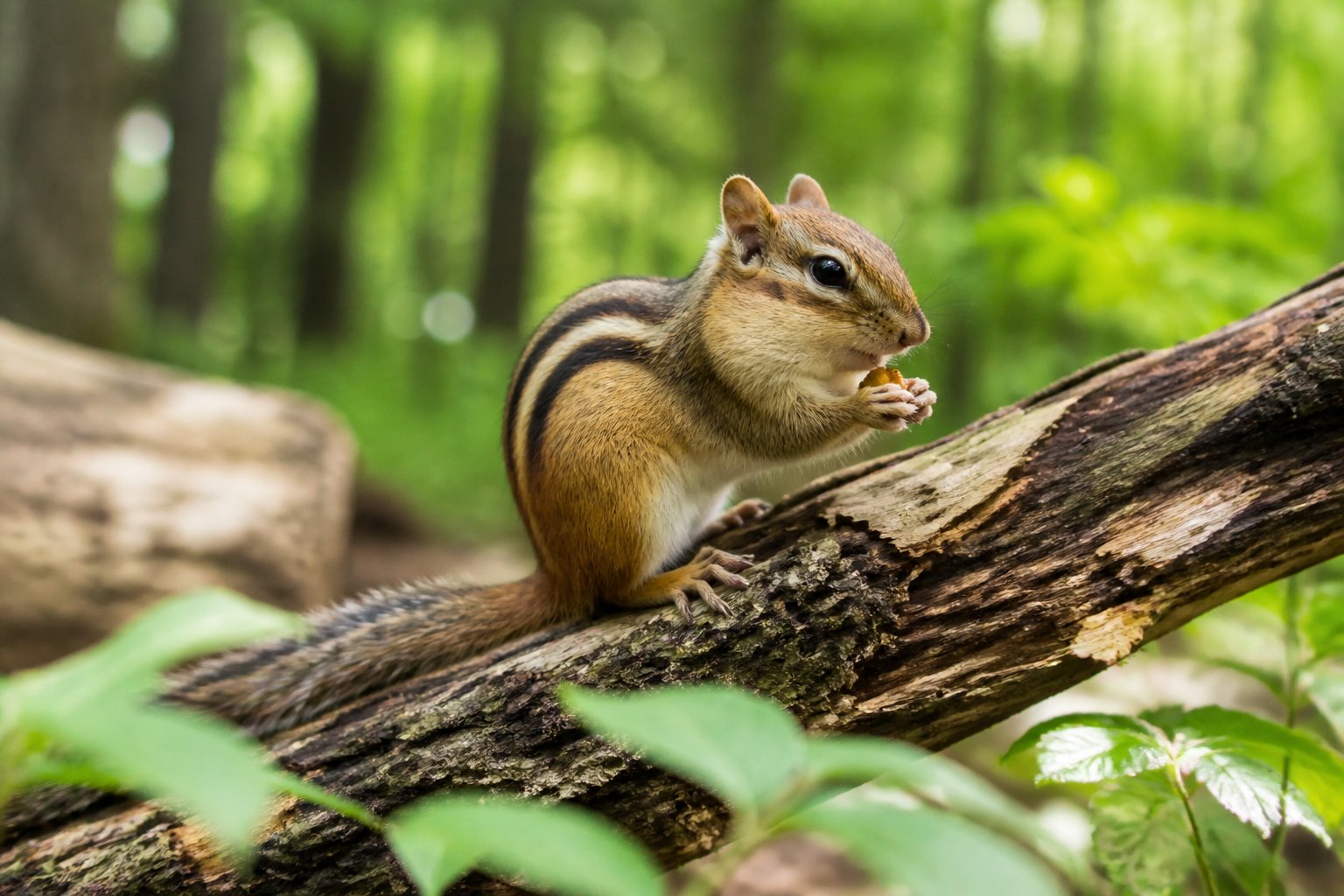
Chipmunks are built for speed, storage, and short bursts of activity. Their striped coats, cheek pouches, and burrow systems all support a life spent feeding, hiding, and surviving seasonal change.
Body Shape, Stripes, And Cheek Pouches
A chipmunk usually has a slender body, prominent eyes, small rounded ears, and a furry tail. Its most recognizable feature is the dark-and-light striping along the back and face.
Their large cheek pouches help chipmunks carry seeds, nuts, and other food items back to safety in a single trip.
Ground Burrows, Territory, And Daily Activity
Chipmunks build or use ground burrows. A chipmunk burrow may include tunnels, nesting chambers, and storage spaces.
Some species also use rocks, logs, or brush piles for cover while they forage. Chipmunks are active during the day and often defend small territories.
Baby chipmunks are born in spring or summer after a short gestation. Young stay hidden in protected dens while they develop.
Storing Food, Winter Torpor, And Seasonal Habits
Chipmunks store food, especially in places with cold winters. They carry food in their cheek pouches and cache it in burrows for later use.
Many chipmunks enter torpor rather than deep, continuous hibernation. They may wake on mild winter days and rely on stored food and sheltered nests to get through the season.
What Chipmunks Eat
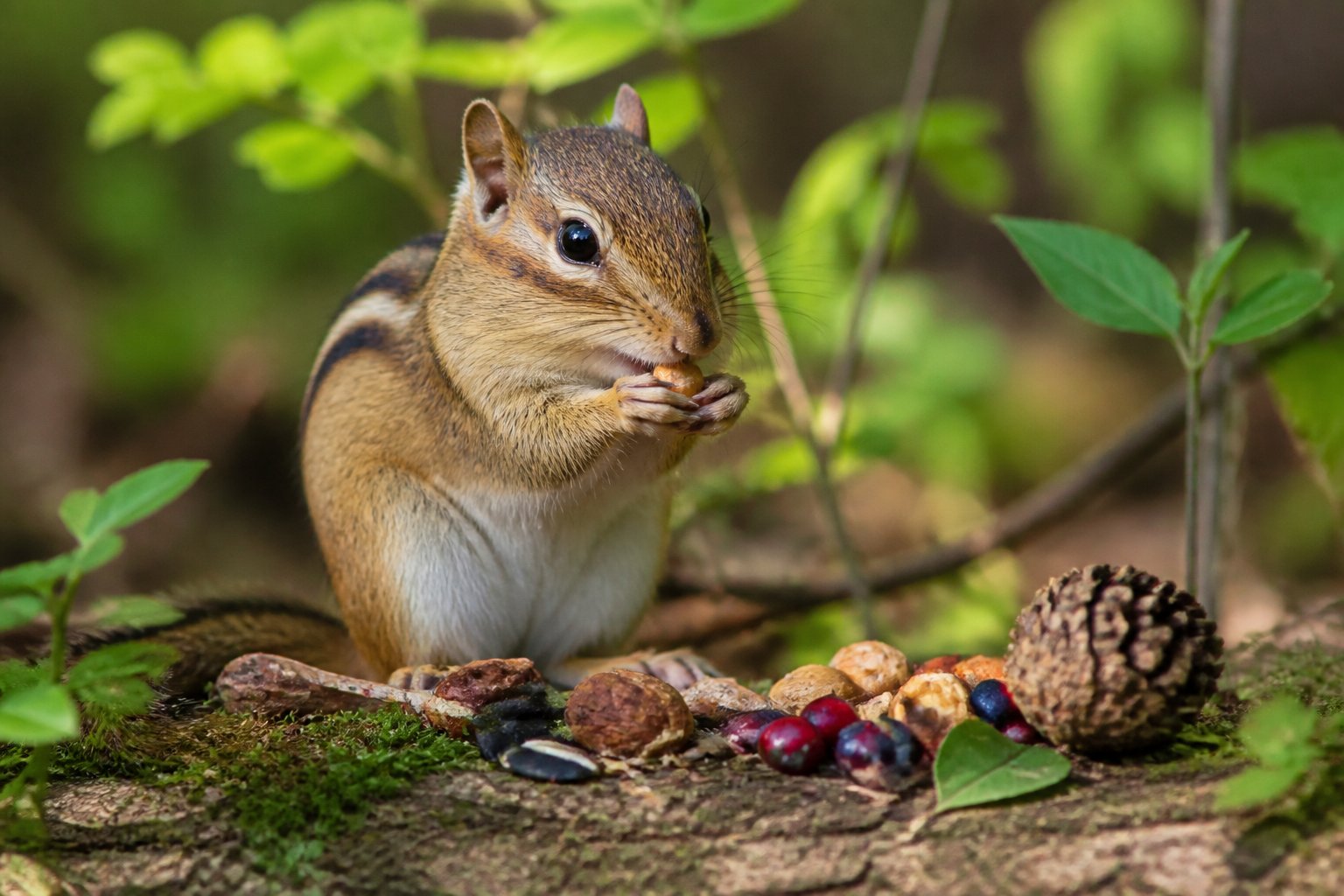
A chipmunk diet is flexible, seasonal, and opportunistic. The answer to what chipmunks eat changes with habitat, weather, and what is available nearby.
The Typical Chipmunk Diet
Chipmunks eat seeds, nuts, berries, fruits, fungi, shoots, buds, insects, and other small animals when available, according to Britannica. That broad diet helps them survive in forests, scrublands, and mountain habitats.
How Foraging Helps Forests And Gardens
Chipmunks help move seeds through an ecosystem, especially when they forget or abandon some of what they cache. By gathering food from many plants, chipmunks also connect forest floor life with the regeneration of nearby vegetation.
When Chipmunks Become A Nuisance Around People
Chipmunks can become a nuisance when they raid gardens, dig near foundations, or stash food in sheds and crawl spaces. The same instincts that help them survive in the wild can create problems in yards where seeds, bulbs, and fruit are easy targets.
Common Species And Types
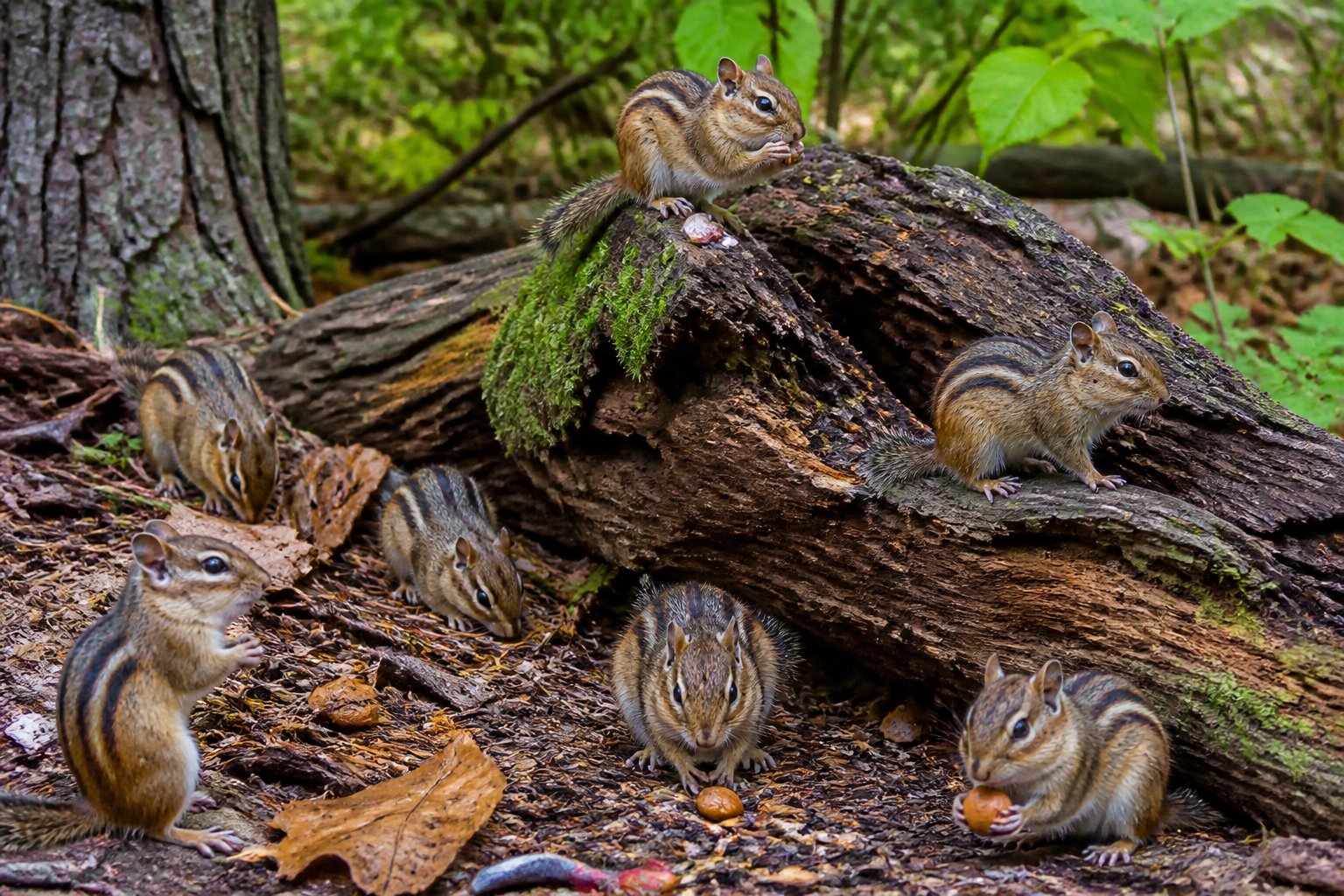
Chipmunk species vary by size, color, and habitat. Most share the same striped look and caching behavior.
The list of types of chipmunks is especially rich in western North America, with a smaller number in the East and one species in Asia.
Eastern And Least Chipmunks
The eastern chipmunk, Tamias striatus, is the most familiar eastern species and one of the largest. The least chipmunk, Tamias minimus or Neotamias minimus, is much smaller and lives farther west.
Western North American Species
Western chipmunk species include the gray-collared chipmunk, Neotamias cinereicollis, red-tailed chipmunk, Neotamias ruficaudus, Uinta chipmunk, Neotamias umbrinus, cliff chipmunk, Neotamias dorsalis, Colorado chipmunk, Neotamias quadrivittatus, yellow-cheeked chipmunk, Neotamias ochrogenys, Palmer’s chipmunk, Neotamias palmeri, long-eared chipmunk, Neotamias quadrimaculatus, alpine chipmunk, Neotamias alpinus, lodgepole chipmunk, Neotamias speciosus, Merriam’s chipmunk, Neotamias merriami, Sonoma chipmunk, Neotamias sonomae, Siskiyou chipmunk, Neotamias siskiyou, Townsend’s chipmunk, durango chipmunk, Neotamias durangae, and Buller’s chipmunk, Neotamias bulleri.
These species live in forests, cliffs, meadows, and mountain slopes across western North America.
The Siberian Chipmunk In Asia And Beyond
The Siberian chipmunk, Eutamias sibiricus, is the best-known Asian species.
It lives across parts of Russia and Asia and serves as the main example of a chipmunk outside North America.


