
Bees, especially honeybees, might look tough—they defend their hives and work non-stop to make honey. Still, they’ve got some real vulnerabilities that can put their colonies at risk.
Their main challenges? Diseases, parasites, habitat loss, pesticides, and climate change. Each of these makes life harder for bees, threatening their ability to pollinate and survive.
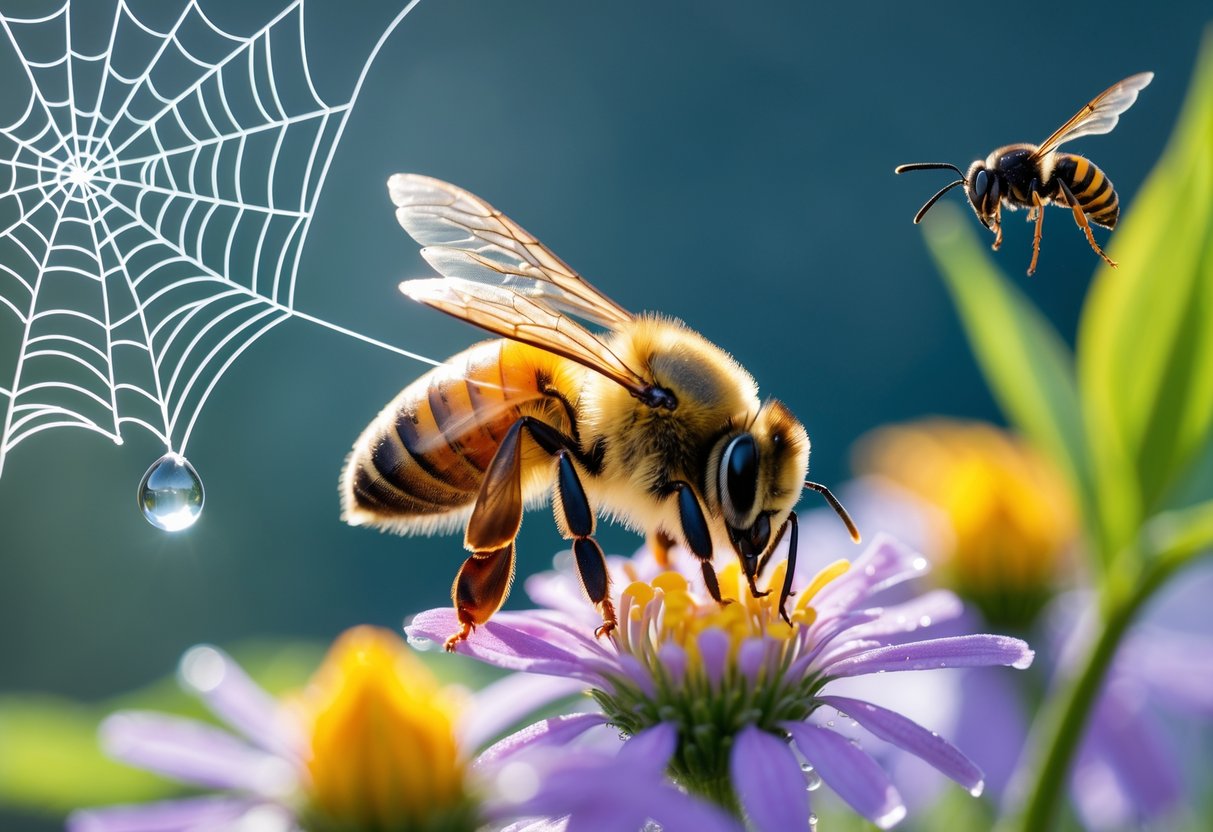
Tiny pests like Varroa mites and tracheal mites attack bees from the inside, spreading viruses and weakening them. Bees also need big areas full of flowers, so when their habitats shrink, their odds of survival drop.
Even things we do—like spraying chemicals on crops—can really hurt them. Sometimes it’s easy to forget how much our actions matter.
When you know what puts bees at risk, you’ll understand why they sometimes struggle. That knowledge makes it easier to help protect them and keep your garden or local park buzzing with pollinators.
Curious about what you can do? Check out more details at What Are Bees Weaknesses? Simple Facts You Should Know.
Primary Weaknesses and Threats Facing Bees

Bees deal with a bunch of tough challenges that hurt their health and survival. Tiny bugs, diseases, chemicals, and climate shifts all play a role.
Disease and Parasites
Diseases and parasites can devastate bees, and Varroa destructor mites are a huge problem. These tiny mites latch onto bees, suck their blood, and make it easier for viruses to spread.
This sometimes leads to Colony Collapse Disorder, where adult bees just vanish. Tracheal mites cause trouble too—they live inside the bee’s breathing tubes and make it tough for bees to breathe or fly.
Nosema, a nasty fungal infection, attacks bees’ stomachs and saps their energy. Once a disease gets into a hive, it spreads quickly.
If you keep your hive clean and watch your bees, you can help cut down these risks.
Pesticide Exposure
People use pesticides to kill insects on crops, but bees get caught in the crossfire. When bees pick up nectar and pollen from treated plants, those chemicals build up in their bodies.
This can mess with their navigation, so sometimes they can’t even find their way home. Certain pesticides also weaken their immune systems, making diseases and parasites even more dangerous.
Even tiny doses over time can hurt bees. If you use fewer pesticides or switch to safer options near your bees, you’ll help keep them safer.
Climate Change Effects
Climate change keeps shifting seasons and weather, and bees get confused by that. When flowers bloom at weird times, bees might not find enough nectar or pollen.
A lack of food hurts the whole colony. Warmer weather helps diseases and parasites stick around longer, too.
Mites that once died off in cold weather now survive through more seasons. Changes in rain and temperature can wipe out bee habitats, so bees have a harder time thriving.
If you pay attention to these changes, you can take better care of your hives.
For more info, check out the overview of the main threats to bees.
Environmental and Biological Vulnerabilities

Bees run into a bunch of problems in their environment and even in their own biology. Where they live, the weather, and their physical limits all matter.
Habitat Loss and Fragmentation
Bees need a mix of flowers and clean spots to gather nectar and pollen. When habitats shrink or break apart, bees struggle to find enough food and safe places to live.
With fewer flowers, colonies get weaker and honey production drops. You might notice bees acting sluggish when their natural spaces disappear.
Urban growth, farming, and deforestation all chop up bee habitats. Fragmented spaces also force bees to travel farther for food, burning more energy and facing more hazards.
If you protect wildflower patches and plant bee-friendly flowers, you’ll give local bees a fighting chance.
Sensitivity to Temperature Extremes
Bees really don’t like extreme heat or cold. Hot weather dries up flowers and nectar, while cold slows bees down.
When temperatures swing too fast or stay uncomfortable, bees can’t forage or keep their hives running smoothly. That means less honey and more stress for the colony.
Climate shifts make it tough for bees to match their growth cycles with blooming flowers. If you want to support bees, pay attention to the weather and offer shade or shelter when things get rough.
Barbed Stinger Limitation
Honey bees have barbed stingers, which is pretty different from what you see in most insects. When a bee stings, the stinger actually gets stuck in the skin and rips out of the bee’s body.
So, the bee dies not long after stinging. That’s a pretty steep price for just one sting.
Because of this, bees can’t defend their hive over and over. Each sting is a one-time deal for them.
Honestly, this trait shows that bees depend a lot on teamwork and prevention, not just on stinging again and again. If you want to help bees, it’s better to cut down on threats so they don’t feel the need to sting much at all.
Curious about what else bees deal with? Check out bee environmental stressors.


