
Ever wondered why bees seem to flock to certain spots? It’s pretty simple, honestly—bees go after flowers, scents, bright colors, and sweet nectar. All these things help them find food.
Bees rely on their strong sense of smell and love for bold colors like yellow and blue to zero in on flowers packed with nectar and pollen. When you plant the right mix, your garden pretty much becomes a bee hotspot.

Sometimes, your clothes, perfume, or even hair products might catch a bee’s attention if they smell a bit like flowers.
Once you know what draws bees in, you can either dodge their visits or invite them to help your plants thrive. It’s kind of nice, really—understanding what attracts bees lets you make your outdoor space good for both you and them.
If you’re curious about the specifics, keep going. You’ll find out which scents, colors, and flowers bees can’t resist.
It doesn’t take much to create a place that keeps bees buzzing back. For more, check out what bees love and how you can make your yard more inviting.
What Attracts Bees Most
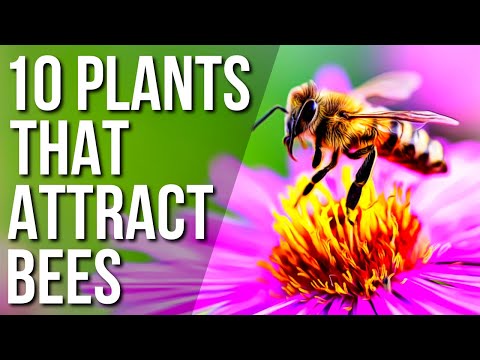
Bees go after a few main things in nature. They look for colors they can spot easily, sweet smells that hint at nectar, sugary treats, and sometimes even moisture.
Colors and Patterns Bees Prefer
Bees don’t see colors the way we do. They’re especially drawn to blue, purple, white, and yellow flowers.
Those shades really pop for them and help them find nectar fast.
Patterns matter, too. Flowers with striped or dotted petals actually guide bees to the nectar, kind of like a runway.
That makes grabbing food a lot easier for them.
If you want bees in your garden, try planting lavender, mint, and other purple or yellow flowers.
Mixing up the colors brings in different kinds of bees, too.
Sweet Scents and Aromas
Bees have a super strong sense of smell. They mostly go for floral scents, especially sweet or fresh ones.
Nectar-rich flowers give off strong aromas that bees can pick up from pretty far away.
Lavender and mint, for example, release scents that bees just love.
Bees also pick up on the smell of sucrose, which is a sugar in nectar and other sweet things.
If you want to keep bees around, skip the pesticides and chemicals—they can cover up or destroy the scents bees need.
Nectar, Sugar, and Pollen
Nectar is what bees crave most from flowers. It’s a sugary liquid that gives them quick energy.
Bees also gather pollen for protein.
Flowers with open blooms and visible pollen work best to attract lots of bee species, even the tiny sweat bees.
Veggies like squash, cucumbers, and tomatoes have yellow flowers that bees really like for both nectar and pollen.
That mix of nectar and pollen is what keeps bees healthy and busy.
Moisture and Sweat
Bees need water, but you won’t always see them at puddles. Sometimes, they go for moist spots or even sweat on your skin.
Sweat has salts and minerals bees want.
That’s actually why sweat bees sometimes land on people—they’re after those minerals.
If you set out a shallow water dish with a few stones, you’ll help bees get what they need safely.
It’s a simple way to support bee health, not just feed them.
How to Attract Bees to Your Garden

You can draw more bees to your garden by planting the right flowers and herbs.
Designing your garden with their needs in mind, and using eco-friendly habits, really helps too.
Best Flowers and Herbs for Bees
Bees love flowers that offer lots of pollen and nectar.
The top picks for most gardens are lavender, sunflowers, mint, and wildflowers.
These plants bloom at different times, so bees always have something to eat through the season.
Try mixing up colors like blue, violet, white, and yellow—bees notice these shades more.
Herbs such as thyme, oregano, and basil also work well and smell amazing.
Skip hybrid flowers that don’t make much pollen—bees don’t get much from them.
Garden Design Tips to Support Pollinators
To bring in bees, plant a variety of species that bloom at different times.
Group similar flowers together so bees can gather nectar easily.
Leave a few patches of your garden a bit wild—bees use those spots to rest.
Add a shallow water source, like a birdbath with stones, so bees can drink safely.
Don’t use pesticides, especially when flowers are blooming, since chemicals can hurt bees.
If you add a beehive or bee house nearby, you might even get native bees to stick around.
Sustainable Practices for Bee-Friendly Spaces
Focus on practices that actually keep your garden safe and healthy for bees in the long run. Try using organic compost and mulch—these enrich the soil without dumping chemicals everywhere.
Plant native species. They’re just better for local bees, plain and simple.
Don’t cut all your plants at once, especially later in the season. That way, bees can still find food when they need it most.
Rotate your crops and use natural pest controls. These protect both your plants and the pollinators buzzing around.
Little changes like these keep your garden alive with bees and help the environment too.
For more tips, check out this guide on how to attract bees to your garden.


