
Most people assume lions don’t fear anything, but honestly, a few animals (and humans) can really threaten them. Lions usually worry about other male lions, huge herds like elephants and buffalo, and those relentless packs of hyenas and wild dogs. That’s the short list, but it covers the biggest dangers to a pride and shapes how lions make it through tough competition.

Let’s dig into how those main threats stack up against smaller dangers—think crocodiles, porcupines, or even venomous snakes. Lions have to use teamwork, avoidance, and brute strength to deal with all of it. Understanding what scares lions helps explain a lot about their behavior and survival tricks.
Top Animals Lions Fear Most
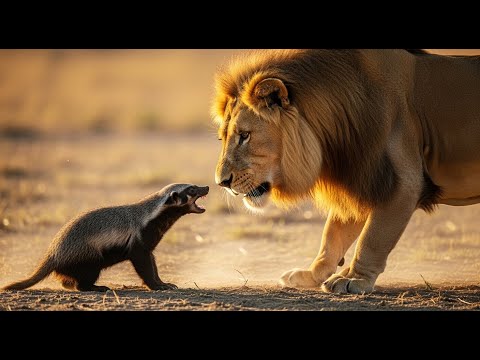
Lions deal with threats from humans, rival lions, big predator groups, and massive herbivores. Each danger changes how safe a pride feels and whether cubs make it.
Humans: The Greatest Threat
Honestly, humans are lions’ biggest problem these days. Farmers sometimes kill lions that go after livestock, while trophy hunters and poachers take out important adults from a pride.
When farms and roads spread, lions get pushed into smaller spaces. That means less food and water to go around.
People also bring new diseases. Domestic dogs can spread canine distemper to lions, and poisoned bait meant for other pests sometimes kills lions by mistake.
Some conservation groups now pay farmers for lost livestock or protect wild corridors, which actually helps a lot.
Other Lions and Intra-Pridal Conflict
Other lions—especially new males—are a direct threat to any pride. Male coalitions trying to take over will kill the current adult males and often kill cubs to make the females come back into heat.
These battles can leave a pride without leaders and cause a big drop in cub survival for a while.
Territory and mating fights get brutal. You’ll see deep wounds, broken bones, and stressed survivors. Sometimes, females fight to protect cubs, but usually, the bigger group wins.
Hyenas and Coordinated Pack Threats
Hyenas? They’re a nightmare in big groups. A big clan can steal kills, harass lone lions, and even snatch cubs if no one’s looking.
You’ll spot hyenas following prides at night, working together to wear down any isolated lion.
Hyenas rarely kill a healthy adult lion one-on-one, but their nonstop pressure means more injuries and hunger. Lions hunt in groups and guard cubs to keep the odds in their favor. Sometimes, they just give up a meal instead of risking a fight.
African Elephants and Defensive Megafauna
Elephants are a whole different problem. Adult elephants don’t hunt lions, but if a lion gets too close to a calf or a waterhole, things can turn deadly fast.
A charging elephant will use its size and tusks to send lions running—or worse.
Buffalo and hippos can be just as dangerous, especially during hunts or water disputes. Lions usually avoid healthy adult elephants, hippos, and rhinos. Staying away from herds, especially near calves or water in the dry season, is just smart.
Secondary Dangers and Lion Defense Strategies

There’s more out there than just rival lions and people. Lions deal with big herbivores, water predators, nasty kicks, and even sudden threats like fire or loud noises.
Cape Buffalo and Rhinoceros Encounters
Cape buffalo and rhinos can seriously mess up a lion. Buffalo stick together and use their horns to fight back. A pride will try to pick off a weak or young buffalo, but most of the time, they back off if the herd circles up.
Rhinos usually keep to themselves in thick bush. Lions almost never go after a healthy adult rhino—a single horn strike could be fatal.
Watch how lions hunt: they’ll stalk to find a vulnerable target, call for backup, and run if the herd charges. Teamwork and caution beat brute force out here.
Crocodiles Near Water Sources
Crocodiles are sneaky. They wait at riverbanks and waterholes, ready to ambush. When lions come to drink or hunt near water, crocs can strike fast and pull a lion under.
Most lions avoid thick reeds and hunt on dry ground to dodge crocs.
If a kill happens near water, hyenas and crocs might show up to fight over it. Lions will defend their meal on land but won’t risk swimming after it. Protected waterholes and anti-poaching patrols help keep lions from getting forced into dangerous riverbanks.
Giraffes and Defensive Kicks
Giraffes don’t mess around. Their kicks can kill a lion with one blow. Lions generally go after young or weak giraffes, not healthy adults.
A pride surrounds and tries to isolate a giraffe, attacking from behind if they can. Still, one good kick can break bones or worse.
If a giraffe fights back, lions usually back off and look for easier prey. They’d rather not risk getting crushed, so they pick targets where the reward outweighs the danger.
Fire, Loud Noises, and the Fear of the Unknown
Lions usually steer clear of fire and loud, sudden noises. If you pay attention, you’ll see them avoiding places with recent burns or even areas where people have built fires.
There’s something about the heat, smoke, and all that unpredictable movement that really puts them off. Loud noises—think vehicles, gunshots, or heavy machinery—tend to startle lions and make them leave pretty quickly.
Anti-poaching teams often use loud deterrents and bright lights to keep lions away from livestock and people. That approach helps push lions out of risky spots and actually cuts down on conflicts.
As for snakes, lions don’t react with the same kind of fear. Sure, they’ll avoid unknown small animals if the risk seems high, but they don’t show that strong, immediate fear of snakes like they do with fire or loud sounds.


