
Lions chase all sorts of animals, but they stick with species they can actually catch and feed to a pride. Most often, lions hunt medium to large herbivores like zebras, wildebeest, antelope, and warthogs because those animals give the best return for the effort. This piece dives into which animals lions go after and why those choices matter.

You’ll also get a look at how hunting style shifts based on the type of prey and the makeup of the group. Lions rely on teamwork, stealth, and quick bursts of speed to pick off weaker or younger animals. These tactics shape what ends up on the menu.
Primary Animals Chased by Lions

You’ll find out which animals lions hunt most often and why those prey work for a pride. There’ll be details on size, group behavior, and how lions decide what’s worth the chase.
Zebras as Staple Prey
Zebras are a classic lion target. They’re everywhere, medium-sized, and you’ll spot them in herds near water. A single adult zebra can weigh 300–450 kg, so one kill can feed a pride for several days.
Lions usually go after young, old, or injured zebras that lag behind. Hunting zebras takes teamwork. Female lions drive the herd toward ambushers or surround a small group to block escape. Lions tend to hunt at night or at dawn when it’s harder for zebras to warn each other.
Wildebeests and Group Hunts
Wildebeests travel in massive migrating herds, so lions get plenty of chances to hunt them. An average wildebeest weighs 100–250 kg, and big herds mean lions can find weak or separated animals more easily.
During migration, lions ramp up hunting near river crossings and grazing spots. Some lions chase, while others wait in ambush along paths. That division of labor shows why wildebeest are such common prey and why lions time hunts to match herd movement.
Antelopes and Gazelles
Antelopes and gazelles—including impalas—are quick but smaller. Lions take them when the opportunity pops up. Impalas weigh about 40–65 kg, which makes them easier to drag and share.
Lions often pick off lone, young, or weakened animals. Hunts for these smaller prey rely on stealth and a burst of speed. Female lions creep up using cover, getting as close as 20–30 meters before sprinting. When bigger animals are scarce or cubs need smaller meals, lions hunt antelopes and gazelles more often.
Buffalo and Larger Mammals
African buffalo are a different story—big and dangerous, often weighing 500–900 kg. Lions usually pick out old, sick, or young buffalo, avoiding the healthiest adults.
Hunting buffalo takes a lot of teamwork. Lions surround the target, bite at the hindquarters, and try to pull the animal into thorny cover to keep hyenas away. Males sometimes join these hunts because it takes extra muscle to bring down a big buffalo and keep the kill safe.
How Lions Chase and Capture Their Prey
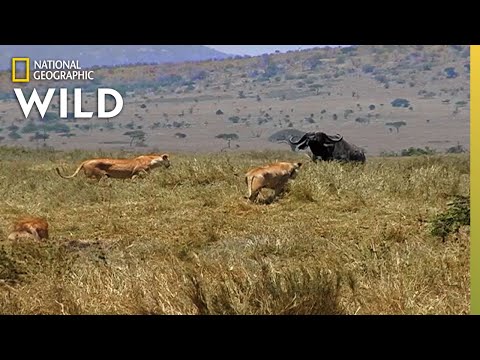
Lions move quietly, then burst into speed and work together to catch animals. Here’s how they stalk, sprint, coordinate, and deal with scavengers.
Stalking and Ambush Tactics
You watch the herd from downwind, staying low in the grass. Lionesses do most of the stalking because their slimmer bodies and lack of mane help them blend in.
They creep forward, pausing if an animal looks their way. Lions use shrubs, tall grass, or rough ground for cover until they’re within about 20–30 meters.
When lions get close enough, one or two will suddenly break cover and run. That move creates confusion, making the herd scatter. Another lion gets a shot at pouncing.
Lions pick out animals that look weak, young, or separated to boost their chances of success.
Short-Distance Chasing
Lions don’t chase for long. Most sprints are just 30–100 meters.
They go all out in short bursts, but they overheat and tire fast. Timing matters—a failed sprint means they stop and save energy for next time.
When a lion catches up, it tries to trip or knock the prey off balance with a swipe or tackle. The killing bite usually goes for the throat or neck.
After a kill, the pride drags bigger carcasses to a safer spot. Smaller prey might get eaten right where it falls.
Role of Lion Prides in Hunts
In a pride, everyone has a part. Lionesses handle most hunting, while males protect territory and sometimes help take down huge prey like buffalo.
Lionesses set up on the flanks—left, center, and right—to funnel and confuse prey. This teamwork helps them single out one animal from the herd.
Cubs stay back to avoid danger and watch the action. Adult males usually eat first, but working together keeps the pride fed and supports the cubs.
Pride size and how well they work together affect hunting success. More coordinated groups can take on tougher prey and adapt when food gets scarce.
Challenges from Scavengers
After a kill, you’re not alone for long. Hyenas, vultures, and sometimes even other lions rush in, hoping to snatch some meat before it’s gone.
Hyenas usually rely on sheer numbers and stubbornness to push lions off a carcass. Vultures, on the other hand, spot a fresh kill from above and practically broadcast the news to every hungry mouth nearby.
Lions don’t just stand by. They growl, posture, and sometimes get into real scraps to hang onto their meal. Male lions, especially, step in to guard bigger carcasses, which is a huge deal when prey is scarce.
Scavengers force lions to pick their dining spots carefully and eat a lot faster than they might like. This constant competition shapes how food gets shared out in the wild.


