
In the world of large, majestic animals, you might wonder about the male buffalo. A male buffalo is commonly known as a bull, and it holds a special place among the bison species, particularly the American bison, which roams North America. These powerful creatures play a significant role in their ecosystems, making them fascinating to learn about.
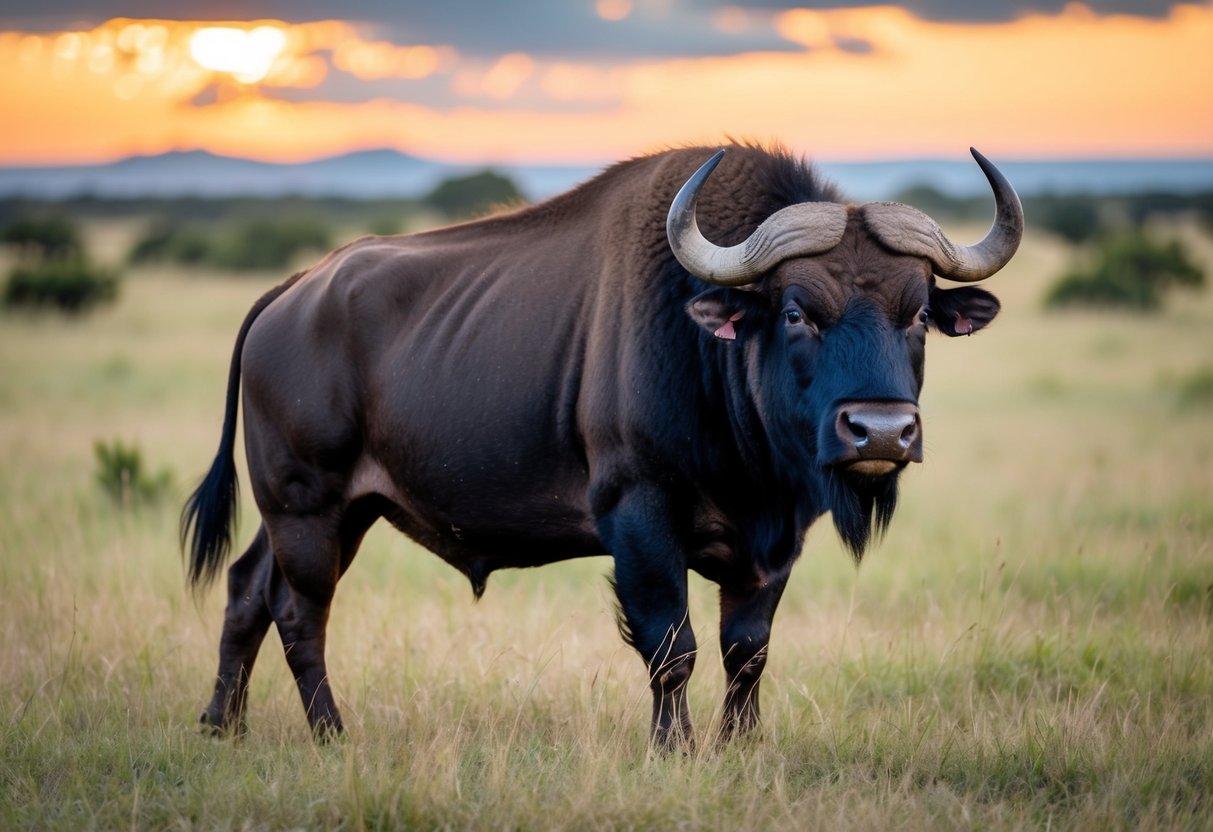
Standing out with their massive builds and distinctive features, such as their characteristic shoulder humps, bulls can be quite impressive. Whether you’re curious about their behavior, physical traits, or their importance in agriculture and culture, there’s much to uncover about these magnificent animals.
As you explore this topic, you’ll gain insights into the male buffalo and its place in the wild, giving you a deeper appreciation for these incredible creatures and their impact on the natural world.
Understanding Bison and Buffalo
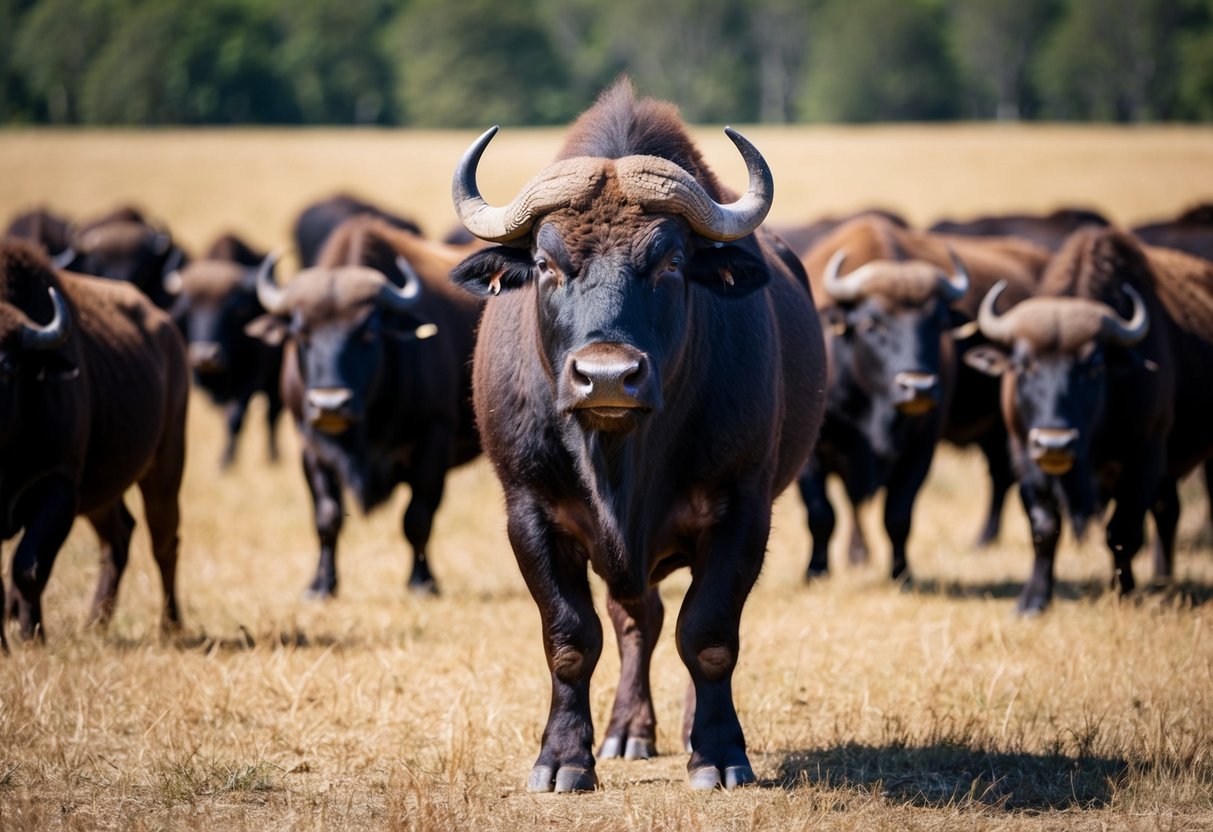
Bison and buffalo might seem similar, but they are actually different animals. This section will explore their species, physical traits, habitats, diets, and behaviors to help you understand what sets them apart.
Species and Subspecies
Bison belong to the genus Bison and are found mainly in North America and Europe. The American bison (Bison bison) has two main subspecies: the plains bison and the wood bison. The plains bison roams the Great Plains, while the wood bison can be found in forested areas of Canada. Buffalo, on the other hand, generally refer to two types: the water buffalo and the African buffalo. Water buffalo are often domesticated, while African buffalo are wild and live in herds across sub-Saharan Africa.
Physical Characteristics
Bison are known for their impressive size. Male bison can weigh up to 2,000 pounds and stand about six feet tall, while females are smaller. They have shaggy fur, a distinctive hump on their shoulders, and a mane of hair that gives them a unique appearance. Bison also feature shorter, sharper horns, unlike buffalo, which usually have long, curved horns. Their thick coats protect them in colder climates, and if you spot an animal with a beard, it’s a bison!
Habitat and Diet
Bison are herbivores that thrive in grasslands, particularly the Great Plains in North America. They graze on grasses, herbs, and other vegetation. Bison play an important role in their ecosystem by affecting plant growth and creating habitats for other species. Buffalo also prefer grasslands but can be found in wetlands or forested areas, depending on the species. Both animals require large territories for grazing, and they often form large herds to find food.
Behavior and Communication
Bison are social animals that live in herds, which provide safety and support. Their communication includes grunting, snorting, and body language. When threatened, bison may display aggression, especially males during mating season. Female bison also exhibit protective behaviors toward their calves. Despite their large size, bison can be surprisingly agile. This agile nature helps them evade predators. As they reach sexual maturity, usually around two years of age, their behaviors become more defined as they find mates and establish their place in the herd.
Conservation and Importance
You may wonder why the conservation of the male buffalo, often called the American bison, is so vital. This species not only has historical significance but also plays a crucial role in its ecosystem.
Threats and Conservation Status
The American bison faces several threats. Habitat loss, hunting, and diseases impact their population. By the late 19th century, bison numbers plummeted due to overhunting. Today, the IUCN lists them as near threatened. Conservation efforts have begun to reverse this trend. National parks, like Yellowstone National Park, play a critical role in protecting bison habitats. These parks offer safe spaces for bison to thrive away from human interference.
Cultural Significance
The cultural importance of the American bison goes deep. For many Native American tribes, bison are sacred and symbolize strength and endurance. They are central figures in rituals and stories. Historically, bison were critical for survival; they provided food, clothing, and tools. Today, bison continue to hold a special place in the hearts of many people, serving as a reminder of a rich cultural heritage.
Population Recovery
Thanks to conservation efforts, bison populations have made a remarkable recovery. Once numbering just a few hundred, they now exceed 500,000 in North America. This success story is attributed to protections and management strategies. Conservation programs focus on habitat restoration and education. You can support these initiatives by visiting national parks, where you can learn more about bison and their importance.
Hybrid Species
You might have heard of beefalo, a hybrid between bison and domestic cattle. Breeders created this hybrid for various purposes, including meat production.
While beefalo do offer some benefits, they can threaten the genetic integrity of pure bison populations. Conservationists stress the importance of maintaining the genetic lineage of the American bison. It’s crucial to safeguard these amazing animals for future generations.


