
You might picture a giraffe as nearly untouchable out there on the savanna, but, honestly, some animals can and do take down giraffes if the situation’s right. Lions, hyenas, wild dogs, crocodiles, and even leopards can kill giraffes—usually the calves, sick individuals, or when a bunch of predators team up. Let’s dig into which animals actually threaten giraffes and why adult giraffes rarely get taken down.

As you read on, you’ll see real examples of predator tactics, why calves are so vulnerable, and how giraffes use their height, kicks, and group behavior to get by. Sometimes that size is enough to keep them safe, but sometimes, well, danger gets a little too close.
Animals That Can Beat a Giraffe

So, which animals actually kill or seriously injure giraffes, and how do they manage it? You’ll get details on their hunting styles, who they target (usually calves), and where these run-ins happen.
Lions: The Main Giraffe Predators
Lions top the list as giraffe predators, especially when it comes to calves or sick adults. They hunt in prides and rely on teamwork. Some lions distract the giraffe while others go for the legs or flank to bring it down.
Lions usually hunt at night or when the light’s low, making it harder for giraffes to spot them. A healthy adult giraffe can defend itself with some brutal kicks, so lions wait for a weak moment. You’ll find them ambushing near water, in tall grass, or on the edge of woodlands.
When the pride works together, they can wear a giraffe out and go in for the kill once it falls.
Hyenas and Their Hunting Strategies
Hyenas don’t usually go after healthy adult giraffes by themselves, but they’re a real problem for calves, sick giraffes, or when one gets stuck. Hyenas use numbers and persistence. They’ll harass their target, nip at softer spots, and keep at it until the herd splits up.
Spotted hyenas hunt at night and in packs. They take advantage of confusion—mud, fences, or other predators separating a calf. If lions make a kill, hyenas often move in fast to steal leftovers.
Their teamwork and stamina make them a big threat to vulnerable giraffes, especially across the African savannah.
Crocodile Attacks at Waterholes
Crocodiles go for giraffes at river crossings and waterholes. They target the trunk, legs, or flank and try to drag the giraffe into deeper water.
Crocodiles rely on surprise and jaw strength. They wait just under the surface near the bank or in channels where giraffes come to drink. If the giraffe can’t pull free, the crocodile’s pull-and-drown move can be deadly.
These attacks usually happen along rivers or during the dry season when animals crowd the same water spots.
Elephants in Giraffe vs Elephant Battles
Elephants don’t hunt giraffes, but sometimes they clash over space, water, or calves. Most fights start when an elephant gets aggressive or a giraffe ends up between competing elephants.
Elephants use their massive size, tusks, and sheer force—not much stealth involved. In a direct fight, an elephant can injure a giraffe badly or even crush a calf.
Giraffes kick back, but an adult elephant can still win by trampling or goring. These run-ins usually happen where their ranges overlap, like near watering holes or during droughts when resources are low.
How Giraffes Defend Themselves
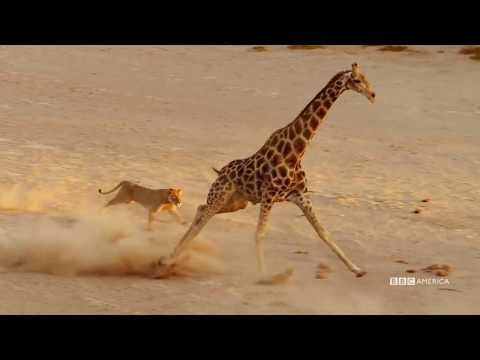
Giraffes rely on their height, strong legs, and social smarts to avoid predators. They use powerful kicks, heavy necks and ossicones, and even group tactics to protect themselves.
Powerful Kicks and Defensive Behavior
When a predator gets close, a giraffe turns to its legs as its best weapon. One hind-leg kick can break a lion’s bones or kill it outright.
Giraffes plant their feet, coil up, and swing with their whole hip to deliver a serious blow. Their hooves are tough and wide, so each kick packs a punch.
They also run fast—adults can hit about 35 mph in short bursts. Those long strides put distance between them and danger. Usually, they’ll face a threat and kick sideways or backwards, rather than bolting right away.
That lets them defend their calves and warn the rest of the herd.
Necking and Use of Ossicones
Giraffes use their long necks for more than just reaching leaves—they fight with them too. In “necking” contests, males swing their heads like hammers.
They strike with the bony knobs on top of their heads, called ossicones, landing heavy blows on their opponent’s body. These hits can really hurt.
Necking helps sort out dominance and access to mates, but it’s not usually fatal. Smaller or younger males often back down before things get too rough.
Females sometimes use gentler necking to set social boundaries or protect their calves. That long neck gives them reach, and the ossicones focus the impact during these clashes.
Camouflage and Group Protection
Giraffe coat patterns make them easy to spot from far away, but those same patterns actually break up their outline in the trees and dry brush. The brown patches and lighter fur blend right in with acacia trees and the shadows scattered across the savanna, which makes it tough for predators to sneak up.
You’ll often see calves tucked away near thorny acacia stands—predators don’t really like getting too close to those.
Giraffes rely a lot on group vigilance, too. Usually, one adult stands tall, scanning the area with those sharp eyes while the rest munch on acacia leaves.
If one suddenly lifts its head and lets out a snort, the whole herd reacts and moves off together. Mothers tend to gather loosely around the calves, so more adults can keep watch for lions, hyenas, or even crocodiles.
When danger shows up, they coordinate quickly—sometimes with a flurry of kicks, sometimes just by running for it.


