
So, you’re curious about how to say “squirrel” in German and actually use it right in a conversation or when you’re writing something. The German word is das Eichhörnchen (plural: Eichhörnchen), and you pronounce it kind of like EYK-hurn-shen. Let’s get into pronunciation tips, common ways people use the word, and how it can change depending on the situation. That way, you’ll sound a lot more confident when you drop it into a sentence.

There’s more, too—different types of squirrels, some phrases Germans actually use, and a couple of variations you might run into. If you’re into nature notes, stories, or just chatting, you’ll want to know which word fits. Let’s dive in and get that pronunciation and meaning down with some real-life examples.
Squirrel in German: Translations, Pronunciation, and Meaning
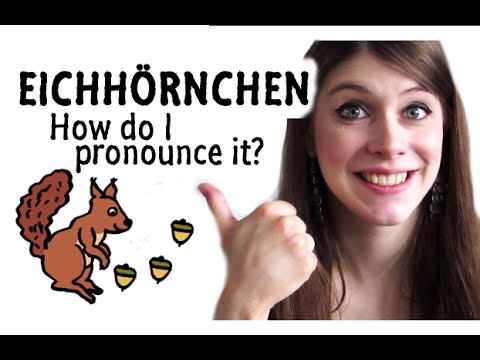
You’ll find out the usual German words for squirrel, how to say them, and where they come from. The next bits cover the main translations, a quick pronunciation guide, and the literal meaning and background of the word you’ll run into most.
Translations and Synonyms for Squirrel
The word you’ll hear almost everywhere is Eichhörnchen (neuter: das Eichhörnchen). You’ll spot it in dictionaries and online resources like the Cambridge English–German Dictionary.
Here are a few other words you might bump into:
- Hörnchen — a shorter, more casual version people sometimes say.
- Eichkätzchen — a cute, old-fashioned term, maybe in poems or talking about baby squirrels.
- In some regions or technical texts, you’ll see other names, but honestly, they’re not common in daily life.
If you look up “squirrel” in an English–German dictionary, you’ll probably get a few options. Each entry usually lists the noun’s gender (das), plural forms, and some example sentences to help you pick the right one.
How to Pronounce Eichhörnchen
Eichhörnchen splits into three parts: Eich — hörn — chen.
Try saying it like: “ikeh-hurn-chen.” Put the stress on the first bit: EICH-hörn-chen.
Some quick tips:
- Eich is almost like “ike” but with a short i.
- The ö in hörn—think of the “ir” in “bird” but with your lips rounded. It’s a little weird at first, but you get used to it.
- -chen ends softly, kind of like the “-chen” in “kitchen,” just snappier.
It helps to listen to a few audio clips on a pronunciation site or in an online dictionary. Say it out loud a few times—eventually, the three parts start to blend together.
Literal Meaning and Word Origin
Eichhörnchen actually comes from two older German roots: Eiche (oak) and Hörnchen (little horn or corner). People probably named squirrels after oak trees because, well, that’s where you’ll usually catch them snacking or hiding acorns.
The little -chen at the end makes the word sound smaller or cuter, so Eichhörnchen literally means something like “little oak dweller” or maybe “little oak horn,” depending on how you look at it. In old books, you might see versions like Eichkatze or some regional twists. These days, though, Eichhörnchen is the standard, and dictionaries use it for “squirrel” in English–German entries.
Types of Squirrels and Contextual Uses in German

Here’s where you’ll see different squirrel species in German, and how the word shifts in normal talk, technical lingo, or local dialects. Let’s check out the common German names, a few handy idioms, and some specialized terms for animals and even machines.
Common Squirrel Species and Their German Names
Most of the time, people just say das Eichhörnchen when they mean tree squirrels in Germany. The local red squirrel goes by das Eichhörnchen or, if you want to be specific, das rote Eichhörnchen. When folks mention the eastern gray squirrel (which isn’t from Germany), they call it das graue Eichhörnchen.
Ground squirrels get called Erdhörnchen or sometimes Erdhörnchen (Europäisches Ziesel) for the European ground squirrel. Flying squirrels show up as Gleitschläfer or Gleitsciurus in scientific writing. If you’re in Bavaria, someone might say Eichkatzerl for a small red squirrel.
On museum signs or in science books, you’ll see Latin names like Sciurus vulgaris alongside the German one. For machines, “squirrel” pops up in things like “squirrel cage” motors, which in German is Kurzschlussläufer or the more specific Käfigläufermotor.
Everyday Phrases and Expressions with Squirrel
You’ll notice “squirrel” pop up in a few everyday German phrases. If someone hides something away, they might say etwas vergraben, which is kind of like “squirrel away” in English—though Germans don’t use a direct translation much, unless they’re switching between languages. In kids’ books, you’ll see Eichhörnchen with simple verbs like Nüsse sammeln (collect nuts).
People sometimes use Eichhörnchen in a playful way to talk about someone who’s always moving or a bit jittery. You might hear “Er ist wie ein Eichhörnchen” if someone’s acting super energetic or twitchy. That idea of quick, restless movement also pops up in phrases about fidgeting, which lines up with English words like “squirmy” if you’re talking to someone bilingual.
When people talk about pets or animals in the city, you’ll hear straightforward stuff like: Das Eichhörnchen lebt im Park. Or, if they’re discussing invasive species: Die graue Eichhörnchenart ist invasiv.
Technical and Regional Terms
You’ll spot specific German terms in science, industry, and even in local dialects. Zoology texts often toss around Sciurus, Sciurus carolinensis, and Sciurus vulgaris right alongside the German names.
Conservation reports call the European ground squirrel either Ziesel or Europäischer Ziesel.
Engineers refer to the rotor type as Käfigläufer. They call the whole device a Käfigläufermotor (squirrel cage motor).
Manuals and parts lists stick to these German terms. They don’t really use animal metaphors here.
Regional words can make a difference. People in Austria and parts of Bavaria might say Eichkatzerl.
Sometimes, especially in casual chats, English loanwords like “squirrel” slip in among bilingual speakers. You’ll hear it more when folks talk about software or games—“squirrel away” gets borrowed straight over.


