
Ever found yourself near a chimpanzee and thought a smile might break the ice? Yeah, it feels natural to us, but chimps just don’t get it the same way. If you show your teeth to a chimp, you might actually confuse or even threaten them, so it’s smarter to keep your grin to yourself.

Chimps bare their teeth when they’re scared or trying to show submission. That’s a world away from what we mean with a smile.
If you flash your teeth, a chimp could see it as a challenge or a threat. That can make things tense or, honestly, even dangerous.
It’s wild how different our signals are. If you’re curious why your friendly smile could backfire with chimps, and what you should do instead, stick around.
Dangers of Smiling at a Chimp
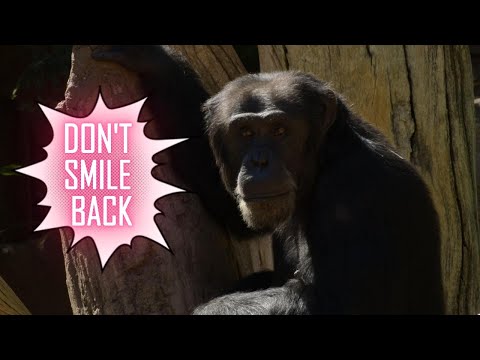
When you smile at a chimp, you might think you’re being nice. But chimps don’t see your grin the way people do.
What feels friendly to you could make a chimp feel nervous or even threatened. That’s a recipe for confusion and, sometimes, aggression.
How Chimps Perceive Human Smiles
If you show your teeth, chimps usually don’t see happiness. For them, baring teeth means fear or submission, not “let’s be friends.”
To a chimp, your smile could look like a “fear grimace” or even a challenge. It’s a strange mismatch.
Chimps use their teeth to show they’re worried or stressed. Your grin might accidentally tell them something’s off or that you feel uneasy.
That kind of misread can make chimps uncomfortable. Sometimes they get cautious, or just want to back away.
It’s better to keep your face relaxed and avoid showing your teeth. When you know how chimps read faces, you’re less likely to stress them out.
Risks of Miscommunication
If you smile at a chimp, you might send the wrong message. Instead of calming them, you could make them anxious or defensive.
You might look like you’re challenging the chimp. That can lead to loud noises, pounding, or other signs they’re upset.
Chimps just want to protect themselves or their group. If they feel uneasy, they might move away or even act aggressive.
Watch for signs like yawning or lip-smacking. If you notice these, it’s time to back off.
Chimpanzee Aggression Triggers
When you show your teeth, stare, or stand tall, chimps might think you’re trying to dominate. That’s not what you want.
Aggressive chimps bare their canine teeth, hoot, or make fast movements to warn you. If they feel trapped, they might even charge.
Stay calm, don’t stare, and give them space. That’s your safest bet.
Respect their signals and you’ll avoid most problems. Want more? Check out Should You Smile at a Chimp? Safety and Behavior Explained.
Understanding Chimpanzee Facial Expressions

Chimpanzee faces say a lot about what they’re feeling. They use their expressions to warn, play, or just check things out.
If you know what to look for, you can interact with chimps in a way that feels safer for everyone.
Differences Between Human and Chimpanzee Smiles
When you smile, you probably mean you’re happy or being friendly. Chimps? Not so much.
For them, baring teeth usually means fear or stress. If they show both top and bottom teeth, that’s a fear grimace—it looks like a grin, but it’s really not.
Chimps do show joy when they laugh or play, but their “smiles” don’t look like ours. They might open their mouths, but don’t always show teeth the same way.
So, if you smile at a chimp, they might just get nervous. Or worse, defensive.
Common Chimpanzee Facial Signals
You can spot a chimp’s mood if you watch their faces:
- Fear Grimace: Teeth showing, lips pulled back. This means they’re scared or submissive.
- Play Face: Mouth open, eyes relaxed. That’s an invite to play.
- Staring Intently: Strong eye contact usually means a challenge or aggression.
- Lip Pucker: Lips pushed out, tight. They’re curious or paying close attention.
These signals help chimps sort out friends from threats. It’s their way of keeping the group safe.
Interacting Safely with Chimps
If you ever meet a chimp, try to stay calm. Don’t smile or show your teeth.
Chimps can take direct eye contact as a challenge, so it’s smarter to look away. Move slowly and speak in a soft voice—loud noises might startle them.
Give chimps lots of space. Try not to crowd them or block their path; that just stresses them out.
If you notice yawning or lip-smacking, that’s your cue to back off a bit. It’s honestly better to be safe than sorry.
Chimps rely heavily on body language. Staying relaxed and respectful really makes a difference in how safe the encounter feels.
Curious why smiling isn’t a good idea? Check out why it’s best not to smile at a chimpanzee.


