
When your playful puppy bites, it can be tempting to react quickly. Many people wonder if tapping their puppy on the nose is a good way to correct this behavior. However, research shows that tapping a puppy on the nose is not an effective method and can even harm your relationship with them.
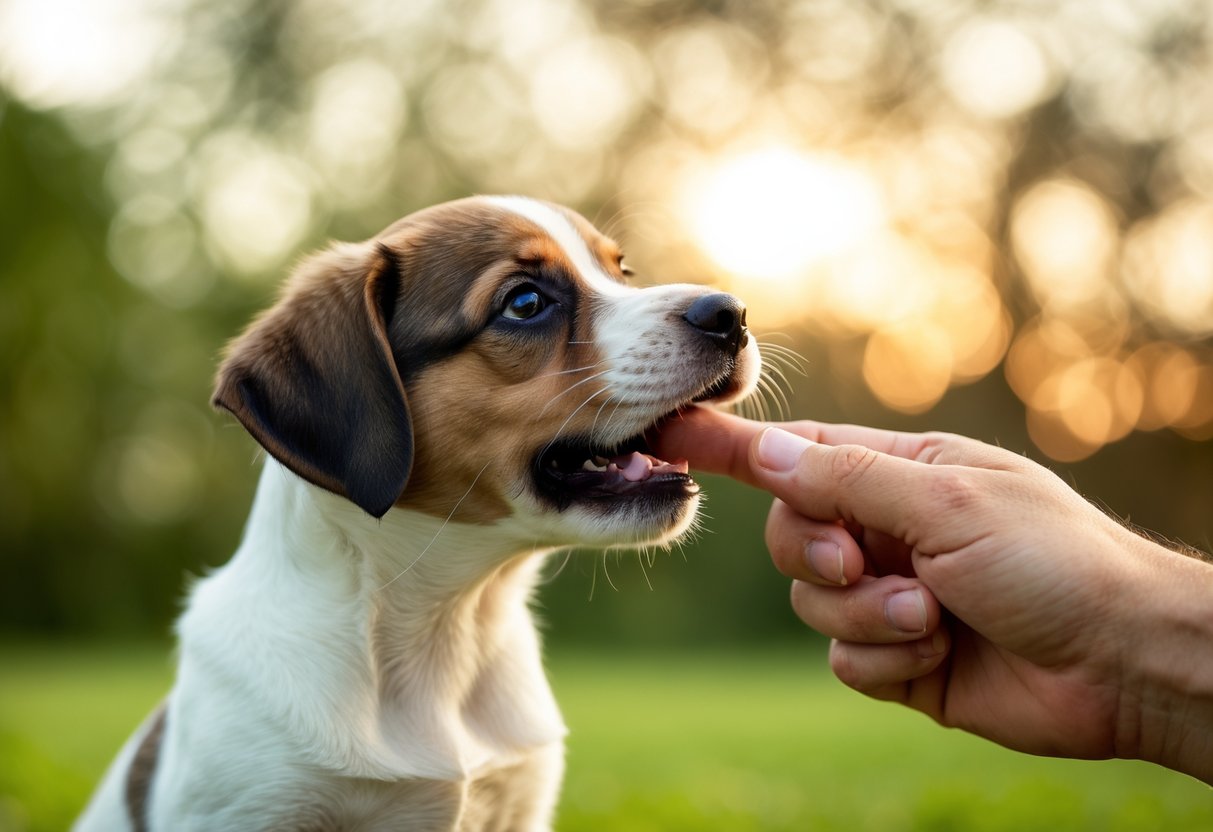
Instead of physical corrections, there are better ways to guide your puppy. Understanding your dog’s behavior and using positive reinforcement techniques can help them learn what is appropriate. This approach will strengthen your bond and encourage good behavior while keeping training fun and encouraging for your puppy.
In this article, we will explore why nose tapping is not the best choice and suggest alternative strategies to stop biting in a kind and effective way. You’ll discover how to teach your puppy without confusion or fear, ensuring a happier and more trusting relationship.
Understanding Puppy Biting

Puppies explore their world with their mouths, and biting is a normal part of their development. It’s important to understand the reasons behind their biting behavior and its different stages.
Stages of Teething and Mouthing
Puppies go through various stages of teething. They start mouthing around 3 weeks old, which helps them explore their environment. By 4 to 6 months, their baby teeth fall out, making way for adult teeth.
During this time, puppies often bite more. They may use their mouths to relieve discomfort from teething. Providing chew toys can help soothe their gums.
It’s essential to teach them that your hands and clothes are not toys. Redirecting their biting to appropriate toys can encourage good habits.
Puppy Play Biting vs. Nipping
Play biting is how puppies interact with their littermates, mimicking a more playful style of wrestling. This behavior is usually gentle and part of learning social skills. You’ll notice they take turns and use their mouths lightly.
Nipping, on the other hand, can be a sign of frustration or overstimulation. If your puppy bites too hard during play, it’s a signal that they need to learn control.
Using calm corrections like stopping play for a moment can help them understand what’s acceptable. By guiding their biting behavior, you can turn playtime into a positive experience for both of you.
Effective Puppy Training Techniques
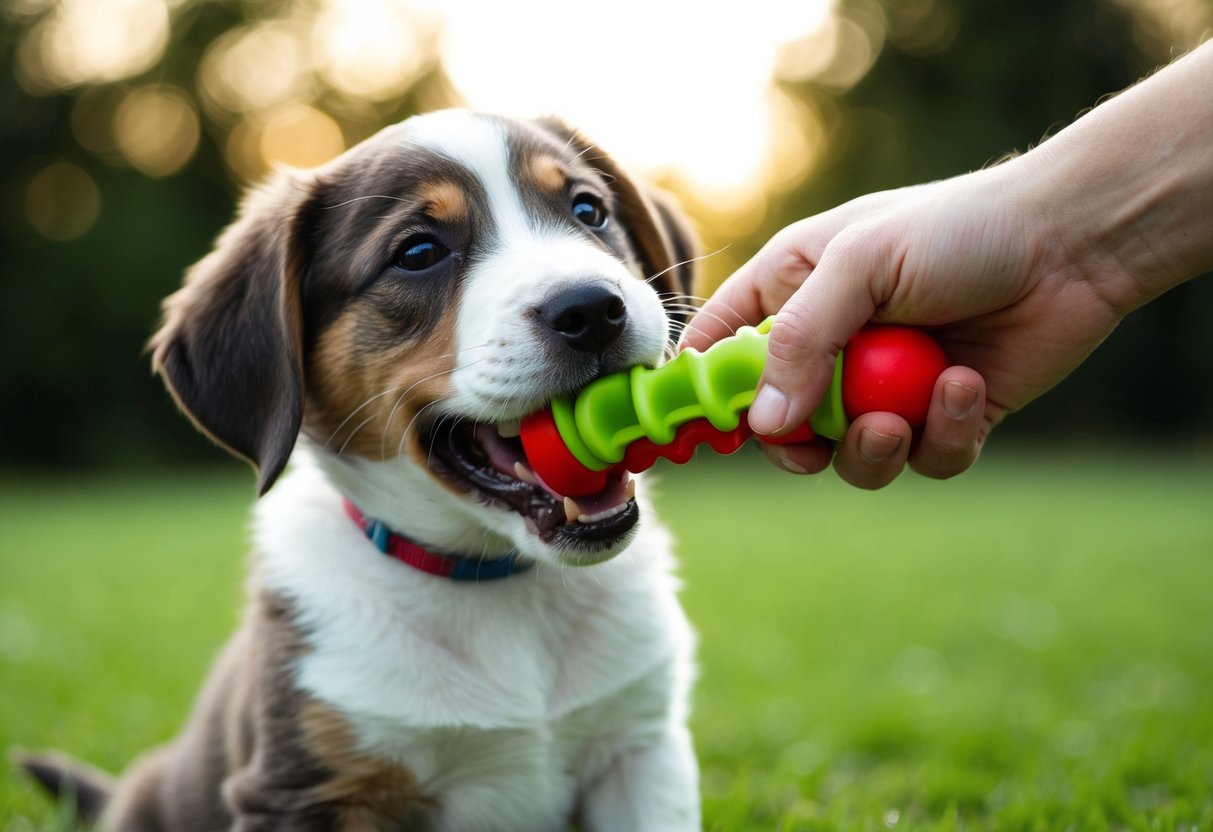
Training your puppy can be a rewarding experience. With the right techniques, you can teach your puppy to be gentle and well-mannered. Let’s explore effective methods to manage biting behavior, focusing on positive reinforcement, bite inhibition, and the proper use of time-outs.
Positive Reinforcement Basics
Positive reinforcement is a great way to encourage good behavior in your puppy. When your puppy does something right, like playing gently, reward them with treats, praise, or toys.
Create a list of rewards that your puppy loves. It can include:
- Treats: Small and soft treats work well.
- Toys: A favorite toy can be a motivator.
- Praise: Your voice can express joy and approval.
Using positive reinforcement teaches your puppy that good behavior leads to rewards. Always remember to reward immediately after the desired behavior. This timing helps your puppy connect the action with the reward, making learning fun and effective.
Implementing Bite Inhibition
Bite inhibition helps your puppy learn how to control their bite strength. To teach this, you can use simple methods.
When your puppy bites too hard, let out a quick yelp. This mimics how puppies react to each other. If they stop, praise them for being gentle.
You can also redirect their biting to appropriate items. Provide chew toys specifically for biting and practice these techniques regularly. Over time, your puppy will learn how to play without using their teeth harshly.
Appropriate Use of Time-outs
Time-outs can be a helpful tool for discipline. If your puppy continues to bite despite your efforts, consider a brief time-out.
When your puppy bites, calmly remove them from the play situation. Use a designated area like a crate or a quiet room for 1-3 minutes. This helps your puppy understand that biting leads to loss of playtime.
After the time-out, invite your puppy back to play. This reinforces that gentle behavior is welcomed, while biting results in a break. Keep it light and friendly; make sure your puppy feels safe and loved throughout the process.
Addressing Problematic Biting Behaviors
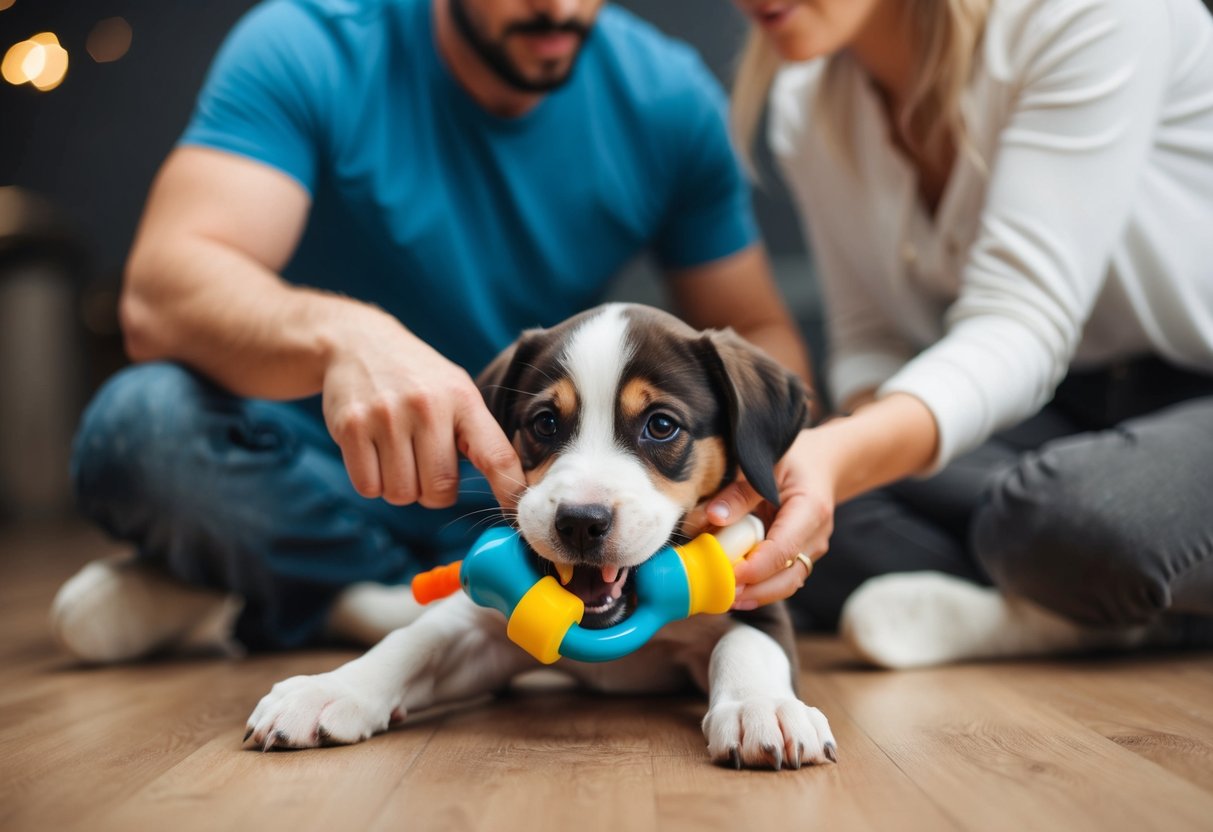
When your puppy bites, it’s important to understand the reasons behind it. Different approaches can help manage biting behaviors effectively. You can teach your puppy appropriate responses while keeping training positive and fun.
Dealing with Defensive Aggression
Some puppies bite out of fear or discomfort, which is known as defensive aggression. Recognizing the signs of this behavior is crucial. If your puppy growls, backs away, or shows other signs of stress, it’s important to give them space.
To address defensive biting, stay calm and avoid yelling. Instead, back off and let your puppy feel safe. If possible, avoid situations that may trigger fear.
Gradually expose your puppy to new experiences, rewarding them for calm behavior. Use treats or toys to create positive associations and build their confidence.
Redirecting Chewing Habits
Chewing is a natural behavior for puppies, but it can turn problematic when they bite your hands or clothing. To address this, provide your puppy with appropriate chew toys.
When your puppy starts to bite, gently redirect them towards their toys. Praise them when they chew on the right items to reinforce good behavior. Avoid physical punishment, such as tapping your puppy on the nose, as it can confuse them. Instead, use consistent discipline by ignoring unwanted behavior and rewarding positive actions.
The Impact of Physical Correction on Dogs

Using physical correction, like tapping your puppy on the nose, can have unintended negative effects. Understanding these consequences can help you choose better ways to guide your dog’s behavior.
Understanding Negative Effects
Tapping your puppy on the nose may cause more harm than good. Dogs see their noses as a sensitive area that is crucial for their sense of smell and communication.
Instead of correcting behavior, this action can trigger fear or anxiety. Your puppy might associate your touch with something negative. This fear can lead to more biting or aggression as a self-defense mechanism.
In some cases, your puppy may even give a high-pitched yelp, showing they are scared or in pain. This response can damage your bond, making training harder and less effective.
Alternatives to Tapping on the Nose
Instead of tapping, consider using positive reinforcement techniques. These encourage good behavior without fear.
For example, when your puppy plays gently, reward them with treats or praise.
Redirecting their attention works well too. When your puppy bites, offer them a chew toy instead. This gives them something acceptable to bite and helps teach boundaries.
Training sessions should be fun and engaging. Be consistent with commands and rewards to reinforce learning.
Enlisting the help of a professional trainer can also provide guidance tailored to your puppy’s needs.
By using these approaches, you build a trusting relationship and avoid the pitfalls of physical correction.


